
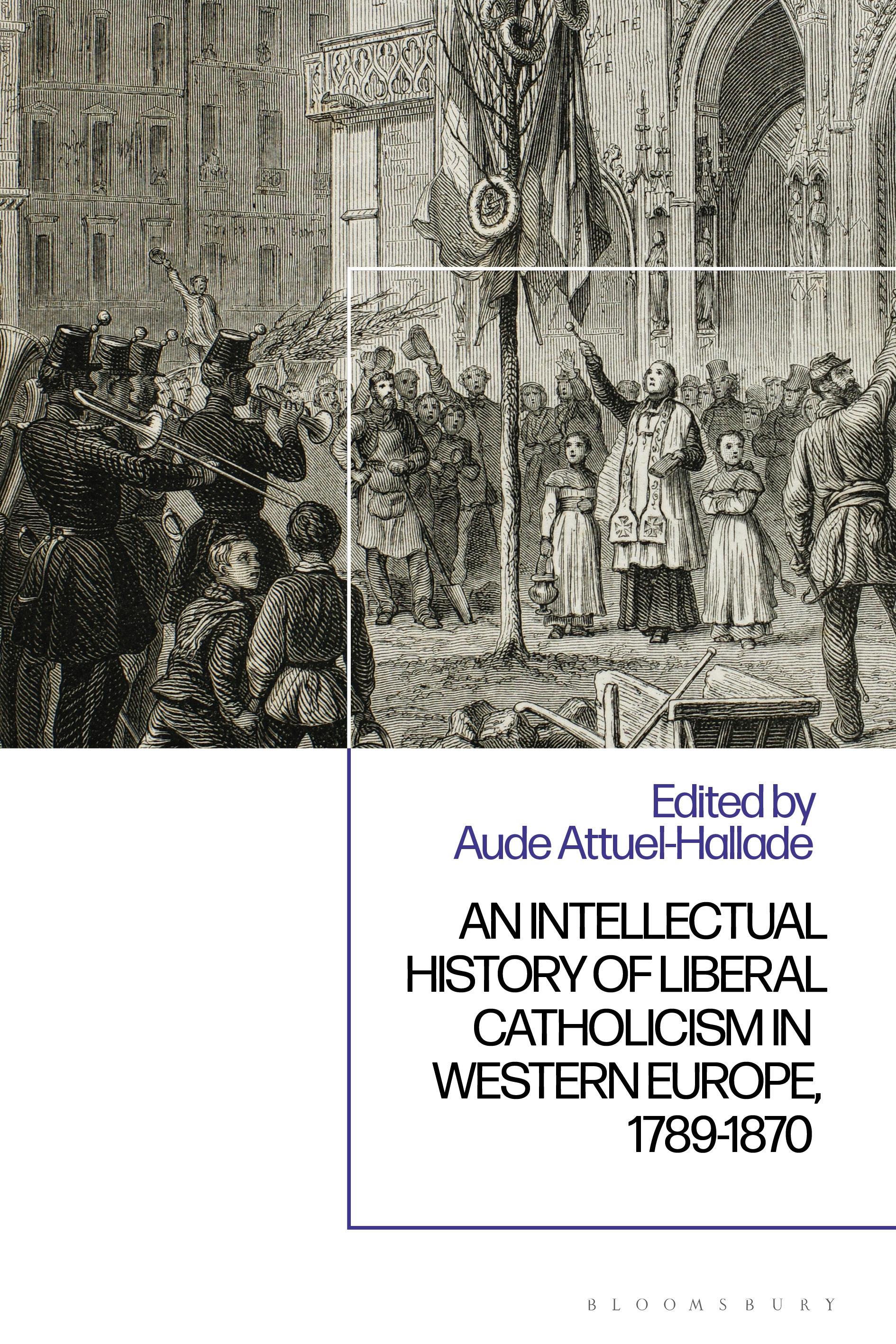
This volume probes and deciphers the tensions and contradictions that underlie modern European Liberal Catholicism. Beginning with the French revolution and looking at dialogues between European 'public moralists', the book discusses the ways in which liberal Catholics loosened their bonds with religion, all the while relying on it. It reflects on how and why they promoted a post-revolutionary state and society based on religious dogma and morality, and what new liberal order and socio-political and religious models they proposed.
Beyond the analysis of the work of these Catholic intellectuals, the question of their conceiving a specific liberal approach through Catholicism is also investigated. More generally, it prompts a vital reappraisal of the political, ideological and philosophical pressures that the religious question caused in the redefinition of Western European post-revolutionary liberalism.
Beyond the analysis of the work of these Catholic intellectuals, the question of their conceiving a specific liberal approach through Catholicism is also investigated. More generally, it prompts a vital reappraisal of the political, ideological and philosophical pressures that the religious question caused in the redefinition of Western European post-revolutionary liberalism.
Pay easily by card, Klarna, Apple Pay or Google Pay. Not happy? You always have a 14-day money-back guarantee. Read more in our terms. If you have any questions, email us at hello@memmo.org.
Memmo makes studying easier – wherever you are in the world. We bring your course books and smart study tools together in one place: summaries, quizzes, podcasts and flashcards. Plus Ted, your study buddy who answers anything you wonder. Over 50,000 students already study here – built to help you learn faster and stress less.