
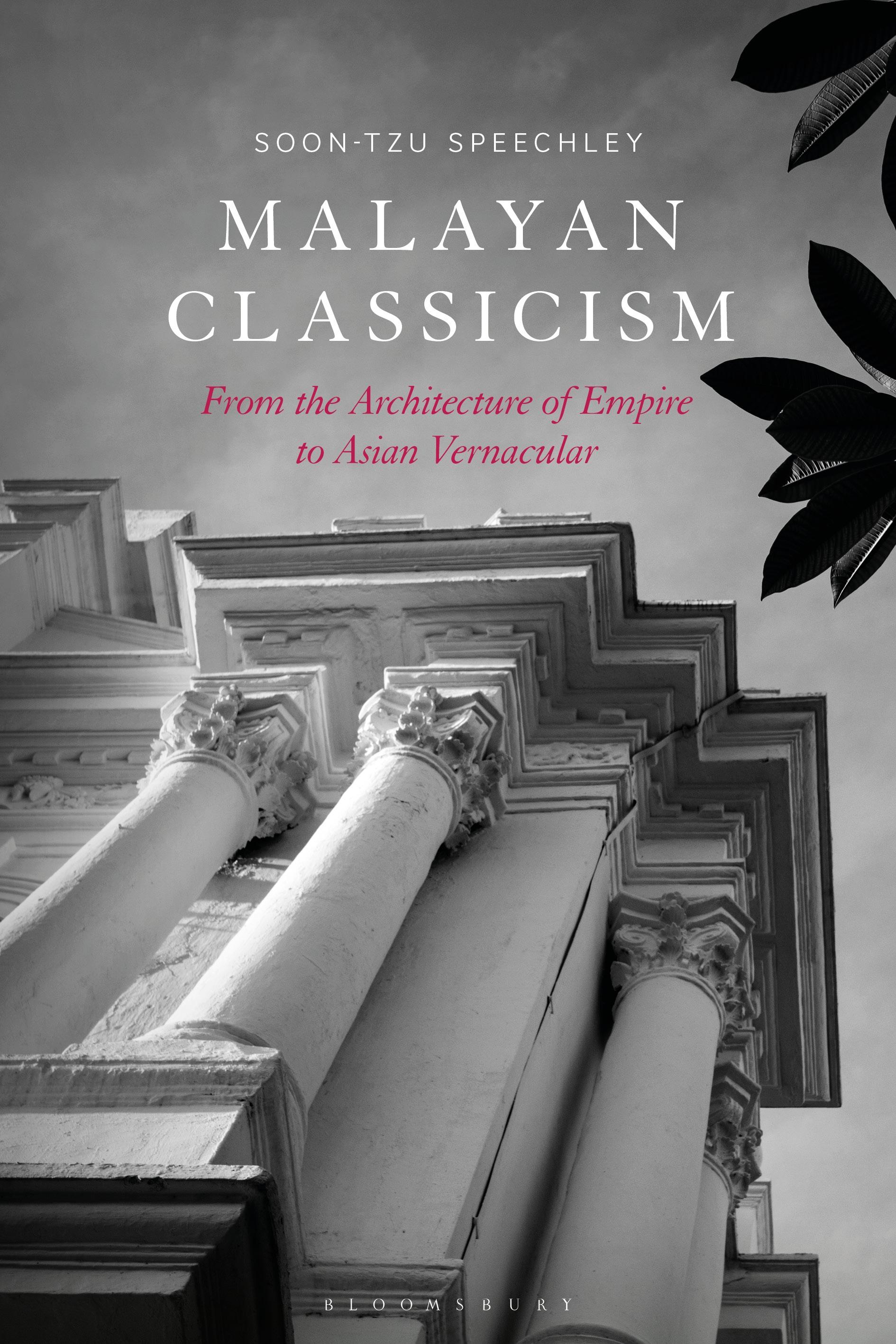
Through a broad range of case studies spanning from imperial monuments to rural residences, Malayan Classicism puts forward a fundamentally new understanding of classical architecture in the Asian colonial context.
Across Malaysia and Singapore, thousands of historic buildings are richly ornamented with motifs drawn from Ancient Greece and Rome - as plump volutes, lush acanthus leaves, and neat rows of dentils decorate mosques, palaces, government buildings and innumerable terraced shophouses. These classical details jostle with ideas drawn from other architectural traditions from across Asia in a style that is unique to the region.
Presenting the first comprehensive account of what was, prior to World War II, Malaya's most widespread architectural style, Malayan Classicism explores how the classical architecture of the British Empire was transmitted, translated, and transformed in the hands of local builders and architects. Addressing a critical gap in the scholarship, this book charts the metamorphosis of an imperial language of power into a local vernacular style, and provides a new way of reading classical architecture in a post-colonial context that will be applicable throughout the Global South.
Across Malaysia and Singapore, thousands of historic buildings are richly ornamented with motifs drawn from Ancient Greece and Rome - as plump volutes, lush acanthus leaves, and neat rows of dentils decorate mosques, palaces, government buildings and innumerable terraced shophouses. These classical details jostle with ideas drawn from other architectural traditions from across Asia in a style that is unique to the region.
Presenting the first comprehensive account of what was, prior to World War II, Malaya's most widespread architectural style, Malayan Classicism explores how the classical architecture of the British Empire was transmitted, translated, and transformed in the hands of local builders and architects. Addressing a critical gap in the scholarship, this book charts the metamorphosis of an imperial language of power into a local vernacular style, and provides a new way of reading classical architecture in a post-colonial context that will be applicable throughout the Global South.
Pay easily by card, Klarna, Apple Pay or Google Pay. Not happy? You always have a 14-day money-back guarantee. Read more in our terms. If you have any questions, email us at hello@memmo.org.
Memmo makes studying easier – wherever you are in the world. We bring your course books and smart study tools together in one place: summaries, quizzes, podcasts and flashcards. Plus Ted, your study buddy who answers anything you wonder. Over 75,000 students already study here – built to help you learn faster and stress less.