
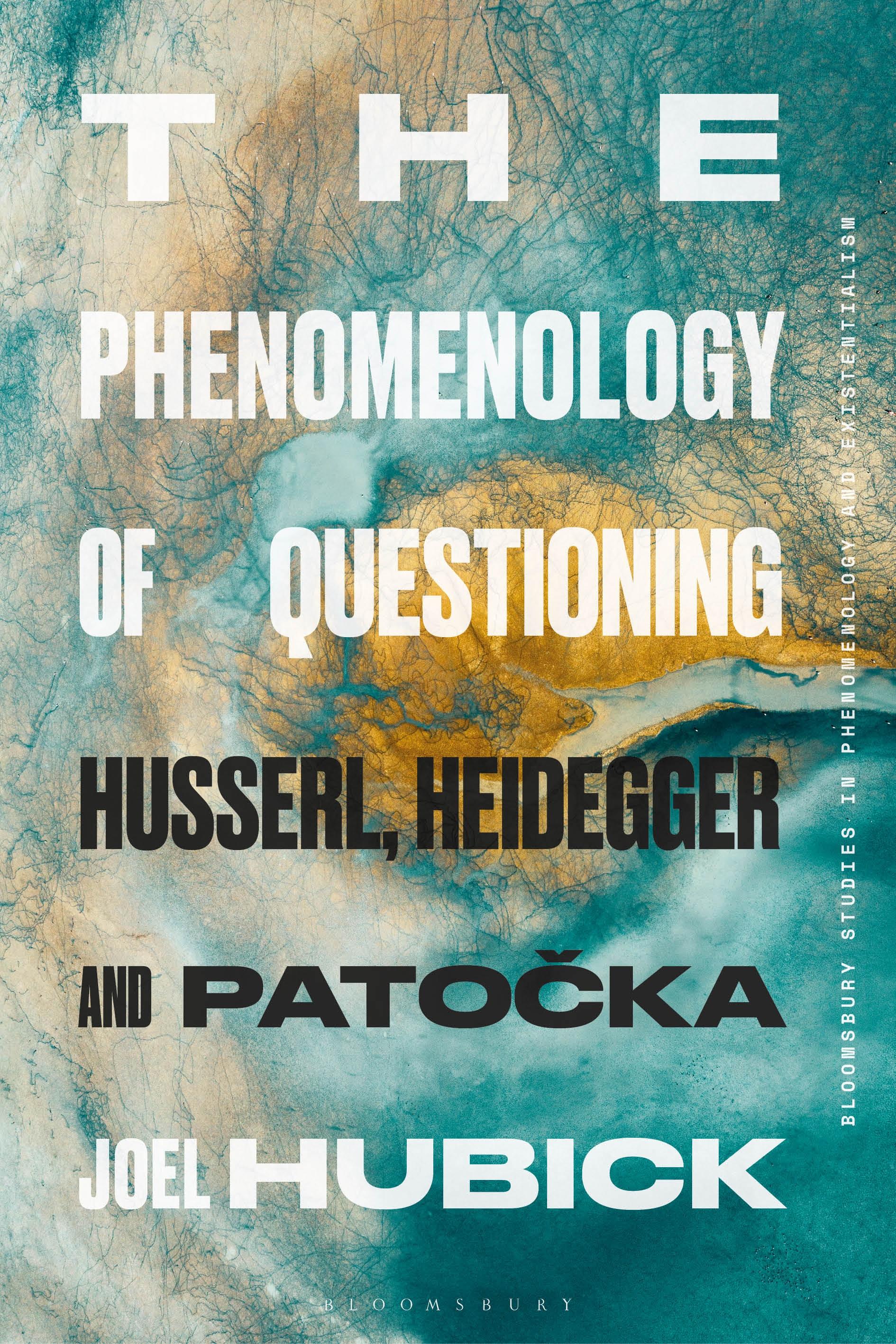
Bringing together Edmund Husserl, Martin Heidegger and Jan Patocka, this book provides a comprehensive examination of the central role that questioning plays in phenomenology. Joel Hubick not only offers a phenomenological analysis of the activity of asking questions, but further traces the development of this form of questioning in the early stages of the phenomenology movement.
Starting with Husserl's motto 'to the matters themselves', Hubick examines how the phenomenological method utilizes questioning as a means to both return to and to preserve the phenomena in order to re-experience them anew. He then demonstrates how Heidegger takes up Husserl's phenomenology as presented in the Logical Investigations and, in doing so, develops phenomenology into a philosophy of possibility, one that seeks in equal measure to preserve questions while also answering them. Continuing this questioning philosophy, this volume showcases how Patocka explicitly advances what had remained implicit in both Husserl and Heidegger's works; namely, phenomenology understood as a set of questions - from 'what is history?' to 'who am I?' - all of which elicit original experiences for future generations of thinkers.
With a close focus on the primary material of these three fundamental figures, The Phenomenology of Questioning affords a crucial insight into the history of phenomenological reasoning, as well as a reminder to today's phenomenologists to continue asking questions.
Starting with Husserl's motto 'to the matters themselves', Hubick examines how the phenomenological method utilizes questioning as a means to both return to and to preserve the phenomena in order to re-experience them anew. He then demonstrates how Heidegger takes up Husserl's phenomenology as presented in the Logical Investigations and, in doing so, develops phenomenology into a philosophy of possibility, one that seeks in equal measure to preserve questions while also answering them. Continuing this questioning philosophy, this volume showcases how Patocka explicitly advances what had remained implicit in both Husserl and Heidegger's works; namely, phenomenology understood as a set of questions - from 'what is history?' to 'who am I?' - all of which elicit original experiences for future generations of thinkers.
With a close focus on the primary material of these three fundamental figures, The Phenomenology of Questioning affords a crucial insight into the history of phenomenological reasoning, as well as a reminder to today's phenomenologists to continue asking questions.
Pay easily by card, Klarna, Apple Pay or Google Pay. Not happy? You always have a 14-day money-back guarantee. Read more in our terms. If you have any questions, email us at hello@memmo.org.
Memmo makes studying easier – wherever you are in the world. We bring your course books and smart study tools together in one place: summaries, quizzes, podcasts and flashcards. Plus Ted, your study buddy who answers anything you wonder. Over 50,000 students already study here – built to help you learn faster and stress less.