
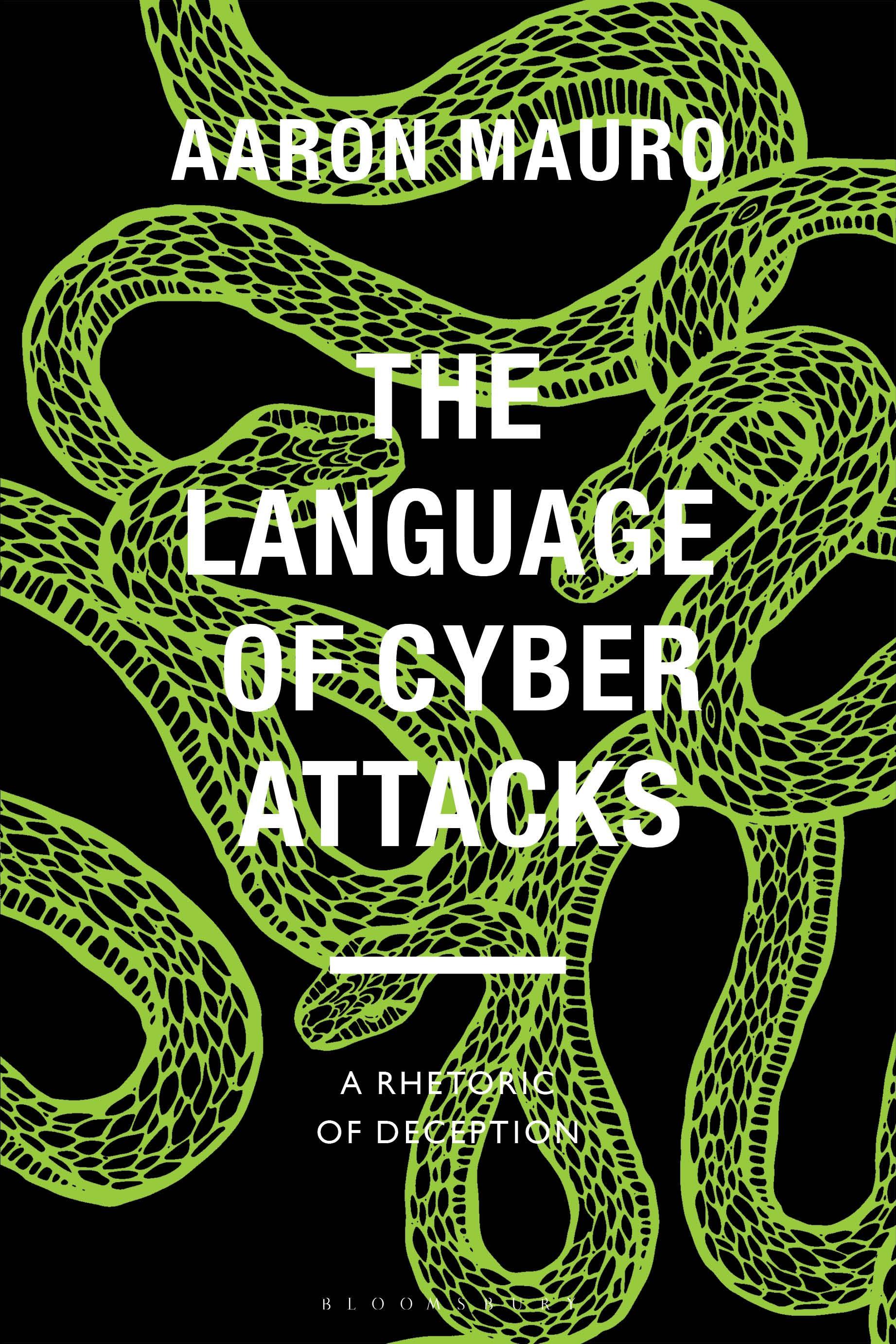
Many cyberattacks begin with a lure: a seemingly innocent message designed to establish trust with a target to obtain sensitive information or compromise a computer system. The perils of clicking an unknown link or divulging sensitive information via email are well-known, so why do we continue to fall prey to these malicious messages? This groundbreaking book examines the rhetoric of deception through the lure, asking where its all-too-human allure comes from and suggesting ways in which we can protect ourselves online.
Examining practices and tools such as phishing, ransomware and clickbait, this book uses case studies of notorious cyberattacks by both cyber criminals and nation-states on organizations such Facebook, Google, and the US Department of Defence, and in-depth, computational analyses of the messages themselves to unpack the rhetoric of cyberattacks. In doing so, it helps us to understand the small but crucial moments of indecision that pervade one of the most common forms of written communication.
Examining practices and tools such as phishing, ransomware and clickbait, this book uses case studies of notorious cyberattacks by both cyber criminals and nation-states on organizations such Facebook, Google, and the US Department of Defence, and in-depth, computational analyses of the messages themselves to unpack the rhetoric of cyberattacks. In doing so, it helps us to understand the small but crucial moments of indecision that pervade one of the most common forms of written communication.
Pay easily by card, Klarna, Apple Pay or Google Pay. Not happy? You always have a 14-day money-back guarantee. Read more in our terms. If you have any questions, email us at hello@memmo.org.
Memmo makes studying easier – wherever you are in the world. We bring your course books and smart study tools together in one place: summaries, quizzes, podcasts and flashcards. Plus Ted, your study buddy who answers anything you wonder. Over 75,000 students already study here – built to help you learn faster and stress less.