
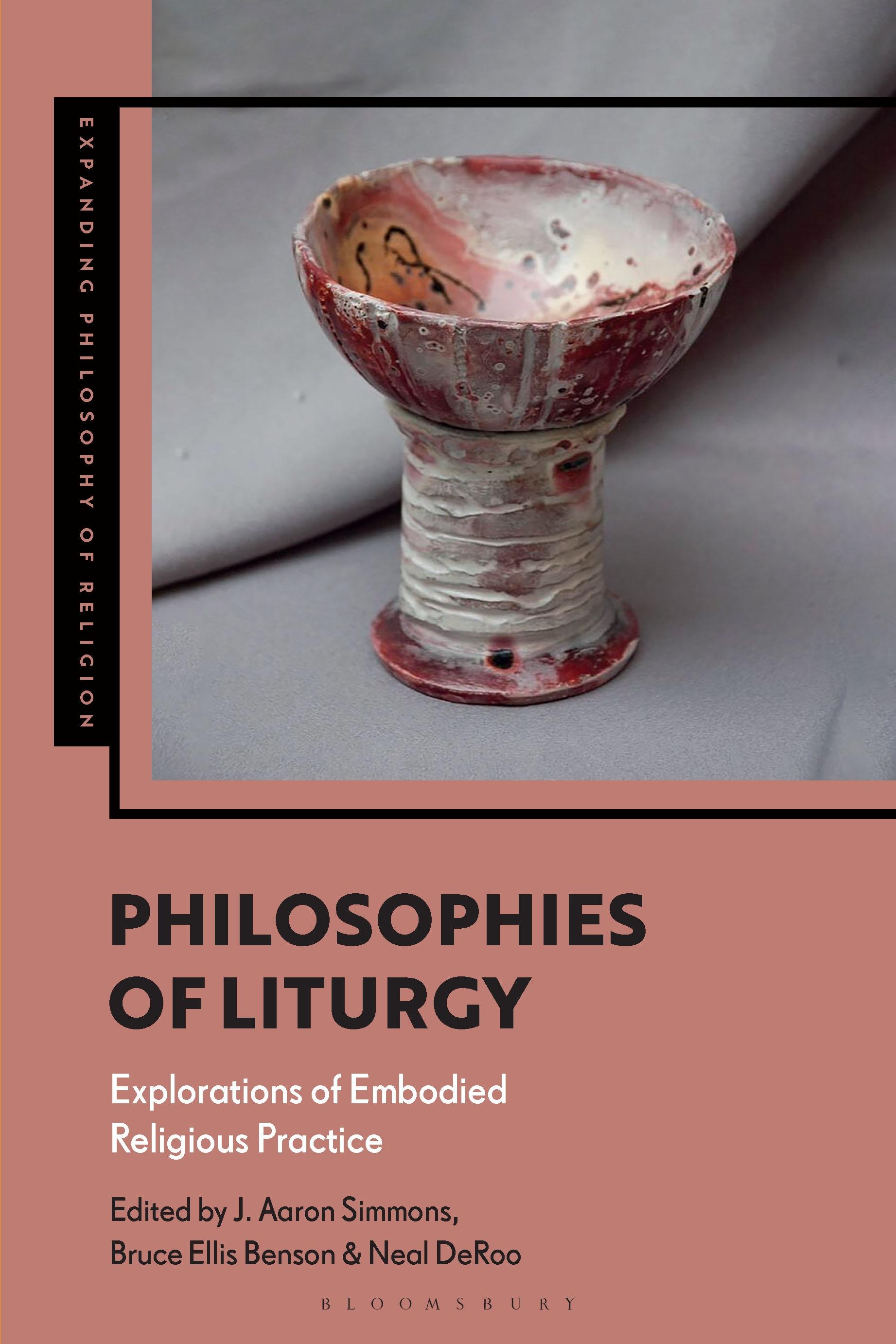
Mainstream philosophy of religion has primarily focused on the truth and justification of religious beliefs even though belief is only one small facet of religious life. This collection remedies this by taking practice and embodied action seriously as fundamental elements of any philosophy of religion.
Emerging and established voices across different philosophical traditions come together to consider religious actions, including public worship, from perspectives such as trauma and social ontology, sound and silence, and knowledge and hope. Embodied religious practice is viewed through the lens of liturgy, intrinsically connecting religious rituals to human existence to show clearly that, no matter where one finds oneself in terms of the so-called 'analytic-continental' divide, philosophy of religion must be concerned with more than just beliefs if it is to adequately deal with the subject matter of 'religion.'
The purpose of these studies is not to reject what has gone before but to expand the focus of philosophy of religion. This approach lays the groundwork for investigations into how beliefs are situated in our theological, moral, and social frameworks. For any philosophy of religion student or scholar interested in how thinking and living well are intimately related, this is a go-to resource. It takes seriously the importance of historical religious traditions and communities, opening the space for cross-cultural and interdisciplinary debates.
Emerging and established voices across different philosophical traditions come together to consider religious actions, including public worship, from perspectives such as trauma and social ontology, sound and silence, and knowledge and hope. Embodied religious practice is viewed through the lens of liturgy, intrinsically connecting religious rituals to human existence to show clearly that, no matter where one finds oneself in terms of the so-called 'analytic-continental' divide, philosophy of religion must be concerned with more than just beliefs if it is to adequately deal with the subject matter of 'religion.'
The purpose of these studies is not to reject what has gone before but to expand the focus of philosophy of religion. This approach lays the groundwork for investigations into how beliefs are situated in our theological, moral, and social frameworks. For any philosophy of religion student or scholar interested in how thinking and living well are intimately related, this is a go-to resource. It takes seriously the importance of historical religious traditions and communities, opening the space for cross-cultural and interdisciplinary debates.
Pay easily by card, Klarna, Apple Pay or Google Pay. Not happy? You always have a 14-day money-back guarantee. Read more in our terms. If you have any questions, email us at hello@memmo.org.
Memmo makes studying easier – wherever you are in the world. We bring your course books and smart study tools together in one place: summaries, quizzes, podcasts and flashcards. Plus Ted, your study buddy who answers anything you wonder. Over 50,000 students already study here – built to help you learn faster and stress less.