
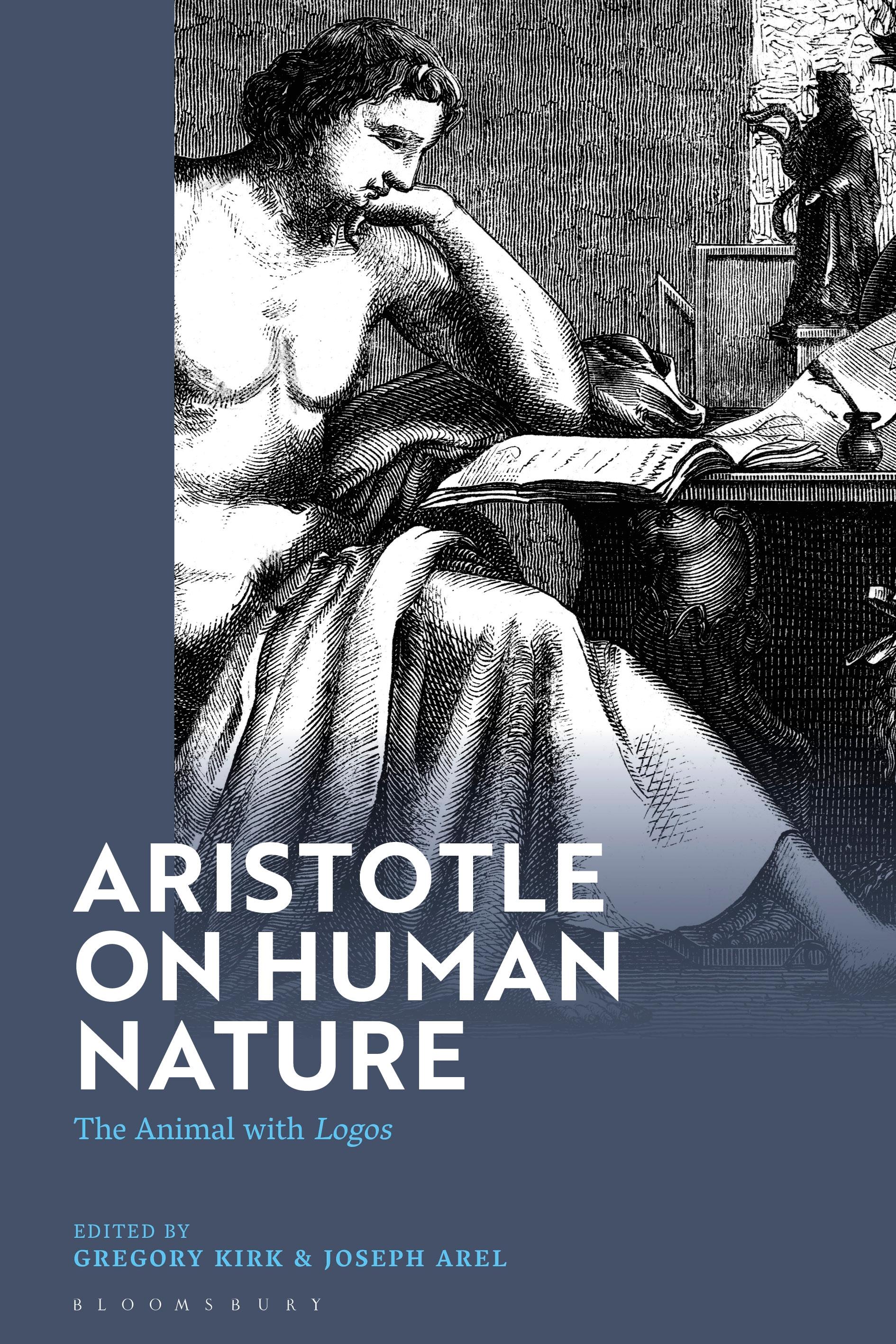
Exploring Aristotle's concept of logos, this volume advances our understanding of it as a singular feature of human nature by arguing that it is the organizing principle of human life itself.
Tracing its multiple meanings in different contexts, including reason, logic, speech, ratio, account, and form, contributors highlight the ways in which we can see logos in human thinking, in the organizing principles of our bodies, in our perception of the world, in our social and political life, and through our productive and fine arts. Through this focus, logos reveals itself not as one feature amongst others, but instead as the feature that organizes all others, from the most “animal” to the most “spiritual.” By presenting logos in this way, readers gain a complex account of the philosophy of human nature.
Tracing its multiple meanings in different contexts, including reason, logic, speech, ratio, account, and form, contributors highlight the ways in which we can see logos in human thinking, in the organizing principles of our bodies, in our perception of the world, in our social and political life, and through our productive and fine arts. Through this focus, logos reveals itself not as one feature amongst others, but instead as the feature that organizes all others, from the most “animal” to the most “spiritual.” By presenting logos in this way, readers gain a complex account of the philosophy of human nature.
Pay easily by card, Klarna, Apple Pay or Google Pay. Not happy? You always have a 14-day money-back guarantee. Read more in our terms. If you have any questions, email us at hello@memmo.org.
Memmo makes studying easier – wherever you are in the world. We bring your course books and smart study tools together in one place: summaries, quizzes, podcasts and flashcards. Plus Ted, your study buddy who answers anything you wonder. Over 50,000 students already study here – built to help you learn faster and stress less.