
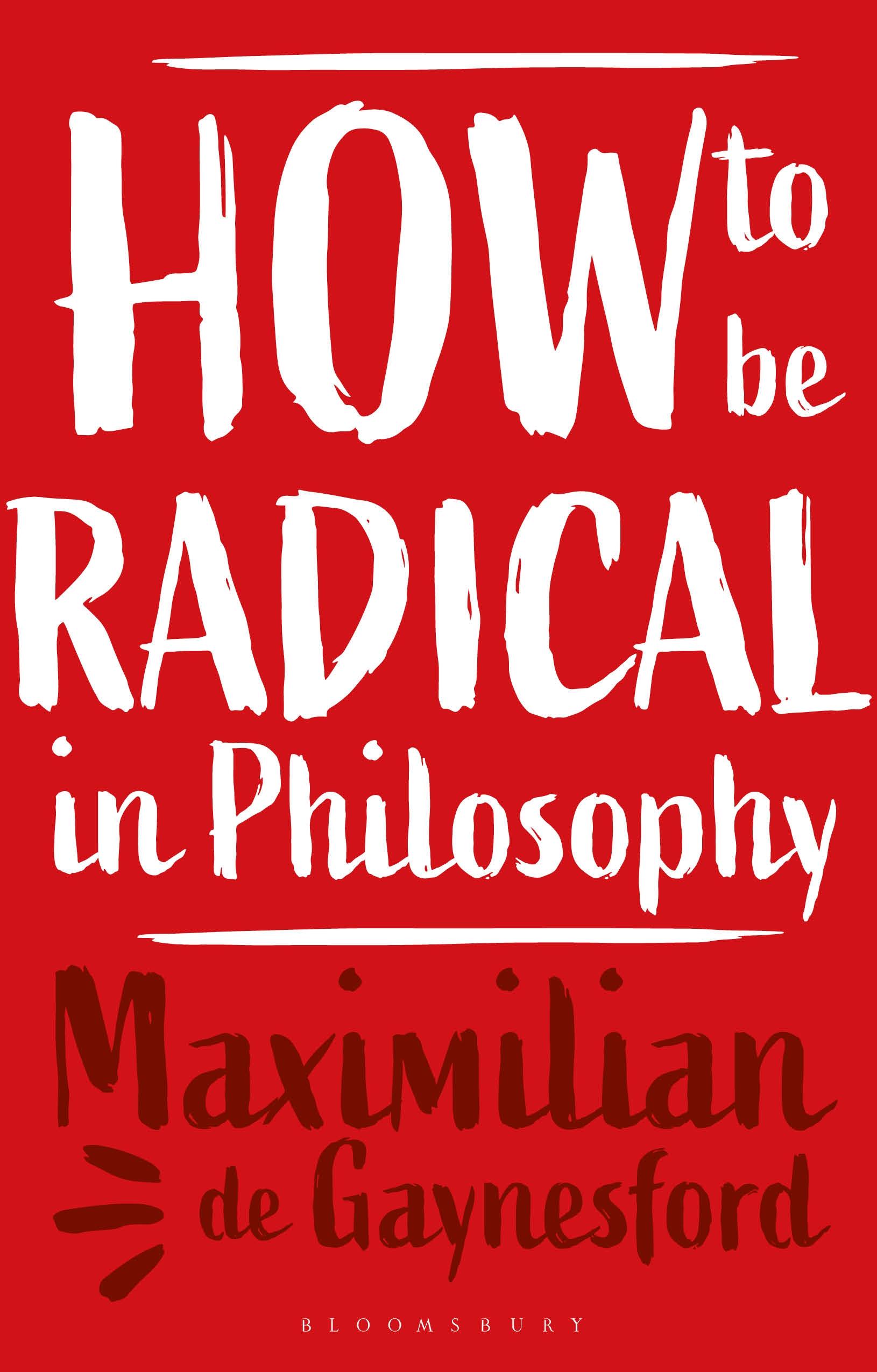
Radicality is at the very heart of philosophy. Sustaining this lifeblood of progressive thinking means refashioning philosophy constantly. It means engaging with the fundamental issues of living, working, thinking and dying. Otherwise, philosophy loses touch with what matters and dies away itself. This book presents five very different ways philosophy can stay radically engaged: by taking its stand on reason (like Descartes), experience (like Locke), action (like Marx), analysis (like Adorno) or self-criticism (like Heidegger). The result is a much-needed guide for philosophers of all levels of experience, helping to identify the best ways to be, and continue to be, radical.
These five ways of being radical are united by their extraordinarily audacious approach to seeking out the roots of things and in engaging in issues that matter to everyone. What can we know for certain? What is our nature? What do we need to live a genuinely human existence? As the book proceeds, another more disturbing connection stands out: each path starts by identifying something disastrously wrong with previous ways of doing philosophy, and thus heads out in a completely different direction, but each ends up in the very same confusion that it tried to escape.
Maximilian de Gaynesford explores this paradox: philosophy must be radical to be relevant and connected, but radicalism threatens to undermine philosophy, critically engaging with positions and arguments on both sides.
The book invites the reader on a fascinating journey, straightens out the labyrinths of modern philosophy and sheds light on this Covid / post-Trump age, where the stimulus to philosophize remains more alive and active than ever.
These five ways of being radical are united by their extraordinarily audacious approach to seeking out the roots of things and in engaging in issues that matter to everyone. What can we know for certain? What is our nature? What do we need to live a genuinely human existence? As the book proceeds, another more disturbing connection stands out: each path starts by identifying something disastrously wrong with previous ways of doing philosophy, and thus heads out in a completely different direction, but each ends up in the very same confusion that it tried to escape.
Maximilian de Gaynesford explores this paradox: philosophy must be radical to be relevant and connected, but radicalism threatens to undermine philosophy, critically engaging with positions and arguments on both sides.
The book invites the reader on a fascinating journey, straightens out the labyrinths of modern philosophy and sheds light on this Covid / post-Trump age, where the stimulus to philosophize remains more alive and active than ever.
Pay easily by card, Klarna, Apple Pay or Google Pay. Not happy? You always have a 14-day money-back guarantee. Read more in our terms. If you have any questions, email us at hello@memmo.org.
Memmo makes studying easier – wherever you are in the world. We bring your course books and smart study tools together in one place: summaries, quizzes, podcasts and flashcards. Plus Ted, your study buddy who answers anything you wonder. Over 50,000 students already study here – built to help you learn faster and stress less.