
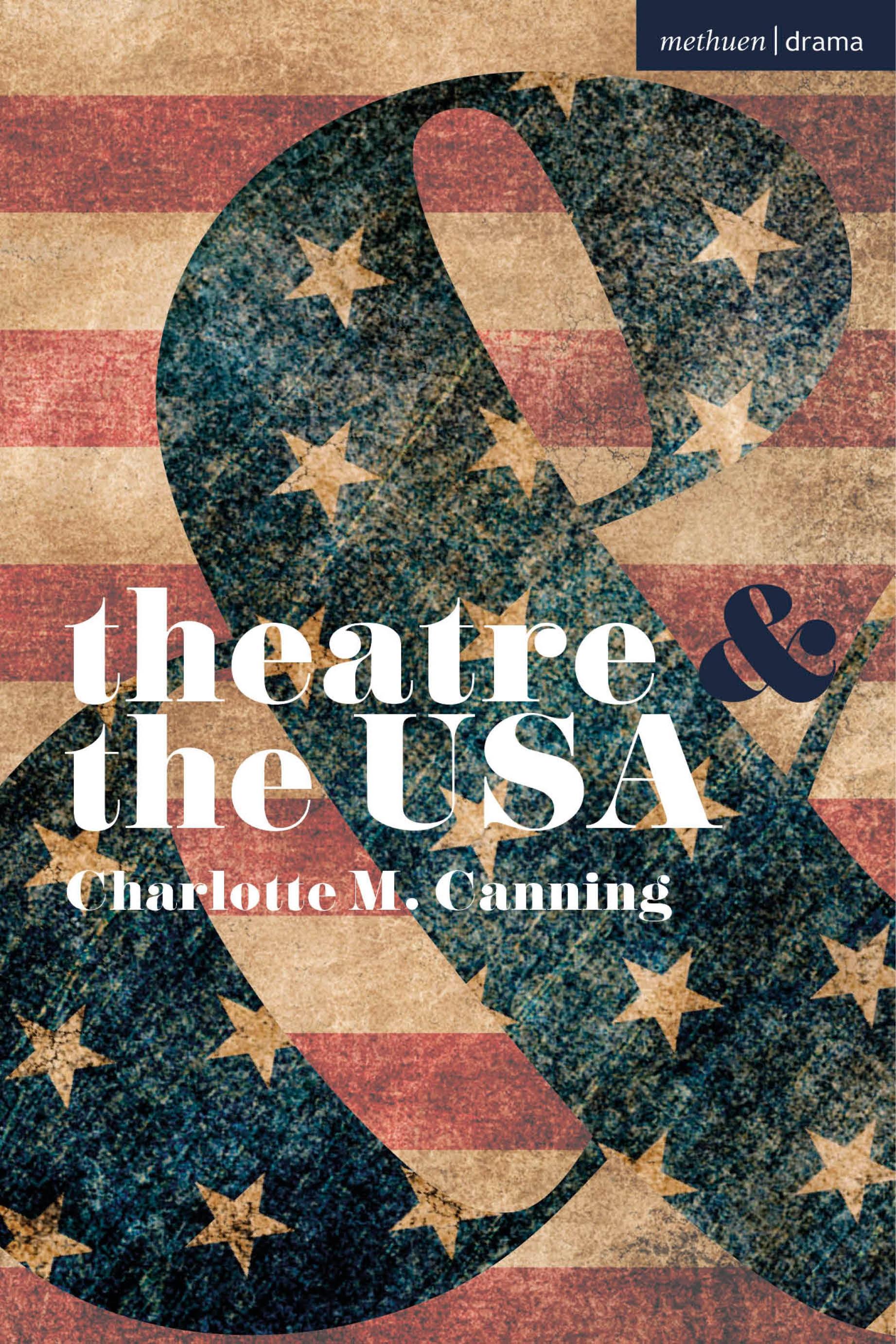
How is the individual and the 'nation' constructed and promoted in American theatre? How does theatre enable a nation to invent and reinvent itself? Who are the 'people' in 'We the People'?
This brief study examines the intersection of the USA's sense of self with its theatre, revealing how the two have an entangled history and a shared identity.
Through case studies of six canonical plays and musicals, such as Uncle Tom's Cabin (1852), Oklahoma! (1943), Angels in America (1991), and Hamilton (2015), Theatre and the USA demonstrates how all six of these plays sparked controversy, spoke to their moment, and became canonical texts, arguing that that the histories of these plays are the history of the USA's theatrical infrastructure.
This brief study examines the intersection of the USA's sense of self with its theatre, revealing how the two have an entangled history and a shared identity.
Through case studies of six canonical plays and musicals, such as Uncle Tom's Cabin (1852), Oklahoma! (1943), Angels in America (1991), and Hamilton (2015), Theatre and the USA demonstrates how all six of these plays sparked controversy, spoke to their moment, and became canonical texts, arguing that that the histories of these plays are the history of the USA's theatrical infrastructure.
Pay easily by card, Klarna, Apple Pay or Google Pay. Not happy? You always have a 14-day money-back guarantee. Read more in our terms. If you have any questions, email us at hello@memmo.org.
Memmo makes studying easier – wherever you are in the world. We bring your course books and smart study tools together in one place: summaries, quizzes, podcasts and flashcards. Plus Ted, your study buddy who answers anything you wonder. Over 75,000 students already study here – built to help you learn faster and stress less.