
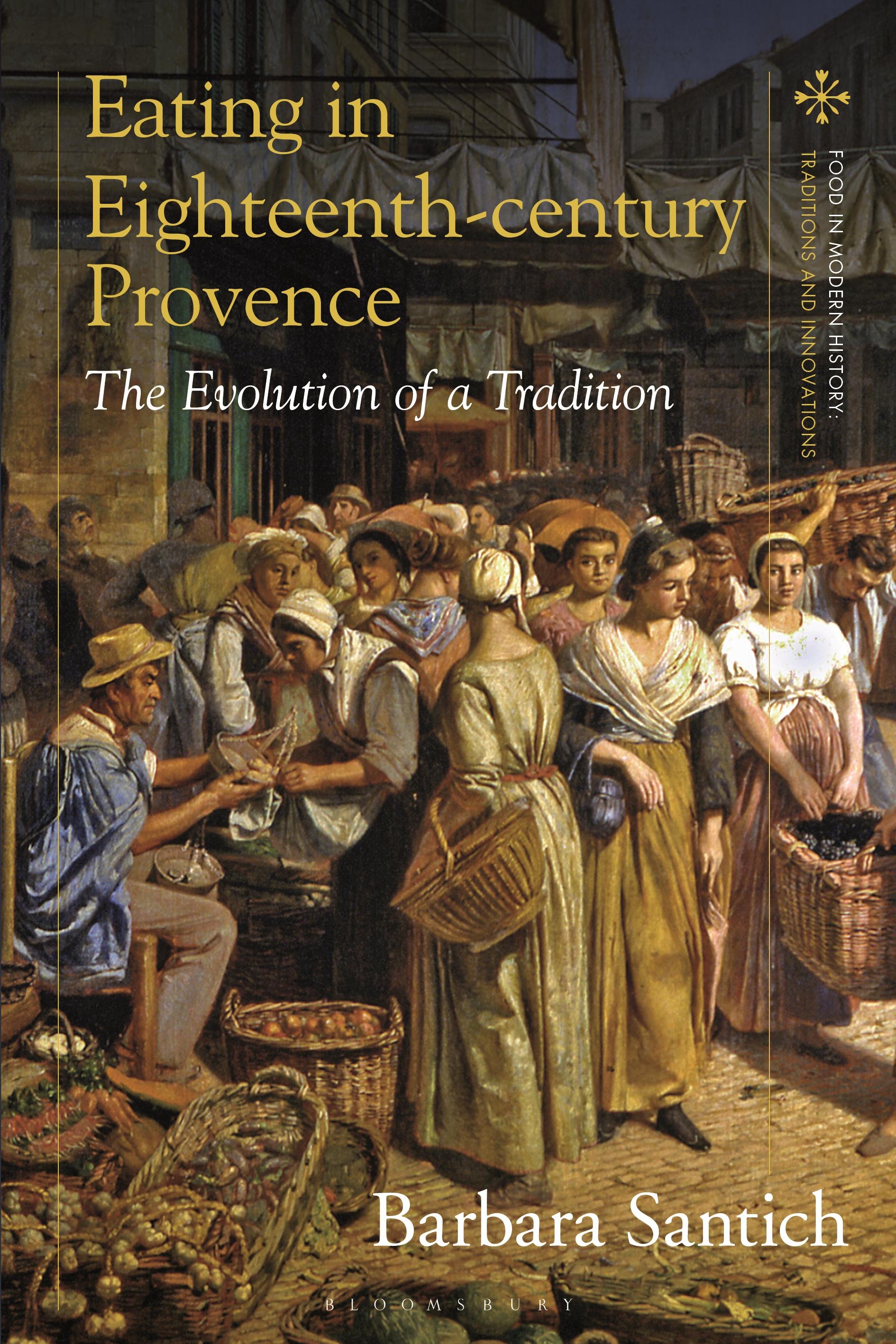
'We have two cuisines in France, that of the north and that of the south', boldly stated the first cookbook directly concerned with southern French cuisine in 1830. This book investigates the reasons for and background to these differences, specifically in Provence. In the absence of cookbooks for the region in the 18th century, it uses innovative methodologies relying on a range of hitherto unexplored primary resources, ranging from household accounts and manuscript recipes to local newspapers and gardening manuals that focus on the actuality of the 18th century Provençal table.
The sources emphasise the essentially seasonal and local nature of eating in Provence at this time. In many ways eating habits echoed generalised French patterns, according to class, but at the same time the use of particular foods and culinary practices testified to a distinctive Provençal food culture, partly related to geographic and climatic differences but also to cultural influences. This food culture represented the foundation for the Provençal cuisine which was recognised and codified in the early 19th century.
From a diverse archive of documents has emerged new evidence for the cultivation and consumption of potatoes and tomatoes in Provence and for the origins and evolution of emblematic dishes such as bourride, bouillabaisse and brandade. In linking the coming-of-age of Provençal cuisine to post-Revolutionary culture, in particular the success of restaurants and the flourishing of gastronomic discourse, this book offers a new understanding of the development and evolution of regional cuisines.
The sources emphasise the essentially seasonal and local nature of eating in Provence at this time. In many ways eating habits echoed generalised French patterns, according to class, but at the same time the use of particular foods and culinary practices testified to a distinctive Provençal food culture, partly related to geographic and climatic differences but also to cultural influences. This food culture represented the foundation for the Provençal cuisine which was recognised and codified in the early 19th century.
From a diverse archive of documents has emerged new evidence for the cultivation and consumption of potatoes and tomatoes in Provence and for the origins and evolution of emblematic dishes such as bourride, bouillabaisse and brandade. In linking the coming-of-age of Provençal cuisine to post-Revolutionary culture, in particular the success of restaurants and the flourishing of gastronomic discourse, this book offers a new understanding of the development and evolution of regional cuisines.
Pay easily by card, Klarna, Apple Pay or Google Pay. Not happy? You always have a 14-day money-back guarantee. Read more in our terms. If you have any questions, email us at hello@memmo.org.
Memmo makes studying easier – wherever you are in the world. We bring your course books and smart study tools together in one place: summaries, quizzes, podcasts and flashcards. Plus Ted, your study buddy who answers anything you wonder. Over 50,000 students already study here – built to help you learn faster and stress less.