
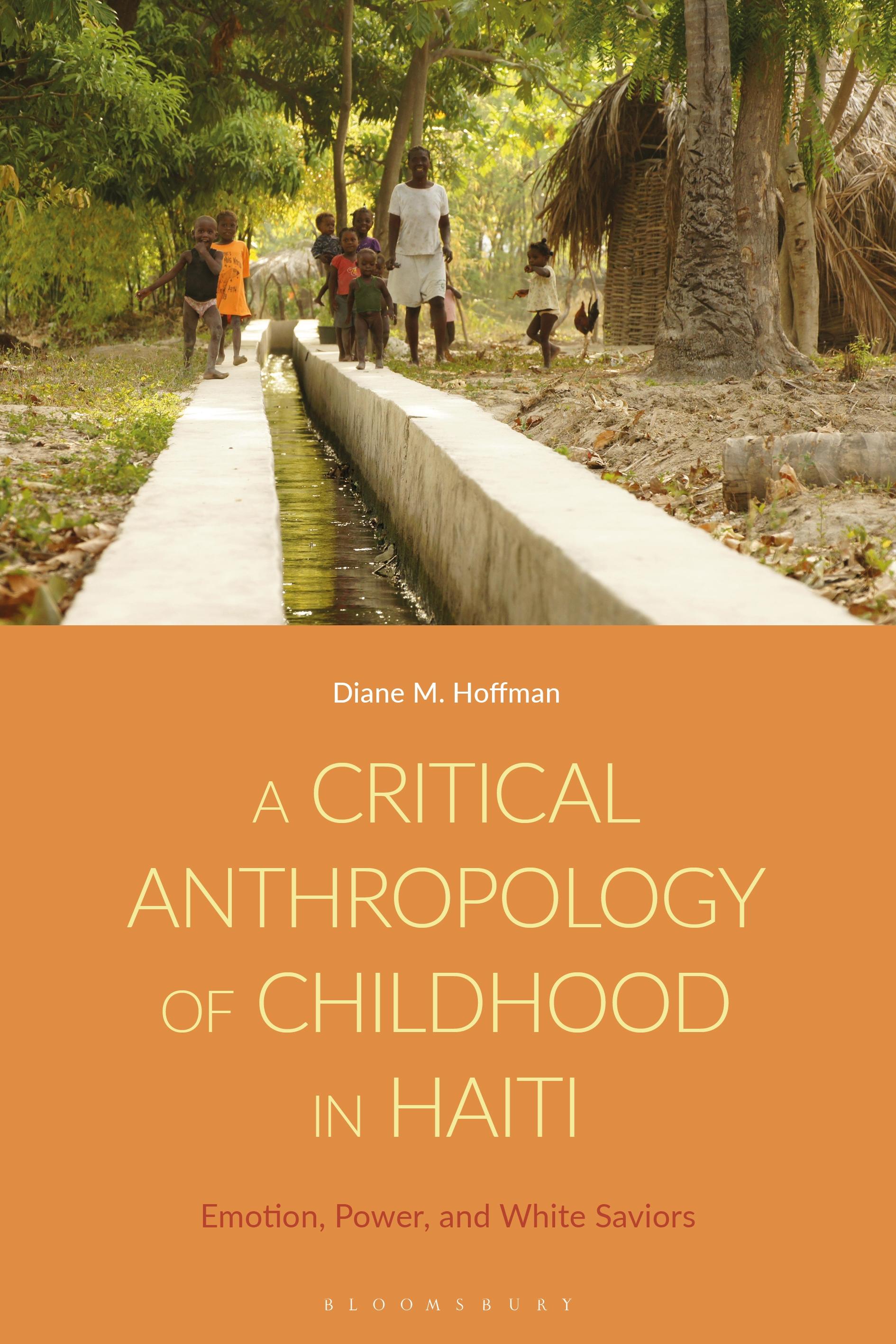
This book offers a critical anthropological perspective on contemporary childhood in Haiti. It is based on longitudinal ethnographic fieldwork carried out over a period of 13 years with vulnerable children in Haiti. Diane M. Hoffman raises important questions about how interventions by well-meaning foreigners and 'white saviors' often misrepresent Haitian culture and society as deficient, while privileging their own emotions alongside supposedly universal ideas about children that reinforce their own power to define and intervene in Haitian lives. She argues for a new approach to Haitian childhood that centers children's informal learning and self-education alongside indigenous spirituality and constructions of personhood that can resist the hegemony of neo-colonial and neo-liberal forces. Instead of representing the country and its children as a place of "problems to be solved," the book shows the importance prioritizing aspects of Haitian world-views in order to develop a more culturally-informed understanding of childhood in Haiti that can support genuine social change.
Pay easily by card, Klarna, Apple Pay or Google Pay. Not happy? You always have a 14-day money-back guarantee. Read more in our terms. If you have any questions, email us at hello@memmo.org.
Memmo makes studying easier – wherever you are in the world. We bring your course books and smart study tools together in one place: summaries, quizzes, podcasts and flashcards. Plus Ted, your study buddy who answers anything you wonder. Over 50,000 students already study here – built to help you learn faster and stress less.