
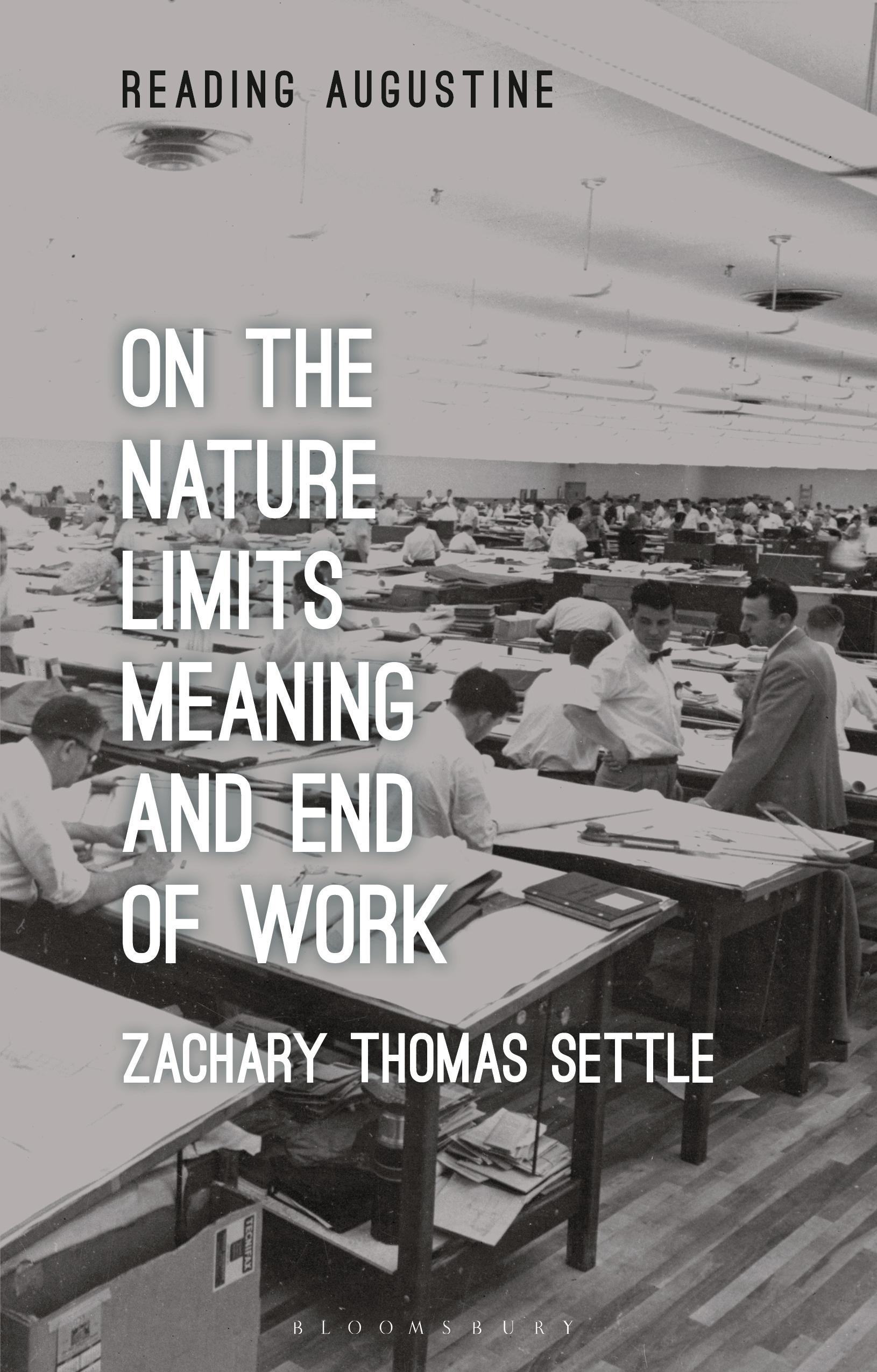
Articulating an Augustinian treatment of the nature, limits, meaning, and end of work, this volume will push Augustinian studies toward a more-detailed engagement with issues of political economy.
Zachary Settle argues that we inhabit a culture that insists that our life's meaning is bound up in our work; we experience constant pressures at work to be more efficient and productive; and we know the ways in which our work-structures contribute to a seemingly ever-growing, corrosive system of poverty and oppression. These cultural assumptions regarding work, along with a cluster of other labor-related problems (i.e. automation, wage depression, wage theft, the rise of a flexible labor force, a lack of worker representation, over-work, and productivism) have rightfully raised a number of questions about the nature, meaning, and limits of our working lives and working structures.
This book sets out the ways in which St. Augustine offers us-in piecemeal fashion-elements with which we can assemble an alternative vision. By examining his understanding of the role of work in the context of the monastery, we see his understanding of both the ways we should undertake our work and the ends toward which we should direct that work during our lives in a sinful world. Settle draws on these piecemeal treatments of work scattered throughout St. Augustine's varied writings in order to develop and articulate a unified theology of work.
Zachary Settle argues that we inhabit a culture that insists that our life's meaning is bound up in our work; we experience constant pressures at work to be more efficient and productive; and we know the ways in which our work-structures contribute to a seemingly ever-growing, corrosive system of poverty and oppression. These cultural assumptions regarding work, along with a cluster of other labor-related problems (i.e. automation, wage depression, wage theft, the rise of a flexible labor force, a lack of worker representation, over-work, and productivism) have rightfully raised a number of questions about the nature, meaning, and limits of our working lives and working structures.
This book sets out the ways in which St. Augustine offers us-in piecemeal fashion-elements with which we can assemble an alternative vision. By examining his understanding of the role of work in the context of the monastery, we see his understanding of both the ways we should undertake our work and the ends toward which we should direct that work during our lives in a sinful world. Settle draws on these piecemeal treatments of work scattered throughout St. Augustine's varied writings in order to develop and articulate a unified theology of work.
Pay easily by card, Klarna, Apple Pay or Google Pay. Not happy? You always have a 14-day money-back guarantee. Read more in our terms. If you have any questions, email us at hello@memmo.org.
Memmo makes studying easier – wherever you are in the world. We bring your course books and smart study tools together in one place: summaries, quizzes, podcasts and flashcards. Plus Ted, your study buddy who answers anything you wonder. Over 50,000 students already study here – built to help you learn faster and stress less.