
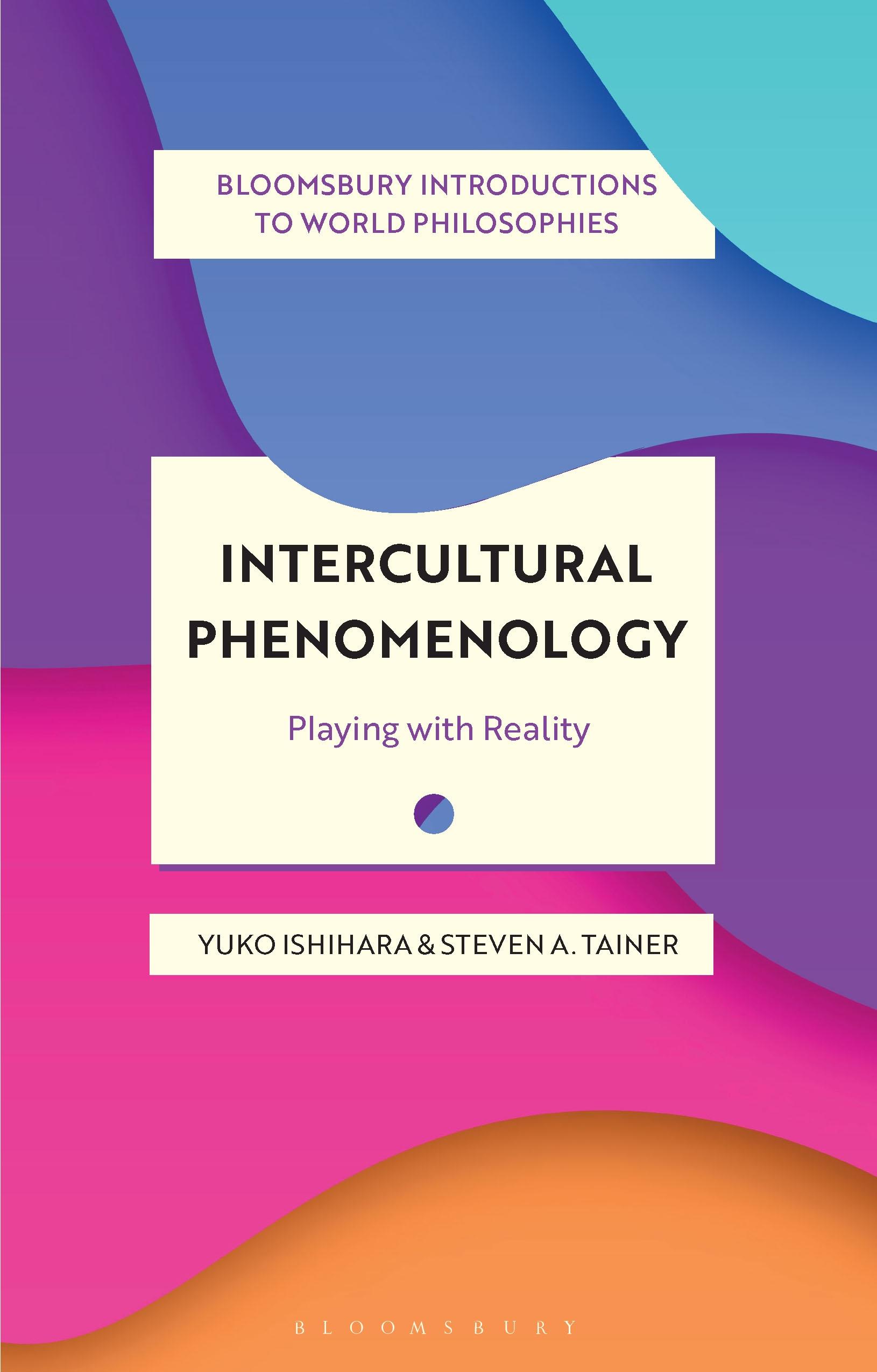
Intercultural Phenomenology explores the nature of reality by engaging in a cross-cultural dialogue between two of the most influential philosophical traditions of the 20th century.
Drawing on ideas from phenomenology, Japanese philosophy and Zen Buddhism, it follows the philosophers who changed their perception of the world by choosing to suspend judgement. Guided by this philosophical method known as the “epoché”, or suspension of judgment in ancient Greek, it is an introduction to the philosophy and practice of letting objects in the world speak for themselves.
Inspired by Nishida Kitaro's insight that true reality is beyond the subject-object duality, the book uses a series of examples and exercises to explore the background to Husserl's idea of the phenomenological epoché, Hans-Georg Gadamer's emphasis on play in human understanding and the haiku poet Matsuo Basho's call for a new level of freedom. This practice-oriented approach moves beyond the traditional East-West divide. It connects various traditions, old and new, contemplative and theoretical, and explains why Japanese philosophy and phenomenology can enrich the quality of our lived experience.
Drawing on ideas from phenomenology, Japanese philosophy and Zen Buddhism, it follows the philosophers who changed their perception of the world by choosing to suspend judgement. Guided by this philosophical method known as the “epoché”, or suspension of judgment in ancient Greek, it is an introduction to the philosophy and practice of letting objects in the world speak for themselves.
Inspired by Nishida Kitaro's insight that true reality is beyond the subject-object duality, the book uses a series of examples and exercises to explore the background to Husserl's idea of the phenomenological epoché, Hans-Georg Gadamer's emphasis on play in human understanding and the haiku poet Matsuo Basho's call for a new level of freedom. This practice-oriented approach moves beyond the traditional East-West divide. It connects various traditions, old and new, contemplative and theoretical, and explains why Japanese philosophy and phenomenology can enrich the quality of our lived experience.
Pay easily by card, Klarna, Apple Pay or Google Pay. Not happy? You always have a 14-day money-back guarantee. Read more in our terms. If you have any questions, email us at hello@memmo.org.
Memmo makes studying easier – wherever you are in the world. We bring your course books and smart study tools together in one place: summaries, quizzes, podcasts and flashcards. Plus Ted, your study buddy who answers anything you wonder. Over 50,000 students already study here – built to help you learn faster and stress less.