
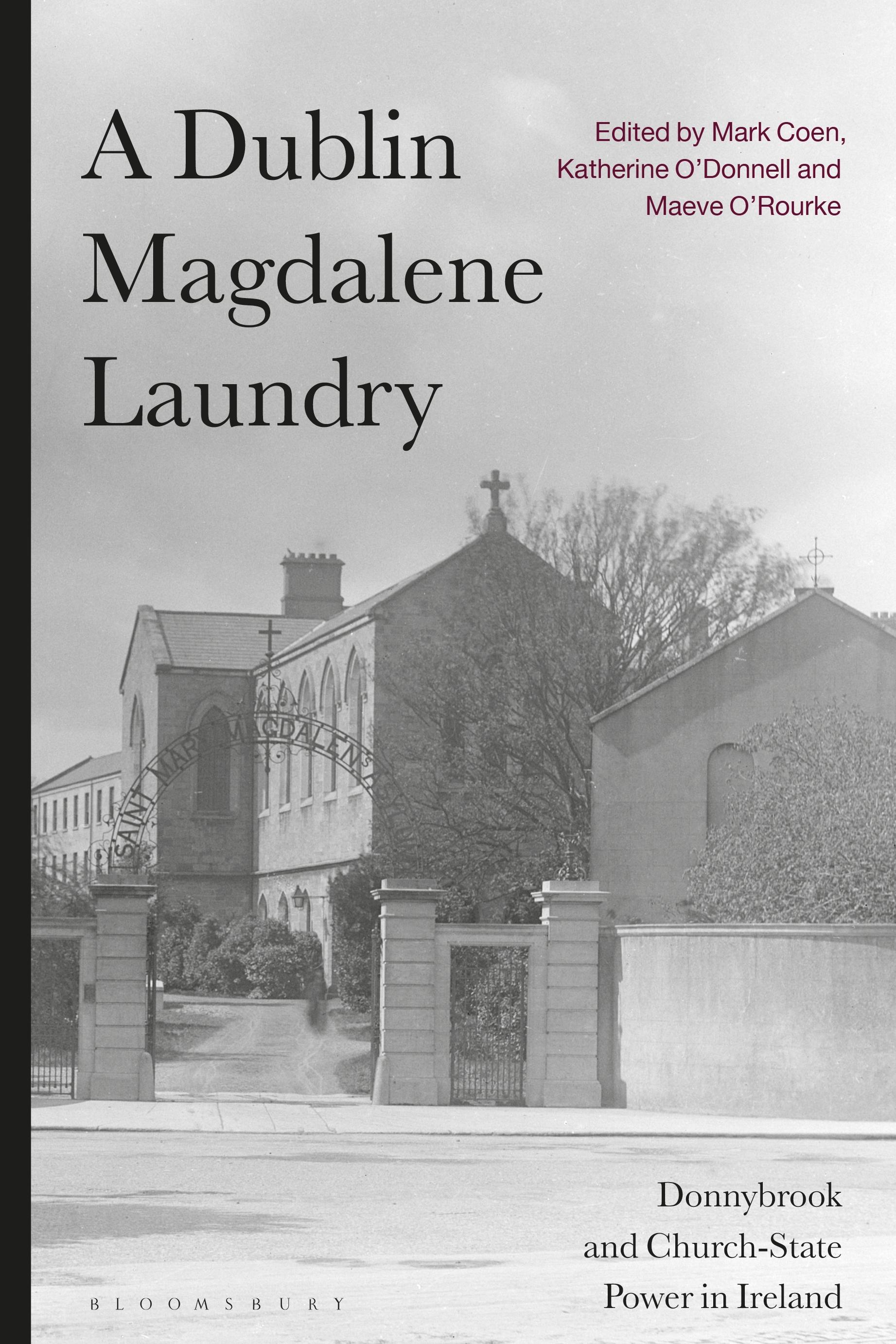
Towards the end of the 20th century, the decades of abuse and neglect perpetrated in Ireland's comprehensive carceral network began finally to be exposed. The mistreatment endured by children and others on the margins of Irish society, notably women, in these orphanages, reformatory schools, industrial schools, psychiatric hospitals, County Homes, Mother and Baby Homes, adoption agencies and Magdalene Laundries now attracts increasing investigation and scholarship. Bringing together contributions from leading experts across a broad range of disciplines, including history, philosophy, law, archaeology, criminology, accounting and architecture, this book offers a comprehensive exploration of the Magdalene system through a close study of Donnybrook Magdalene Laundry in Dublin.
To date, the Justice for Magdalenes Research group has recorded the names of 315 women and girls who died at Donnybrook Magdalene Laundry.
By focusing on this one institution-on its ethos, development, operation and built environment, and the lives of the girls and women held there-this book reveals the underlying framework of Ireland's wider system of institutionalisation. The analysis includes a focus on the privatisation and commodification of public welfare, reproductive injustice, institutionalised misogyny, class prejudice, the visibility of supposedly 'hidden' institutions and the role of oral testimony in reconstructing history. In undertaking such a close study, the authors uncover truths missing from the state's own investigations; shed new light on how these brutal institutions came to have such a powerful presence in Irish society, and highlight the significance of their continuing impact on modern Ireland.
To date, the Justice for Magdalenes Research group has recorded the names of 315 women and girls who died at Donnybrook Magdalene Laundry.
By focusing on this one institution-on its ethos, development, operation and built environment, and the lives of the girls and women held there-this book reveals the underlying framework of Ireland's wider system of institutionalisation. The analysis includes a focus on the privatisation and commodification of public welfare, reproductive injustice, institutionalised misogyny, class prejudice, the visibility of supposedly 'hidden' institutions and the role of oral testimony in reconstructing history. In undertaking such a close study, the authors uncover truths missing from the state's own investigations; shed new light on how these brutal institutions came to have such a powerful presence in Irish society, and highlight the significance of their continuing impact on modern Ireland.
Pay easily by card, Klarna, Apple Pay or Google Pay. Not happy? You always have a 14-day money-back guarantee. Read more in our terms. If you have any questions, email us at hello@memmo.org.
Memmo makes studying easier – wherever you are in the world. We bring your course books and smart study tools together in one place: summaries, quizzes, podcasts and flashcards. Plus Ted, your study buddy who answers anything you wonder. Over 50,000 students already study here – built to help you learn faster and stress less.