
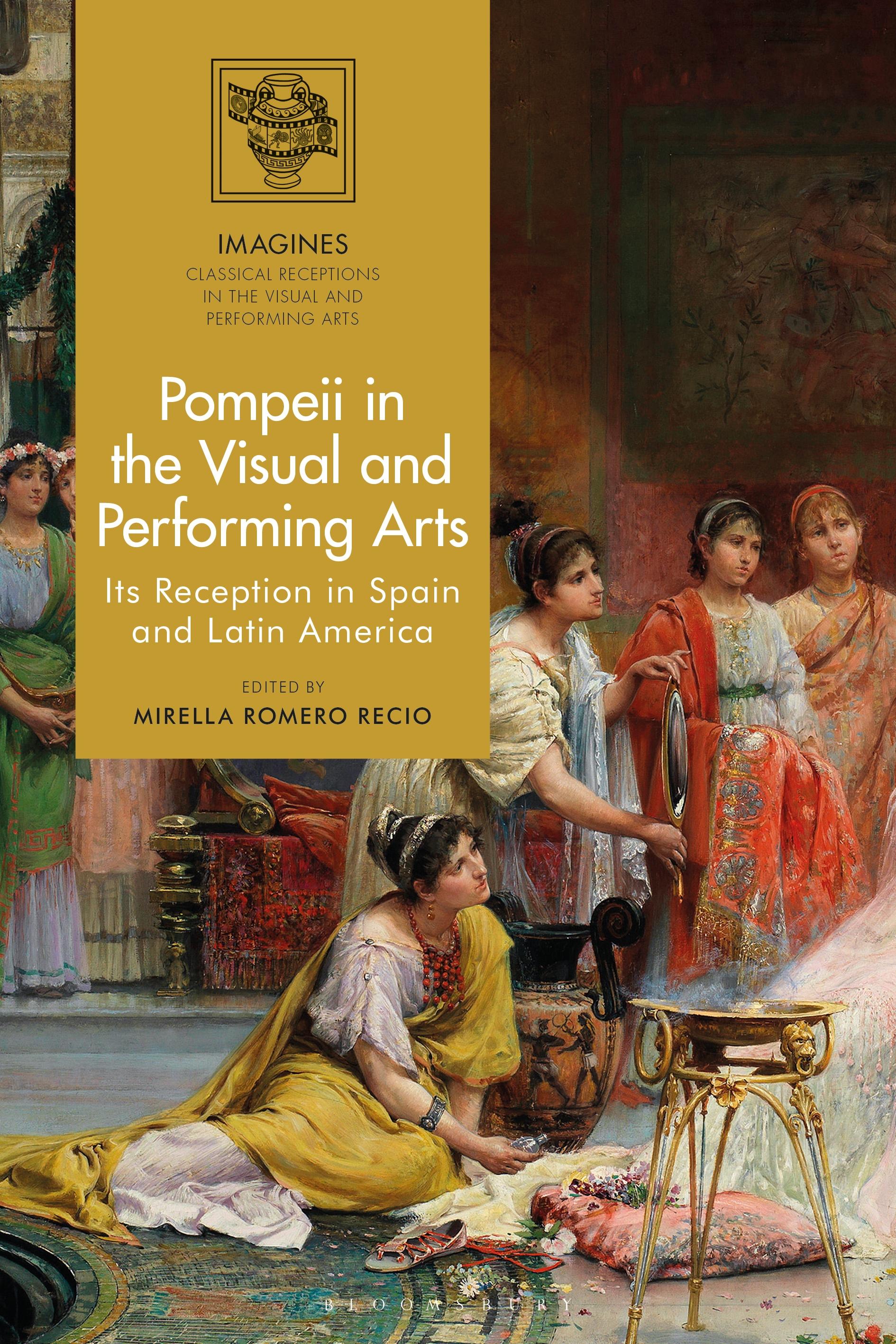
This volume examines the influence that Pompeii and, to a lesser extent, Herculaneum had on the visual and performing arts in Spain and countries across South America. Covering topics from architecture, painting and decorative arts to theatre, dance and photography, the reader will gain insight into the reception of classical antiquity through the analysis of the close cultural ties between both sides of the Atlantic, in the past and the present. Each contribution has been written by a specialist researcher participating in the project, 'The Reception and Influence of Pompeii and Herculaneum in Spain and Ibero-America', funded by the Spanish Ministry of Science and Innovation (PGC2018-093509-B-I00 Ministry of Science and Innovation/AEI/ERDF/EU).
Pompeii in the Visual and Performing Arts begins by examining the influence of Pompeiian architecture in Spain in paintings that depict scenes inspired by Roman scenes and also buildings modelled on those of Pompeii. Next, the influence of Pompeii crosses the Atlantic to Mexico with a study of the archaeological site's influence on the visual and performing arts. An exploration of the elitist use of the ancient past in architecture is seen in Chilean architecture, which leads onto an investigation of the new art styles that emerged in the 19th century. Later chapters look into the influence of the ancient frescoes and the use of modern plaster casts of statues. The final chapters are devoted to comics and photography, which also make a study of the places in Latin America nicknamed 'Pompeii' in the 20th and 21st centuries.
Pompeii in the Visual and Performing Arts begins by examining the influence of Pompeiian architecture in Spain in paintings that depict scenes inspired by Roman scenes and also buildings modelled on those of Pompeii. Next, the influence of Pompeii crosses the Atlantic to Mexico with a study of the archaeological site's influence on the visual and performing arts. An exploration of the elitist use of the ancient past in architecture is seen in Chilean architecture, which leads onto an investigation of the new art styles that emerged in the 19th century. Later chapters look into the influence of the ancient frescoes and the use of modern plaster casts of statues. The final chapters are devoted to comics and photography, which also make a study of the places in Latin America nicknamed 'Pompeii' in the 20th and 21st centuries.
Pay easily by card, Klarna, Apple Pay or Google Pay. Not happy? You always have a 14-day money-back guarantee. Read more in our terms. If you have any questions, email us at hello@memmo.org.
Memmo makes studying easier – wherever you are in the world. We bring your course books and smart study tools together in one place: summaries, quizzes, podcasts and flashcards. Plus Ted, your study buddy who answers anything you wonder. Over 75,000 students already study here – built to help you learn faster and stress less.