
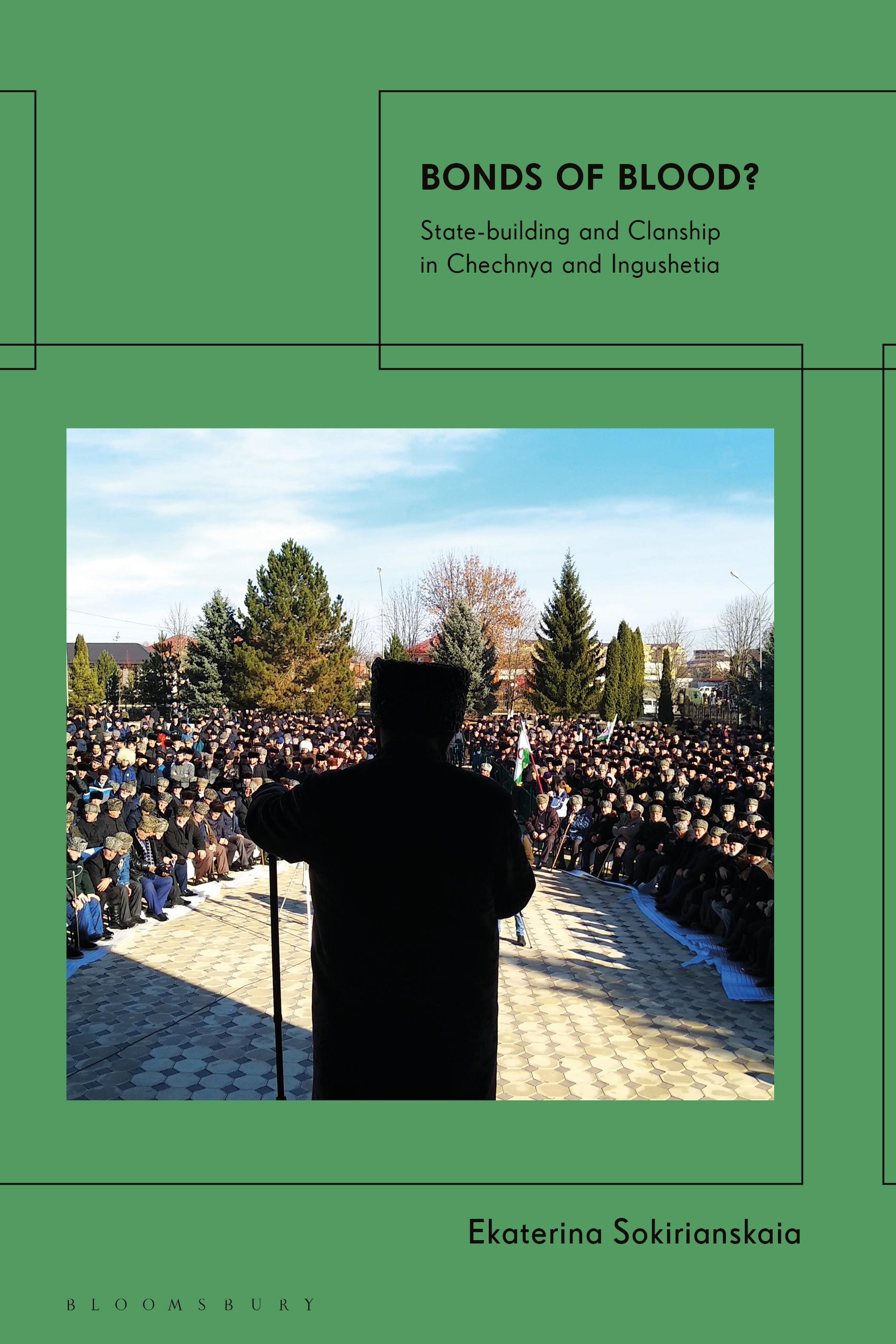
The North Caucasus, specifically Chechnya and Ingushetia, is a region that has experienced some of the deadliest and most protracted conflicts in Europe. By examining the relationship between state and society, this book considers how state-building has unfolded in a region with highly complex social structures, a history of colonialism, Soviet authoritarianism, and later post-Soviet wars and trauma.
Focusing on a systematic analysis of subnational state-building in post-Soviet Chechnya and Ingushetia, and the role of teips (clans) in this process, this study responds to the widely accepted academic claim that governance and ethnic consolidation in the North Caucasus is shaped by the politics of teips. Through socio-anthropological analysis of the clans and how they function towards political systems, Sokirianskaia shows how the teips lost their organizational structure and roles, becoming incapable of mobilizing for political action. While teip symbolism has remained politically relevant, and the bonds of kinship are highly important, they do not form the basis of politics and subnational statebuilding in Chechnya and Ingushetia. Consequently, subnational authoritarianism is not the result of the pre-existing social composition of the society, but a reflection of the rules of the game imposed by Moscow and political choices of the Kremlin-installed local elites.
Focusing on a systematic analysis of subnational state-building in post-Soviet Chechnya and Ingushetia, and the role of teips (clans) in this process, this study responds to the widely accepted academic claim that governance and ethnic consolidation in the North Caucasus is shaped by the politics of teips. Through socio-anthropological analysis of the clans and how they function towards political systems, Sokirianskaia shows how the teips lost their organizational structure and roles, becoming incapable of mobilizing for political action. While teip symbolism has remained politically relevant, and the bonds of kinship are highly important, they do not form the basis of politics and subnational statebuilding in Chechnya and Ingushetia. Consequently, subnational authoritarianism is not the result of the pre-existing social composition of the society, but a reflection of the rules of the game imposed by Moscow and political choices of the Kremlin-installed local elites.
Pages: 280
Category: Statsvetenskap & Politik
e-ISBN: 9781350271708
Shipping weight: 1.2 kg
Ships in: 1-2 days
Pay easily by card, Klarna, Apple Pay or Google Pay. Not happy? You always have a 14-day money-back guarantee. Read more in our terms. If you have any questions, email us at hello@memmo.org.
Memmo makes studying easier – wherever you are in the world. We bring your course books and smart study tools together in one place: summaries, quizzes, podcasts and flashcards. Plus Ted, your study buddy who answers anything you wonder. Over 50,000 students already study here – built to help you learn faster and stress less.