
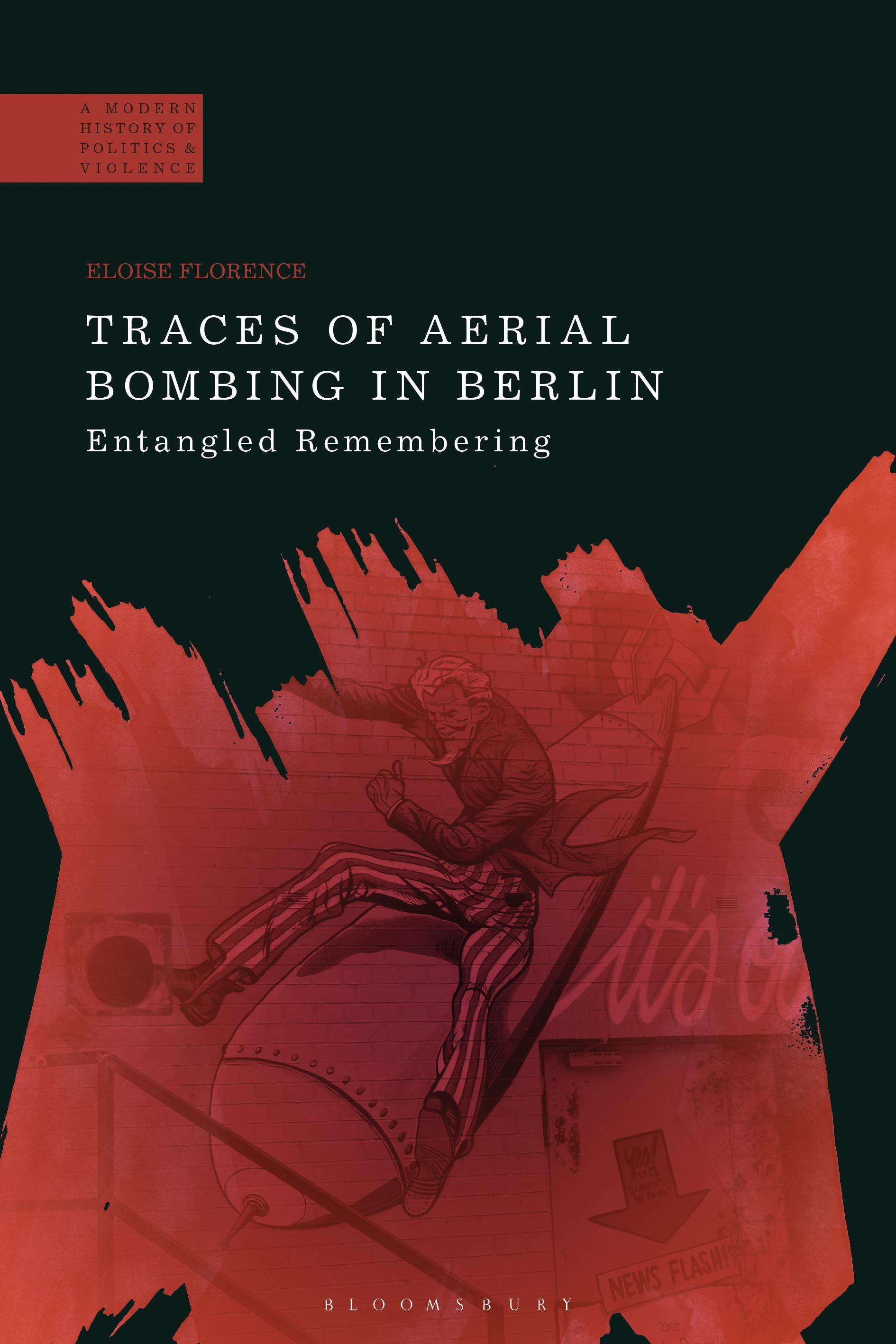
The destruction of monuments during the Black Lives Matter movement of 2020 shows how many nations are being forced to grapple with their national histories. It is clear that the things which make up our streets form a core part of our historical, political and cultural identity. Here, Eloise Florence turns to Berlin and the deeply entrenched English-language narratives about World War II to explore the complicated relationship between violence, place and memory in the Anglo-American consciousness.
Centered upon Teufelsberg – a hill in Berlin born from the rubble caused by Allied bombing – and other sites of violence across Germany's capital, this interdisciplinary study unpicks the use and abuse of area bombing and its cultural memory in Anglo-American audiences. Grounded in theories of new materialism and post-humanism, and drawing on extensive empirical and auto-ethnographic data, the issues addressed include: moving through urban landscapes as an embodied means of memorializing war and trauma; remembering destruction as a means to advance or challenge traditional war mythologies; and curation as an entry point for tourists to reconsider the impact of British and American aerial raids, including modern drone warfare.
This innovative volume shines an important light on both the dark legacy of the aerial bombing of Berlin and the ways in which we record and read violent histories more generally. As such, Traces of Aerial Bombing in Berlin will be an invaluable resource for all scholars of World War II, memory culture and public history.
Centered upon Teufelsberg – a hill in Berlin born from the rubble caused by Allied bombing – and other sites of violence across Germany's capital, this interdisciplinary study unpicks the use and abuse of area bombing and its cultural memory in Anglo-American audiences. Grounded in theories of new materialism and post-humanism, and drawing on extensive empirical and auto-ethnographic data, the issues addressed include: moving through urban landscapes as an embodied means of memorializing war and trauma; remembering destruction as a means to advance or challenge traditional war mythologies; and curation as an entry point for tourists to reconsider the impact of British and American aerial raids, including modern drone warfare.
This innovative volume shines an important light on both the dark legacy of the aerial bombing of Berlin and the ways in which we record and read violent histories more generally. As such, Traces of Aerial Bombing in Berlin will be an invaluable resource for all scholars of World War II, memory culture and public history.
Pay easily by card, Klarna, Apple Pay or Google Pay. Not happy? You always have a 14-day money-back guarantee. Read more in our terms. If you have any questions, email us at hello@memmo.org.
Memmo makes studying easier – wherever you are in the world. We bring your course books and smart study tools together in one place: summaries, quizzes, podcasts and flashcards. Plus Ted, your study buddy who answers anything you wonder. Over 50,000 students already study here – built to help you learn faster and stress less.