
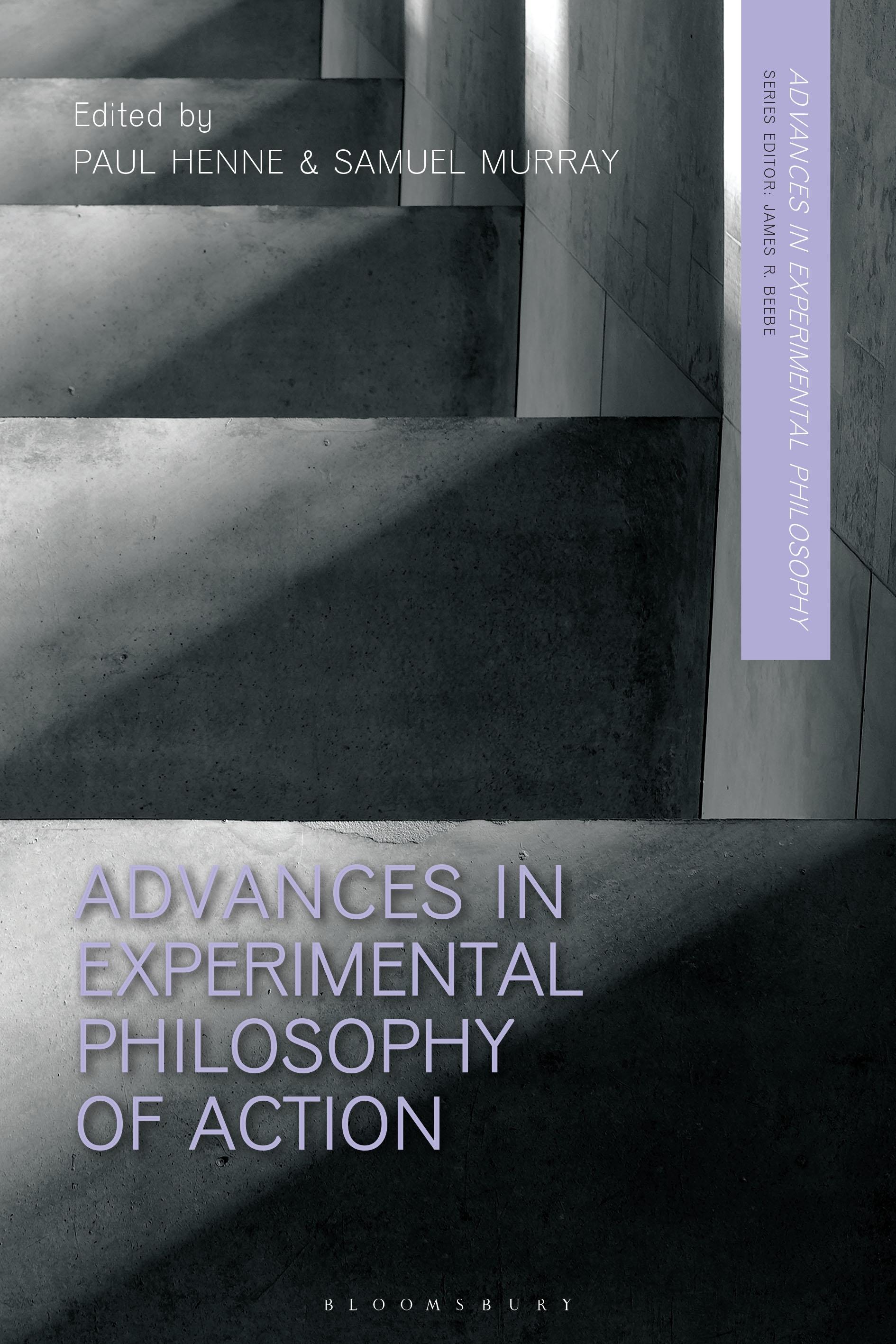
What is self-control? Does a person need to be conscious to act? Are delusions always irrational? Questions such as these are fundamental for investigations into action and rationality, as well as how we assign responsibility for wrongdoing and assess clinical symptoms. Bridging the gap between philosophy and psychology, this interdisciplinary collection showcases how empirical research informs and enriches core questions in the philosophy of action.
Exploring issues such as truth, moral judgement, agency, consciousness and cognitive control, chapters offer an overview of the current state of research, present new empirical findings and identify where future experimental work can further advance the frontier between philosophy and psychology. This is an essential resource for anyone looking to better understand how science and philosophy can meaningfully inform our knowledge of human agency.
Exploring issues such as truth, moral judgement, agency, consciousness and cognitive control, chapters offer an overview of the current state of research, present new empirical findings and identify where future experimental work can further advance the frontier between philosophy and psychology. This is an essential resource for anyone looking to better understand how science and philosophy can meaningfully inform our knowledge of human agency.
Pay easily by card, Klarna, Apple Pay or Google Pay. Not happy? You always have a 14-day money-back guarantee. Read more in our terms. If you have any questions, email us at hello@memmo.org.
Memmo makes studying easier – wherever you are in the world. We bring your course books and smart study tools together in one place: summaries, quizzes, podcasts and flashcards. Plus Ted, your study buddy who answers anything you wonder. Over 50,000 students already study here – built to help you learn faster and stress less.