
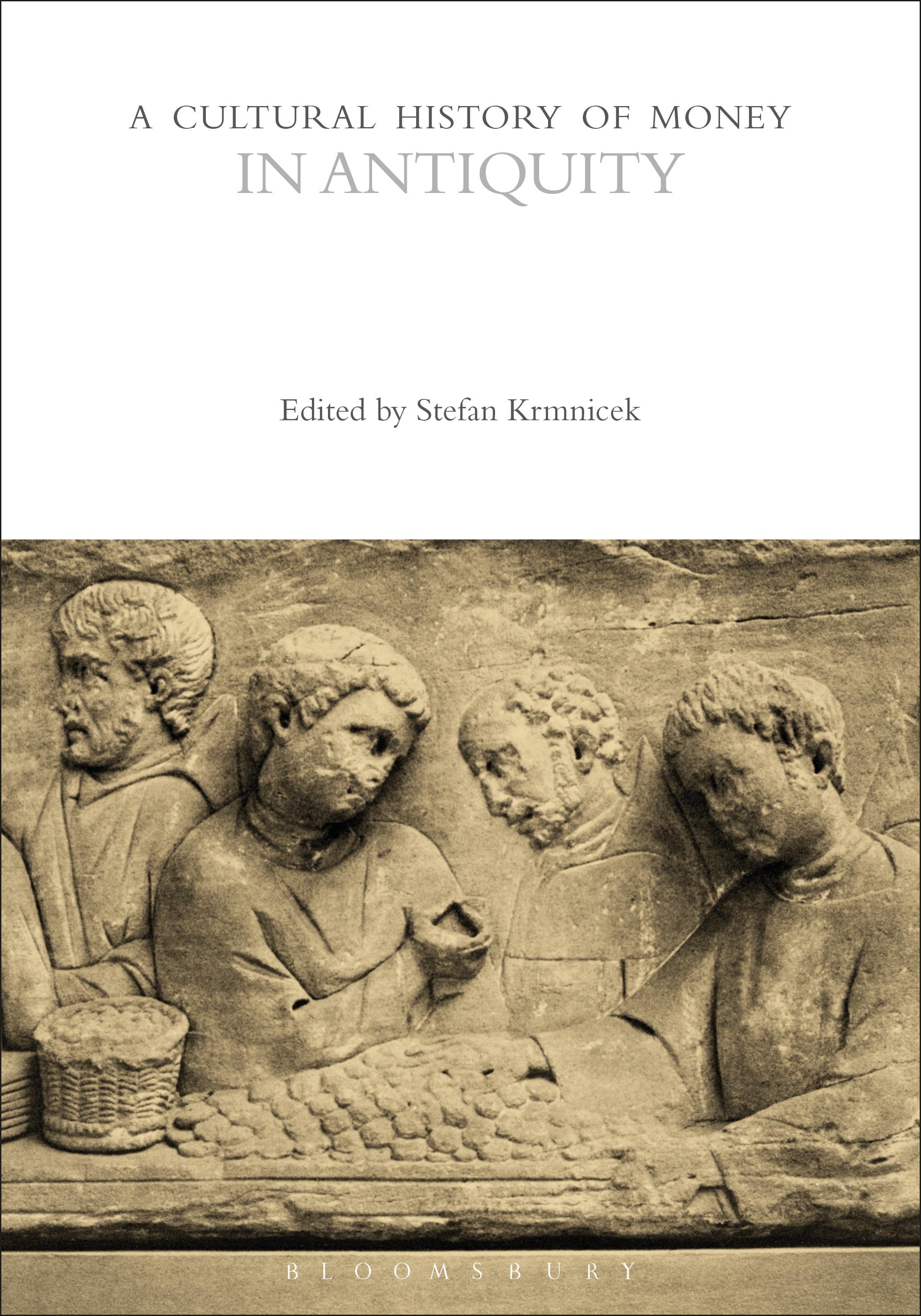
The origins of the modern, Western concept of money can be traced back to the earliest electrum coins that were produced in Asia Minor in the seventh century BCE. While other forms of currency (shells, jewelry, silver ingots) were in widespread use long before this, the introduction of coinage aided and accelerated momentous economic, political, and social developments such as long-distance trade, wealth creation (and the social differentiation that followed from that), and the financing of military and political power. Coinage, though adopted inconsistently across different ancient societies, became a significant marker of identity and became embedded in practices of religion and superstition. And this period also witnessed the emergence of the problems of money - inflation, monetary instability, and the breakup of monetary unions - which have surfaced repeatedly in succeeding centuries.
Drawing upon a wealth of visual and textual sources, A Cultural History of Money in Antiquity presents essays that examine key cultural case studies of the period on the themes of technologies, ideas, ritual and religion, the everyday, art and representation, interpretation, and the issues of the age.
Drawing upon a wealth of visual and textual sources, A Cultural History of Money in Antiquity presents essays that examine key cultural case studies of the period on the themes of technologies, ideas, ritual and religion, the everyday, art and representation, interpretation, and the issues of the age.
Pay easily by card, Klarna, Apple Pay or Google Pay. Not happy? You always have a 14-day money-back guarantee. Read more in our terms. If you have any questions, email us at hello@memmo.org.
Memmo makes studying easier – wherever you are in the world. We bring your course books and smart study tools together in one place: summaries, quizzes, podcasts and flashcards. Plus Ted, your study buddy who answers anything you wonder. Over 75,000 students already study here – built to help you learn faster and stress less.