
Winner, ASA (American Society for Aesthetics) 2023 Outstanding Monograph Prize
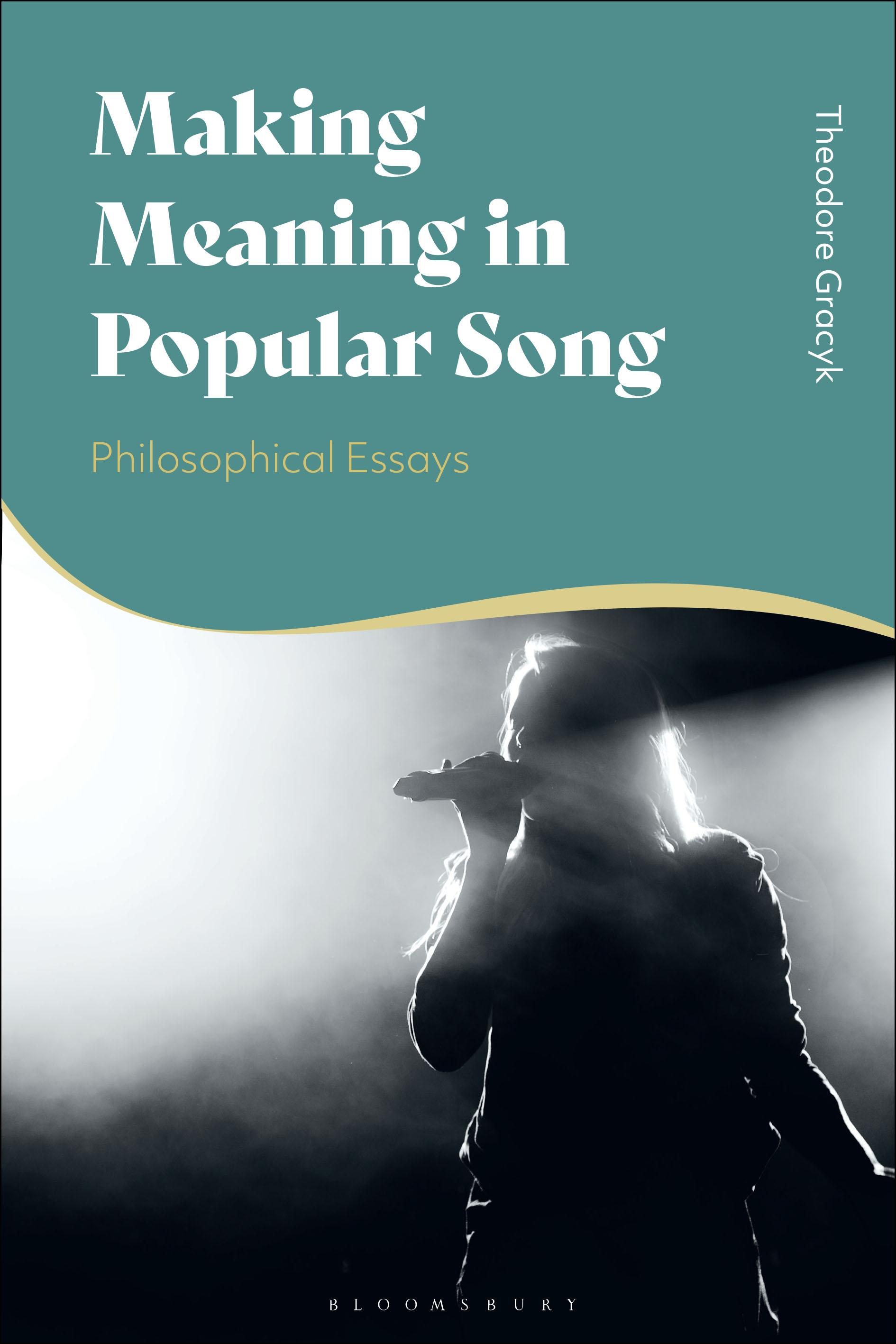
For Theodore Gracyk meaning in popular music depends as much on the context of reception and performer's intentions as on established musical and semantic practices. Songs are structures that serve as the scaffolding for meaning production, influenced by the performance decisions of the performer and their intentions.
Arguing against prevailing theories of meaning that ignore the power of the performance, Gracyk champions the contextual relevance of the performer as well as novel messaging through creative repurposing of recordings. Extending the philosophical insight that meaning is a function of use, Gracyk explains how both the performance persona and the personal life of a song's performer can contribute to (or undercut) ethical and political aspects of a performance or recording.
Using Carly Simon's “You're So Vain”, Pink Floyd, the emergence of the musical genre of post-punk and the practice of “cover” versions, Gracyk explores the multiple, sometimes contradictory, notions of authenticity applied to popular music and the conditions for meaningful communication. He places popular music within larger cultural contexts and examines how assigning a performance or recording to one music genre rather than another has implications for what it communicates.
Informed by a mix of philosophy of art and philosophy of language, Gracyk's entertaining study of popular music constructs a theoretical basis for a philosophy of meaning for songs.
For Theodore Gracyk meaning in popular music depends as much on the context of reception and performer's intentions as on established musical and semantic practices. Songs are structures that serve as the scaffolding for meaning production, influenced by the performance decisions of the performer and their intentions.
Arguing against prevailing theories of meaning that ignore the power of the performance, Gracyk champions the contextual relevance of the performer as well as novel messaging through creative repurposing of recordings. Extending the philosophical insight that meaning is a function of use, Gracyk explains how both the performance persona and the personal life of a song's performer can contribute to (or undercut) ethical and political aspects of a performance or recording.
Using Carly Simon's “You're So Vain”, Pink Floyd, the emergence of the musical genre of post-punk and the practice of “cover” versions, Gracyk explores the multiple, sometimes contradictory, notions of authenticity applied to popular music and the conditions for meaningful communication. He places popular music within larger cultural contexts and examines how assigning a performance or recording to one music genre rather than another has implications for what it communicates.
Informed by a mix of philosophy of art and philosophy of language, Gracyk's entertaining study of popular music constructs a theoretical basis for a philosophy of meaning for songs.
Pay easily by card, Klarna, Apple Pay or Google Pay. Not happy? You always have a 14-day money-back guarantee. Read more in our terms. If you have any questions, email us at hello@memmo.org.
Memmo makes studying easier – wherever you are in the world. We bring your course books and smart study tools together in one place: summaries, quizzes, podcasts and flashcards. Plus Ted, your study buddy who answers anything you wonder. Over 50,000 students already study here – built to help you learn faster and stress less.