
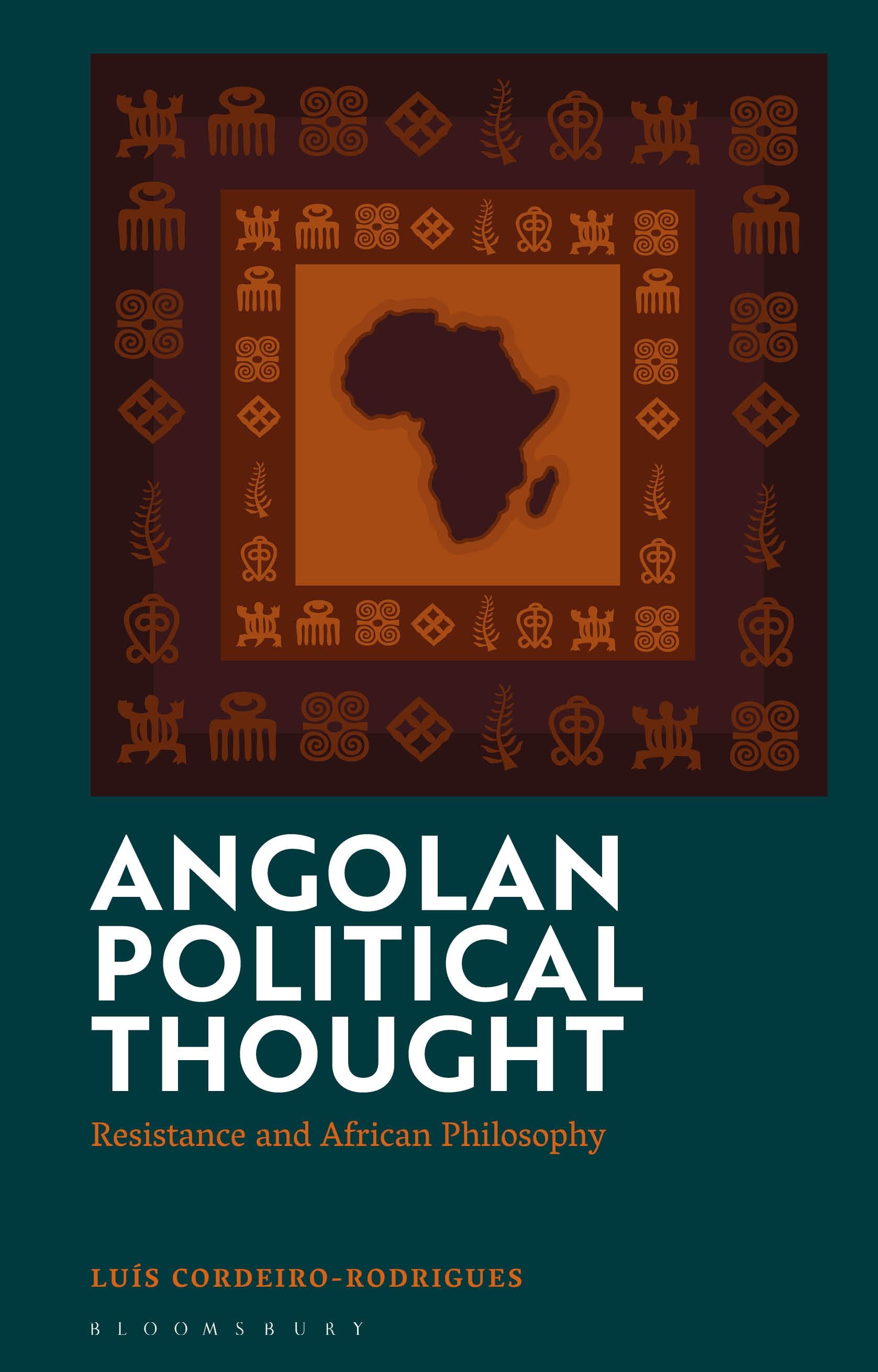
Angolan Political Thought introduces anticolonial thinkers whose writings on colonialism and liberation have been instrumental in the formation of Angolan identity. It focuses on the political nature of these thinkers and how their work has impacted Angolan political reality.
Luís Cordeiro-Rodrigues both introduces and critically analyzes the thought of Queen Njinga, Mário Pinto de Andrade, Agostinho Neto and Pepetela and systematically addresses five important topics in Angolan political thought. Firstly, it gives a general introduction to African political philosophy and explains the place of Angolan political thought in this. Secondly, it explains how different Angolan thinkers have conceptualized colonialism and its effects on the global Black community. Thirdly, the book surveys what key Angolan thinkers have identified as legitimate and effective tools of liberation and resistance from colonialism. For example, it addresses the place of poetry for liberation, as well as the justification for war against colonial powers. Fourth, this book will explain the different theories that Africa and, in particular, African identity, consists of. Finally, it will look at Angolan theories of distributive justice and compensation for historical injustices.
Luís Cordeiro-Rodrigues both introduces and critically analyzes the thought of Queen Njinga, Mário Pinto de Andrade, Agostinho Neto and Pepetela and systematically addresses five important topics in Angolan political thought. Firstly, it gives a general introduction to African political philosophy and explains the place of Angolan political thought in this. Secondly, it explains how different Angolan thinkers have conceptualized colonialism and its effects on the global Black community. Thirdly, the book surveys what key Angolan thinkers have identified as legitimate and effective tools of liberation and resistance from colonialism. For example, it addresses the place of poetry for liberation, as well as the justification for war against colonial powers. Fourth, this book will explain the different theories that Africa and, in particular, African identity, consists of. Finally, it will look at Angolan theories of distributive justice and compensation for historical injustices.
Pay easily by card, Klarna, Apple Pay or Google Pay. Not happy? You always have a 14-day money-back guarantee. Read more in our terms. If you have any questions, email us at hello@memmo.org.
Memmo makes studying easier – wherever you are in the world. We bring your course books and smart study tools together in one place: summaries, quizzes, podcasts and flashcards. Plus Ted, your study buddy who answers anything you wonder. Over 50,000 students already study here – built to help you learn faster and stress less.