
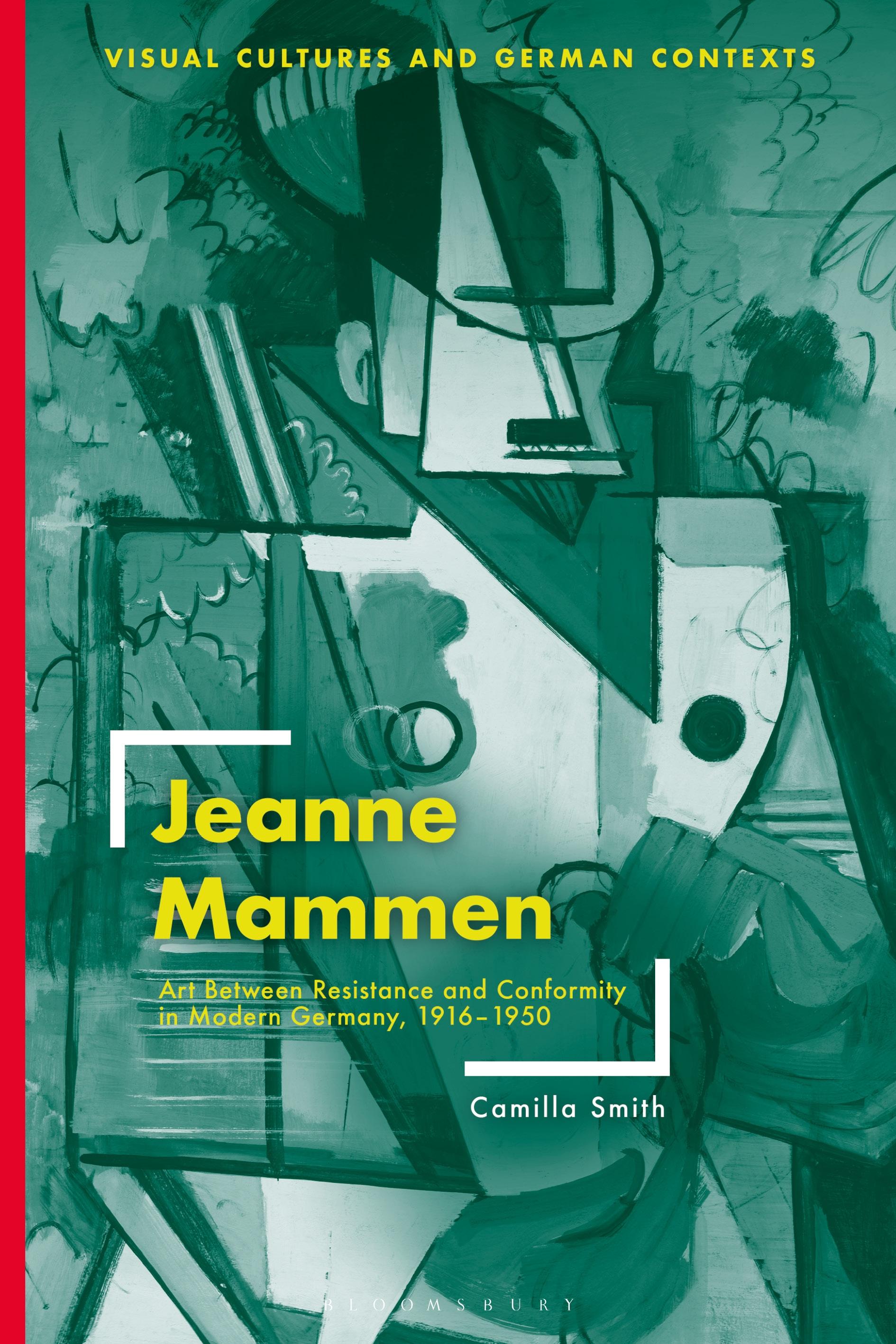
Jeanne Mammen's watercolour images of the gender-bending 'new woman' and her candid portrayals of Berlin's thriving nightlife appeared in some of the most influential magazines of the Weimar Republic and are still considered characteristic of much of the 'glitter' of that era. This book charts how, once the Nazis came into power, Mammen instead created 'degenerate' paintings and collages, translated prohibited French literature and sculpted in clay and plaster-all while hidden away in her tiny studio apartment in the heart of Berlin's fashionable west end.
What was it like as a woman artist to produce modern art in Nazi Germany? Can artworks that were never exhibited in public still make valid claims to protest? Camilla Smith examines a wide range of Mammen's dissenting artworks, ranging from those created in solitude during inner emigration to her collaboration with artist cabarets after the Second World War. Smith's engaging analysis compares Mammen's popular Weimar work to her artistic activities under the radar after 1933, in order to fundamentally rethink the moral complexities of inner emigration and its visual culture.
The examination of Mammen's life and work demonstrates the crucial role women artists played as both markers and agents of German modernity, but the double marginalisation they have nonetheless encountered as inner émigrés in recent history. It will be of interest to students of German studies, art history, literature, history, gender studies and cultural studies.
What was it like as a woman artist to produce modern art in Nazi Germany? Can artworks that were never exhibited in public still make valid claims to protest? Camilla Smith examines a wide range of Mammen's dissenting artworks, ranging from those created in solitude during inner emigration to her collaboration with artist cabarets after the Second World War. Smith's engaging analysis compares Mammen's popular Weimar work to her artistic activities under the radar after 1933, in order to fundamentally rethink the moral complexities of inner emigration and its visual culture.
The examination of Mammen's life and work demonstrates the crucial role women artists played as both markers and agents of German modernity, but the double marginalisation they have nonetheless encountered as inner émigrés in recent history. It will be of interest to students of German studies, art history, literature, history, gender studies and cultural studies.
Pages: 288
Category: Konst, Design & Fotografi
e-ISBN: 9781350239401
Shipping weight: 1.2 kg
Ships in: 1-2 days
Pay easily by card, Klarna, Apple Pay or Google Pay. Not happy? You always have a 14-day money-back guarantee. Read more in our terms. If you have any questions, email us at hello@memmo.org.
Memmo makes studying easier – wherever you are in the world. We bring your course books and smart study tools together in one place: summaries, quizzes, podcasts and flashcards. Plus Ted, your study buddy who answers anything you wonder. Over 50,000 students already study here – built to help you learn faster and stress less.