
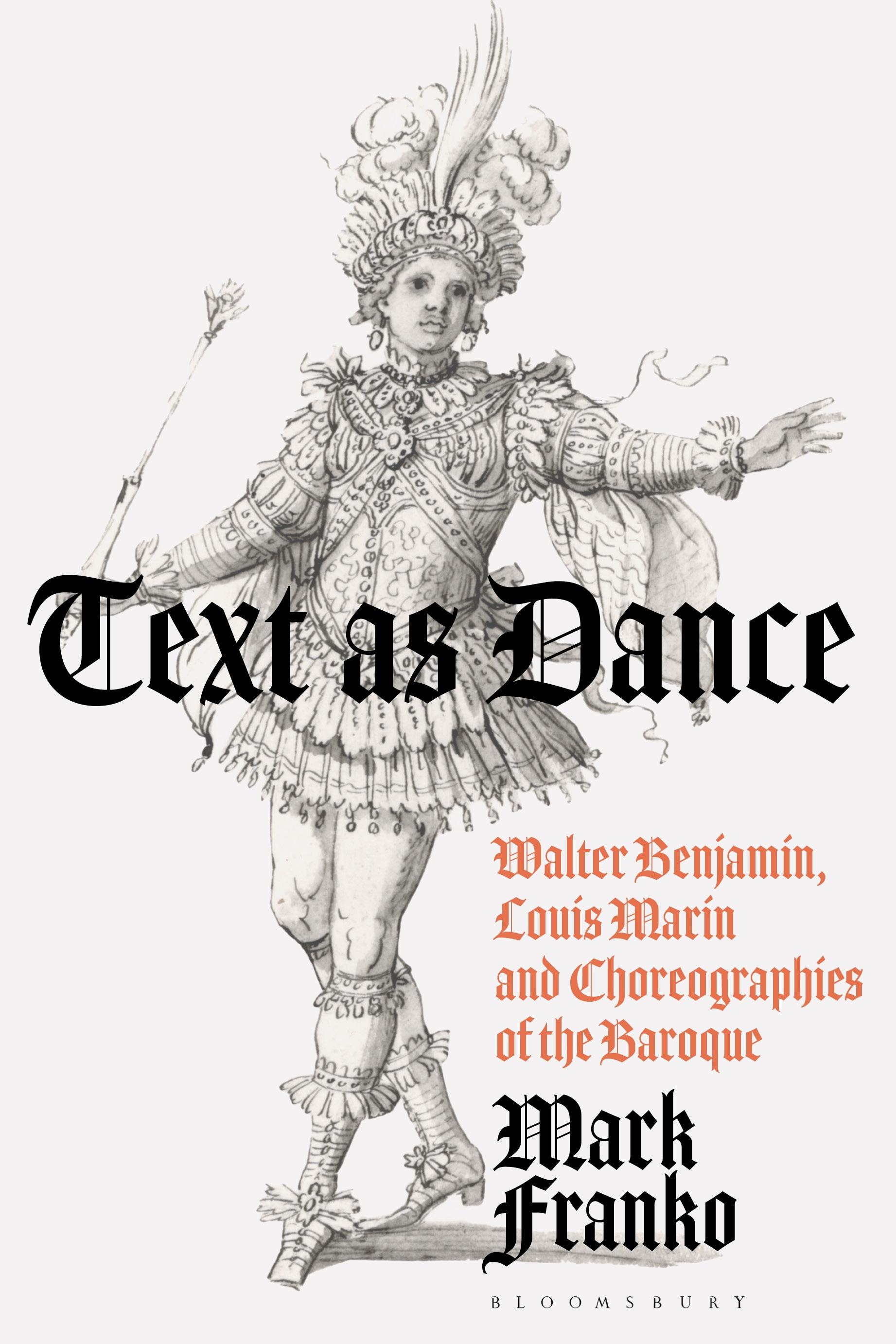
This book offers a groundbreaking investigation into issues of gender, power and the representation of sovereignty in French Baroque court ballet – and in today's performances that recall them.
Mark Franko uses powerful interpretive tools derived from historiography and critical theory, especially the work of German-Jewish philosopher Walter Benjamin, to offer the reader both a historical and a theoretical interpretation of this genre of dance in France (c. 1615–1654), as well as its aftermath and legacy today.
Through doing so, he reaches conclusions about how sovereignty and power were both perceived by viewers at the time and how they were represented through dance, given that it was the noble class who devised and performed court ballets. He enquires into the role of choreography and theatricality as potentially critical forces operating at the heart of sovereignty.
Franko places the work of Louis Marin on power, representation and movement in French Baroque painting and performance in juxtaposition to that of Benjamin on theater. Other historians whose work is prominent in this study are Ernst Kantorowicz, Michel Foucault and José Antonio Maravall.
With wide breadth in the work of historians, philosophers, political scientists, critical theorists, musicologists and dance historians, this is the culmination of a career's-worth of scholarship and research in the field.
Mark Franko uses powerful interpretive tools derived from historiography and critical theory, especially the work of German-Jewish philosopher Walter Benjamin, to offer the reader both a historical and a theoretical interpretation of this genre of dance in France (c. 1615–1654), as well as its aftermath and legacy today.
Through doing so, he reaches conclusions about how sovereignty and power were both perceived by viewers at the time and how they were represented through dance, given that it was the noble class who devised and performed court ballets. He enquires into the role of choreography and theatricality as potentially critical forces operating at the heart of sovereignty.
Franko places the work of Louis Marin on power, representation and movement in French Baroque painting and performance in juxtaposition to that of Benjamin on theater. Other historians whose work is prominent in this study are Ernst Kantorowicz, Michel Foucault and José Antonio Maravall.
With wide breadth in the work of historians, philosophers, political scientists, critical theorists, musicologists and dance historians, this is the culmination of a career's-worth of scholarship and research in the field.
Pay easily by card, Klarna, Apple Pay or Google Pay. Not happy? You always have a 14-day money-back guarantee. Read more in our terms. If you have any questions, email us at hello@memmo.org.
Memmo makes studying easier – wherever you are in the world. We bring your course books and smart study tools together in one place: summaries, quizzes, podcasts and flashcards. Plus Ted, your study buddy who answers anything you wonder. Over 75,000 students already study here – built to help you learn faster and stress less.