
Honourable Mention, Best Monograph Award, BAFTSS Publication Awards 2022
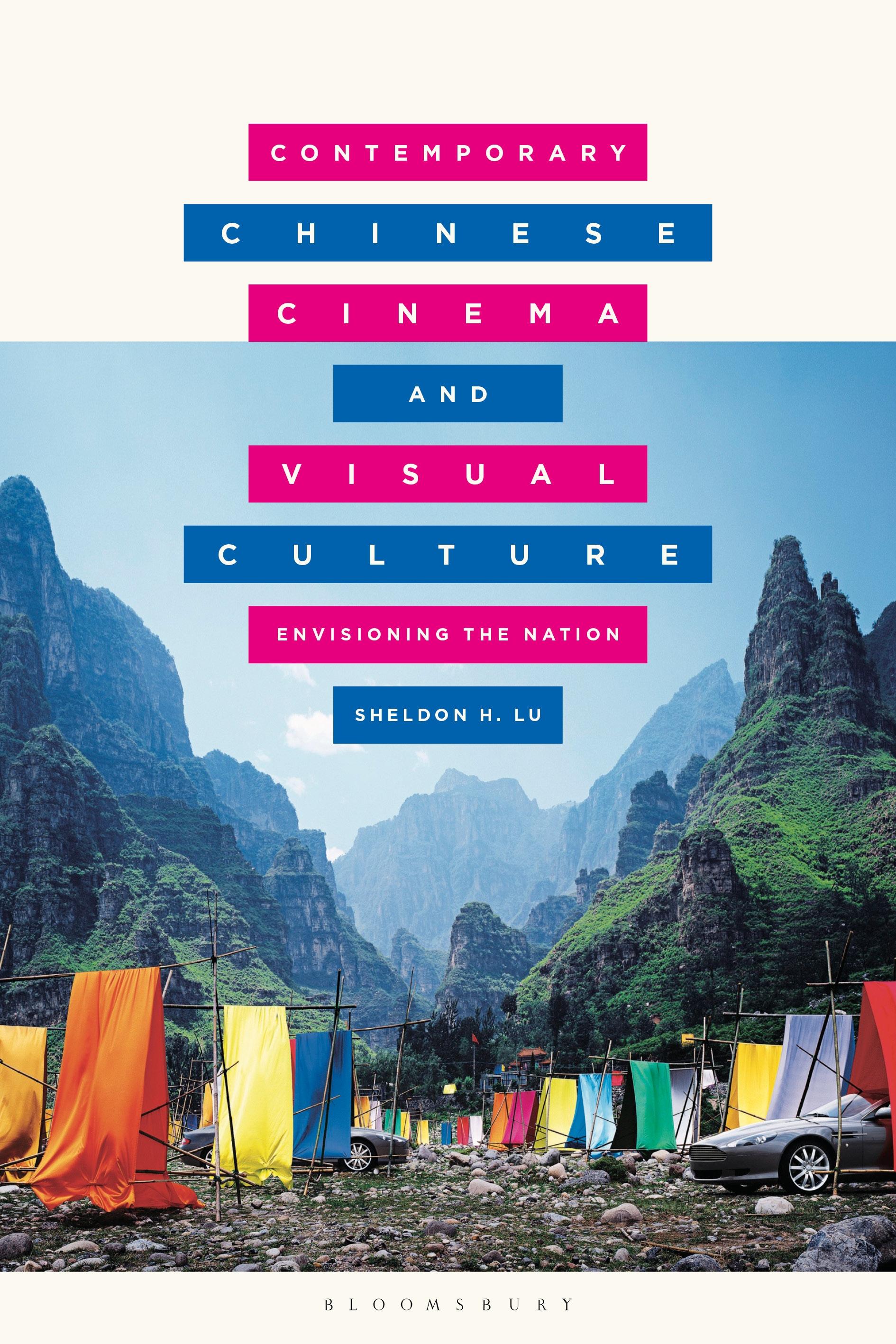
Sheldon Lu's wide-ranging new book investigates how filmmakers and visual artists from mainland China, Hong Kong and Taiwan have envisioned China as it transitions from a socialist to a globalized capitalist state. It examines how the modern nation has been refashioned and re-imagined in order to keep pace with globalization and transnationalism.
At the heart of Lu's analysis is a double movement in the relationship between nation and transnationalism in the Chinese post-socialist state. He considers the complexity of how the Chinese economy is integrated in the global capitalist system while also remaining a repressive body politic with mechanisms of control and surveillance. He explores the interrelations of the local, the national, the subnational, and the global as China repositions itself in the world.
Lu considers examples from feature and documentary film, mainstream and marginal cinema, and a variety of visual arts: photography, painting, digital video, architecture, and installation. His close case studies include representations of class, masculinity and sexuality in contemporary Taiwanese and Chinese cinema; the figure of the sex worker as a symbol of modernity and mobility; and artists' representations of Beijing at the time of the 2008 Olympics.
Sheldon Lu's wide-ranging new book investigates how filmmakers and visual artists from mainland China, Hong Kong and Taiwan have envisioned China as it transitions from a socialist to a globalized capitalist state. It examines how the modern nation has been refashioned and re-imagined in order to keep pace with globalization and transnationalism.
At the heart of Lu's analysis is a double movement in the relationship between nation and transnationalism in the Chinese post-socialist state. He considers the complexity of how the Chinese economy is integrated in the global capitalist system while also remaining a repressive body politic with mechanisms of control and surveillance. He explores the interrelations of the local, the national, the subnational, and the global as China repositions itself in the world.
Lu considers examples from feature and documentary film, mainstream and marginal cinema, and a variety of visual arts: photography, painting, digital video, architecture, and installation. His close case studies include representations of class, masculinity and sexuality in contemporary Taiwanese and Chinese cinema; the figure of the sex worker as a symbol of modernity and mobility; and artists' representations of Beijing at the time of the 2008 Olympics.
Pay easily by card, Klarna, Apple Pay or Google Pay. Not happy? You always have a 14-day money-back guarantee. Read more in our terms. If you have any questions, email us at hello@memmo.org.
Memmo makes studying easier – wherever you are in the world. We bring your course books and smart study tools together in one place: summaries, quizzes, podcasts and flashcards. Plus Ted, your study buddy who answers anything you wonder. Over 50,000 students already study here – built to help you learn faster and stress less.