
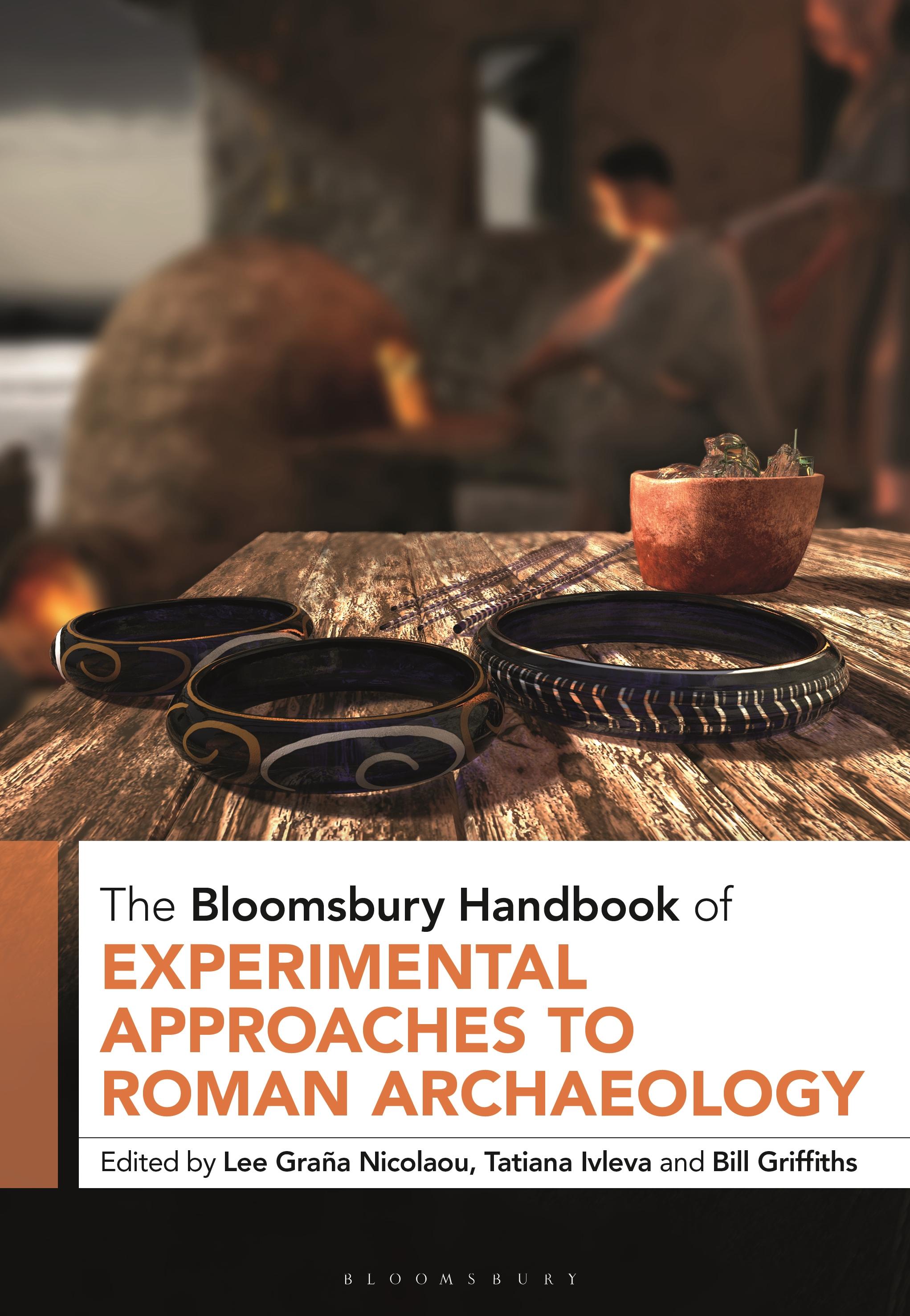
This volume is the first comprehensive overview of Roman experimental archaeology, exploring its key themes, methodologies and applications through a diverse array of international case studies. Experiments, simulations and reconstructions are important methods for understanding the past, from uncovering how ancient objects and structures were made, used, destroyed, deposited and affected underground, to illuminating the experiences of tasting ancient foods, fighting alongside comrades or living in replicated structures. Although the incorporation of experimentation has had great success in prehistoric studies, greater reliance on the wealth of literary and material sources remaining from the classical period has meant that its potential for Roman studies has yet to be fully realised.
The 26 chapters in this book are divided into 5 thematic parts, each of which opens with a contextualizing introduction that frames the detailed case studies found in individual chapters and showcases the actual and potential diversity of experimentation as applied to the Roman past by scholars, re-enactors, and practitioners in the heritage sector. In laying out a detailed guide to Roman experimental archaeology, the volume as a whole maps its past, present and future, and provides a firm foundation for further practical research and collaboration. In doing so, it reasserts that experiments and reconstructions are a significant resource for testing or developing theories, rather than merely artistic replicas, and that the vast amount of quantifiable data they yield can be invaluable in support of interpretations of relevant archaeological or historical evidence, regardless of the period in question and beyond the confines of academia.
The 26 chapters in this book are divided into 5 thematic parts, each of which opens with a contextualizing introduction that frames the detailed case studies found in individual chapters and showcases the actual and potential diversity of experimentation as applied to the Roman past by scholars, re-enactors, and practitioners in the heritage sector. In laying out a detailed guide to Roman experimental archaeology, the volume as a whole maps its past, present and future, and provides a firm foundation for further practical research and collaboration. In doing so, it reasserts that experiments and reconstructions are a significant resource for testing or developing theories, rather than merely artistic replicas, and that the vast amount of quantifiable data they yield can be invaluable in support of interpretations of relevant archaeological or historical evidence, regardless of the period in question and beyond the confines of academia.
Pay easily by card, Klarna, Apple Pay or Google Pay. Not happy? You always have a 14-day money-back guarantee. Read more in our terms. If you have any questions, email us at hello@memmo.org.
Memmo makes studying easier – wherever you are in the world. We bring your course books and smart study tools together in one place: summaries, quizzes, podcasts and flashcards. Plus Ted, your study buddy who answers anything you wonder. Over 75,000 students already study here – built to help you learn faster and stress less.