
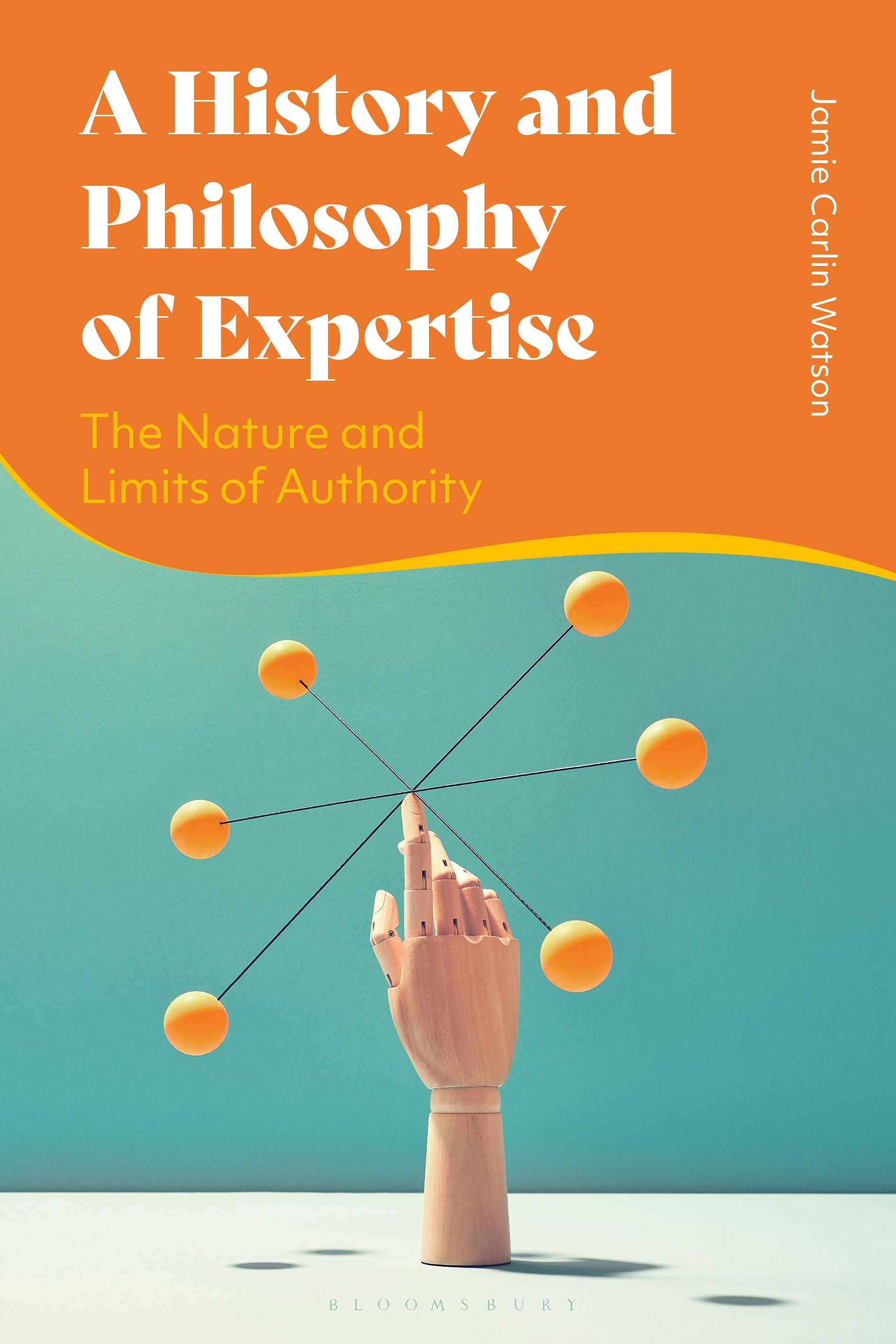
In this comprehensive tour of the long history and philosophy of expertise, from ancient Greece to the 20th century, Jamie Carlin Watson tackles the question of expertise and why we can be skeptical of what experts say, making a valuable contribution to contemporary philosophical debates on authority, testimony, disagreement and trust.
His review sketches out the ancient origins of the concept, discussing its early association with cunning, skill and authority and covering the sort of training that ancient thinkers believed was required for expertise. Watson looks at the evolution of the expert in the middle ages into a type of “genius” or “innate talent” , moving to the role of psychological research in 16th-century Germany, the influence of Darwin, the impact of behaviorism and its interest to computer scientists, and its transformation into the largely cognitive concept psychologists study today.
His review sketches out the ancient origins of the concept, discussing its early association with cunning, skill and authority and covering the sort of training that ancient thinkers believed was required for expertise. Watson looks at the evolution of the expert in the middle ages into a type of “genius” or “innate talent” , moving to the role of psychological research in 16th-century Germany, the influence of Darwin, the impact of behaviorism and its interest to computer scientists, and its transformation into the largely cognitive concept psychologists study today.
Pay easily by card, Klarna, Apple Pay or Google Pay. Not happy? You always have a 14-day money-back guarantee. Read more in our terms. If you have any questions, email us at hello@memmo.org.
Memmo makes studying easier – wherever you are in the world. We bring your course books and smart study tools together in one place: summaries, quizzes, podcasts and flashcards. Plus Ted, your study buddy who answers anything you wonder. Over 50,000 students already study here – built to help you learn faster and stress less.