
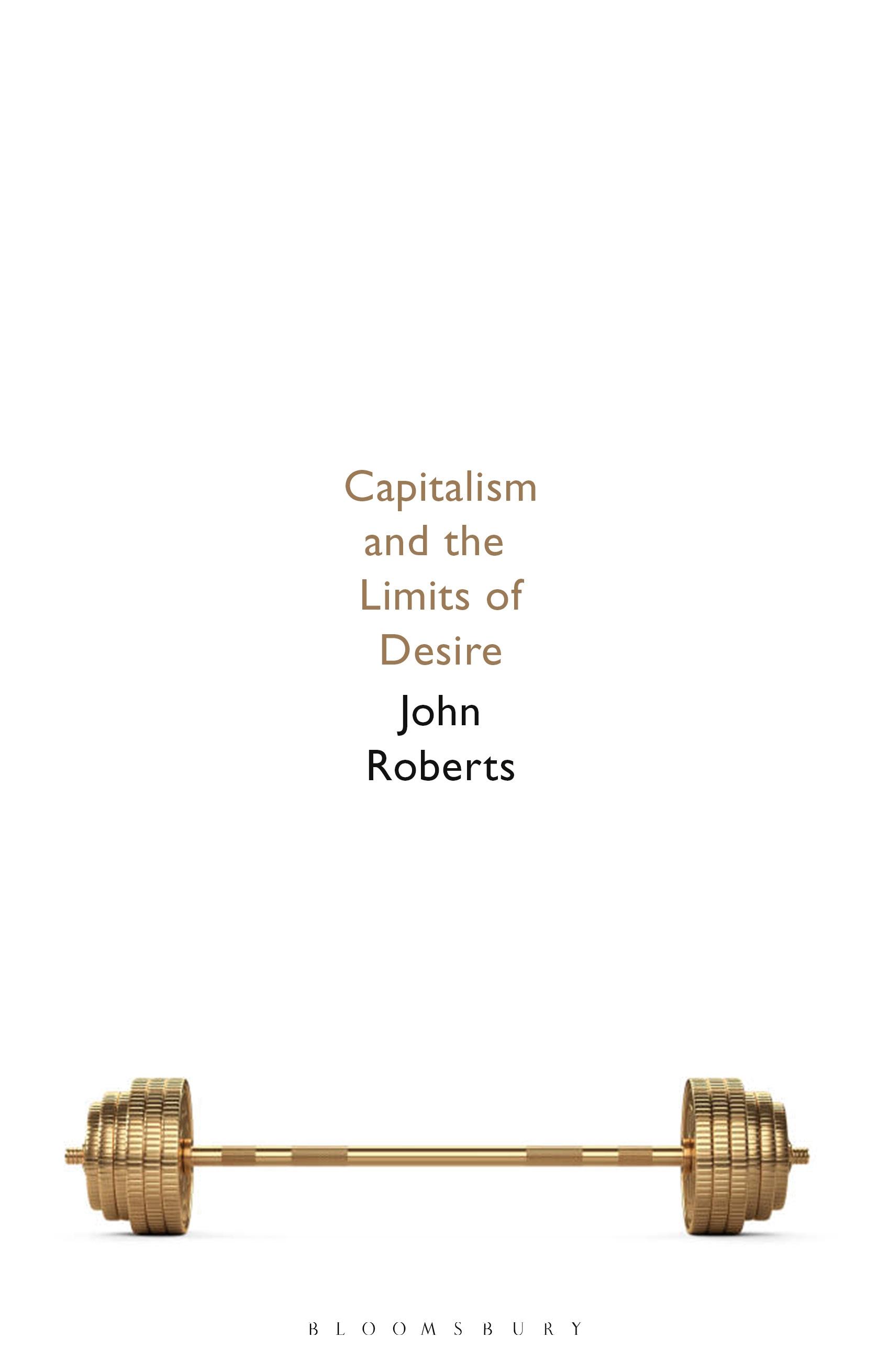
Addressing Spinoza's perennial question: “why do the masses fight for their servitude as if it was salvation?”, Capitalism and the Limits of Desire examines the ways in which self-love as the care of the self has become intertwined with self-love as the pursuit of pleasure.
With ongoing austerity and misery for so many, why does capitalism seem to be so insurmountable, so impossible to move beyond? John Roberts offers a compelling response: it is because we love the love of self that capitalism enables, even though it brings anxiety and self-scrutiny. Capitalism in the form of commodities, and, more importantly, the online platforms through which we express ourselves, has become so much of who we are, of how we define self-love as self-pleasure that it is difficult to imagine ourselves outside of it.
Roberts contends that disentangling ourselves from this collapsing of self into capitalism is possible and that understanding the insidious nature of capitalist thinking even when it comes to our deepest pleasures is the starting point. Using early and late Marx, Lacan's distinction between pleasure and desire and the recent debate on perfectionism (Hurka) as his guides, Roberts lays out a way for individuals to move forward and forge a link between self and desire outside the oppressive demands of platform capitalism.
With ongoing austerity and misery for so many, why does capitalism seem to be so insurmountable, so impossible to move beyond? John Roberts offers a compelling response: it is because we love the love of self that capitalism enables, even though it brings anxiety and self-scrutiny. Capitalism in the form of commodities, and, more importantly, the online platforms through which we express ourselves, has become so much of who we are, of how we define self-love as self-pleasure that it is difficult to imagine ourselves outside of it.
Roberts contends that disentangling ourselves from this collapsing of self into capitalism is possible and that understanding the insidious nature of capitalist thinking even when it comes to our deepest pleasures is the starting point. Using early and late Marx, Lacan's distinction between pleasure and desire and the recent debate on perfectionism (Hurka) as his guides, Roberts lays out a way for individuals to move forward and forge a link between self and desire outside the oppressive demands of platform capitalism.
Pages: 264
Category: Ekonomi & Utveckling
e-ISBN: 9781350214972
Shipping weight: 1.2 kg
Ships in: 1-2 days
Pay easily by card, Klarna, Apple Pay or Google Pay. Not happy? You always have a 14-day money-back guarantee. Read more in our terms. If you have any questions, email us at hello@memmo.org.
Memmo makes studying easier – wherever you are in the world. We bring your course books and smart study tools together in one place: summaries, quizzes, podcasts and flashcards. Plus Ted, your study buddy who answers anything you wonder. Over 50,000 students already study here – built to help you learn faster and stress less.