
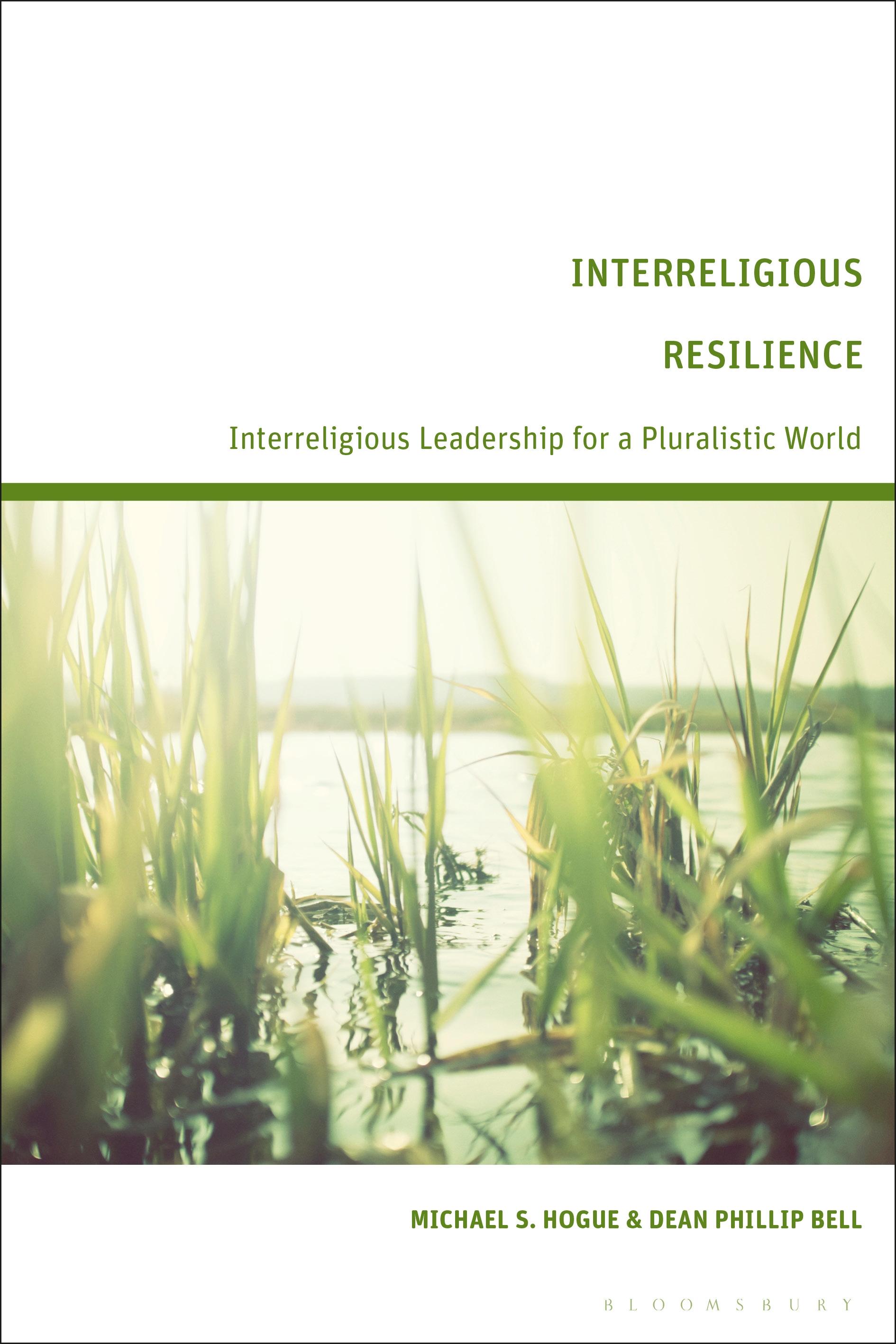
This book introduces the theory of interreligious resilience as a means to developing deeper and more effective interreligious engagement and resilience. Michael S. Hogue and Dean Phillip Bell advocate for interreligious resilience as the ability to grow through encounters with religious difference. They argue that rather than the capacity to endure change and return to a normal status quo, a deeper, more complex resilience is characterized by an ability to learn through disturbances, disruptions, and uncertainty.
This book integrates theory and practice by situating the practical tasks of interreligious engagement in theological and social contexts. It is systemic and multidimensional, rather than staying focused on isolated interreligious issues or interpersonal interreligious encounters.
This book is essential reading for all religious leaders and other community leaders working with religious people in an interreligious world.
This book integrates theory and practice by situating the practical tasks of interreligious engagement in theological and social contexts. It is systemic and multidimensional, rather than staying focused on isolated interreligious issues or interpersonal interreligious encounters.
This book is essential reading for all religious leaders and other community leaders working with religious people in an interreligious world.
Pay easily by card, Klarna, Apple Pay or Google Pay. Not happy? You always have a 14-day money-back guarantee. Read more in our terms. If you have any questions, email us at hello@memmo.org.
Memmo makes studying easier – wherever you are in the world. We bring your course books and smart study tools together in one place: summaries, quizzes, podcasts and flashcards. Plus Ted, your study buddy who answers anything you wonder. Over 50,000 students already study here – built to help you learn faster and stress less.