
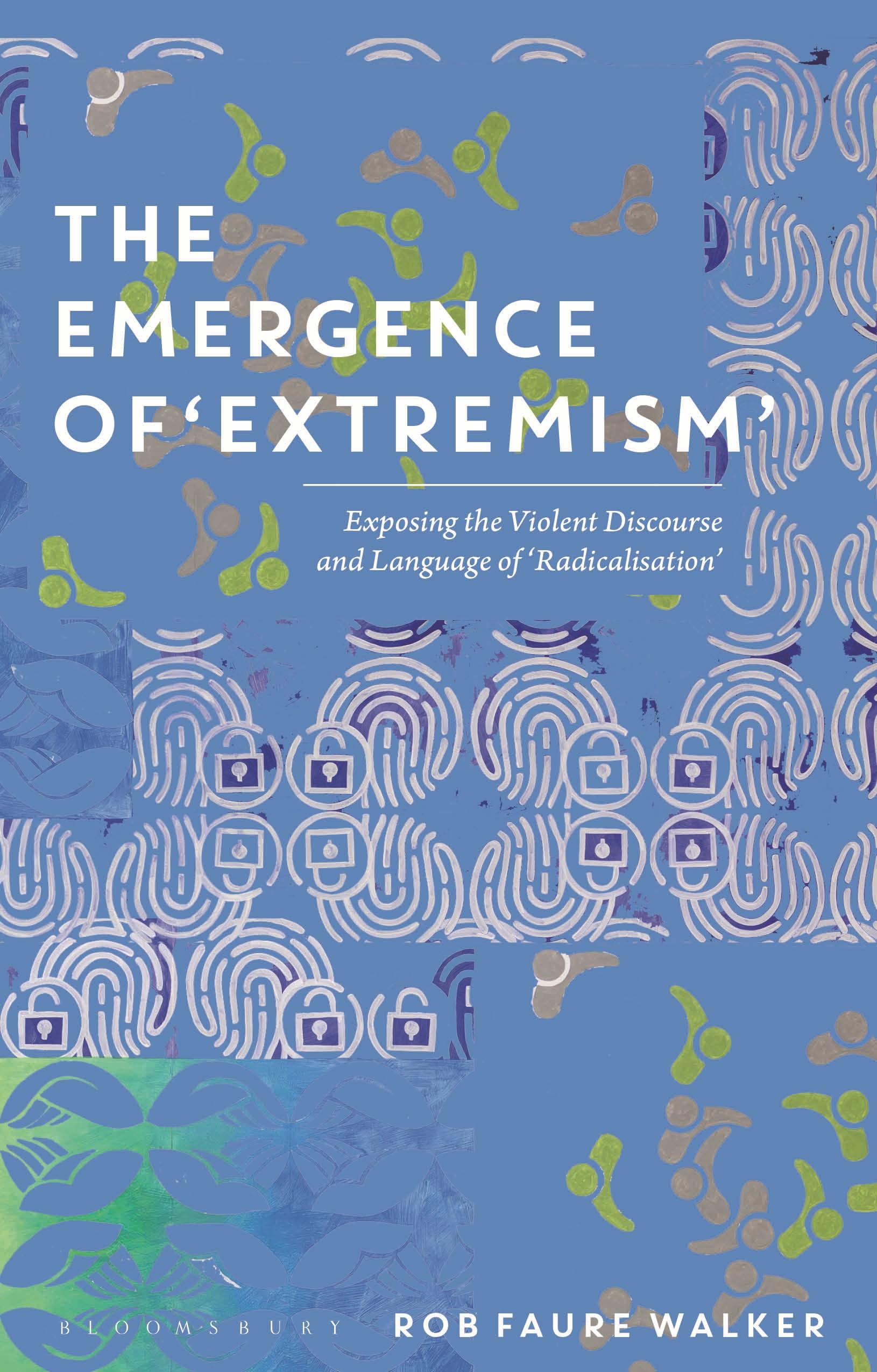
The idea that the expression of radical beliefs is a predictor to future acts of political violence has been a central tenet of counter-extremism over the last two decades. Not only has this imposed a duty upon doctors, lecturers and teachers to inform on the radical beliefs of their patients and students but, as this book argues, it is also a fundamentally flawed concept. Informed by his own experience with the UK's Prevent programme while teaching in a Muslim community, Rob Faure Walker explores the linguistic emergence of 'extremism' in political discourse and the potentially damaging generative effect of this language.
Taking a new approach which combines critical discourse analysis with critical realism, this book shows how the fear of being labelled as an 'extremist' has resulted in counter-terrorism strategies which actually undermine moderating mechanisms in a democracy. Analysing the generative mechanisms by which the language of counter-extremism might actually promote violence, Faure Walker explains how understanding the potentially oppressive properties of language can help us transcend them. The result is an imminent critique of the most pernicious aspects of the global War on Terror, those that are embedded in our everyday language and political discourse. Drawing on the author's own successful lobbying activities against counter-extremism, this book presents a model for how discourse analysis and critical realism can and should engage with the political and how this will affect meaningful change.
Taking a new approach which combines critical discourse analysis with critical realism, this book shows how the fear of being labelled as an 'extremist' has resulted in counter-terrorism strategies which actually undermine moderating mechanisms in a democracy. Analysing the generative mechanisms by which the language of counter-extremism might actually promote violence, Faure Walker explains how understanding the potentially oppressive properties of language can help us transcend them. The result is an imminent critique of the most pernicious aspects of the global War on Terror, those that are embedded in our everyday language and political discourse. Drawing on the author's own successful lobbying activities against counter-extremism, this book presents a model for how discourse analysis and critical realism can and should engage with the political and how this will affect meaningful change.
Pages: 248
Category: Statsvetenskap & Politik
e-ISBN: 9781350199514
Shipping weight: 1.2 kg
Ships in: 1-2 days
Pay easily by card, Klarna, Apple Pay or Google Pay. Not happy? You always have a 14-day money-back guarantee. Read more in our terms. If you have any questions, email us at hello@memmo.org.
Memmo makes studying easier – wherever you are in the world. We bring your course books and smart study tools together in one place: summaries, quizzes, podcasts and flashcards. Plus Ted, your study buddy who answers anything you wonder. Over 50,000 students already study here – built to help you learn faster and stress less.