
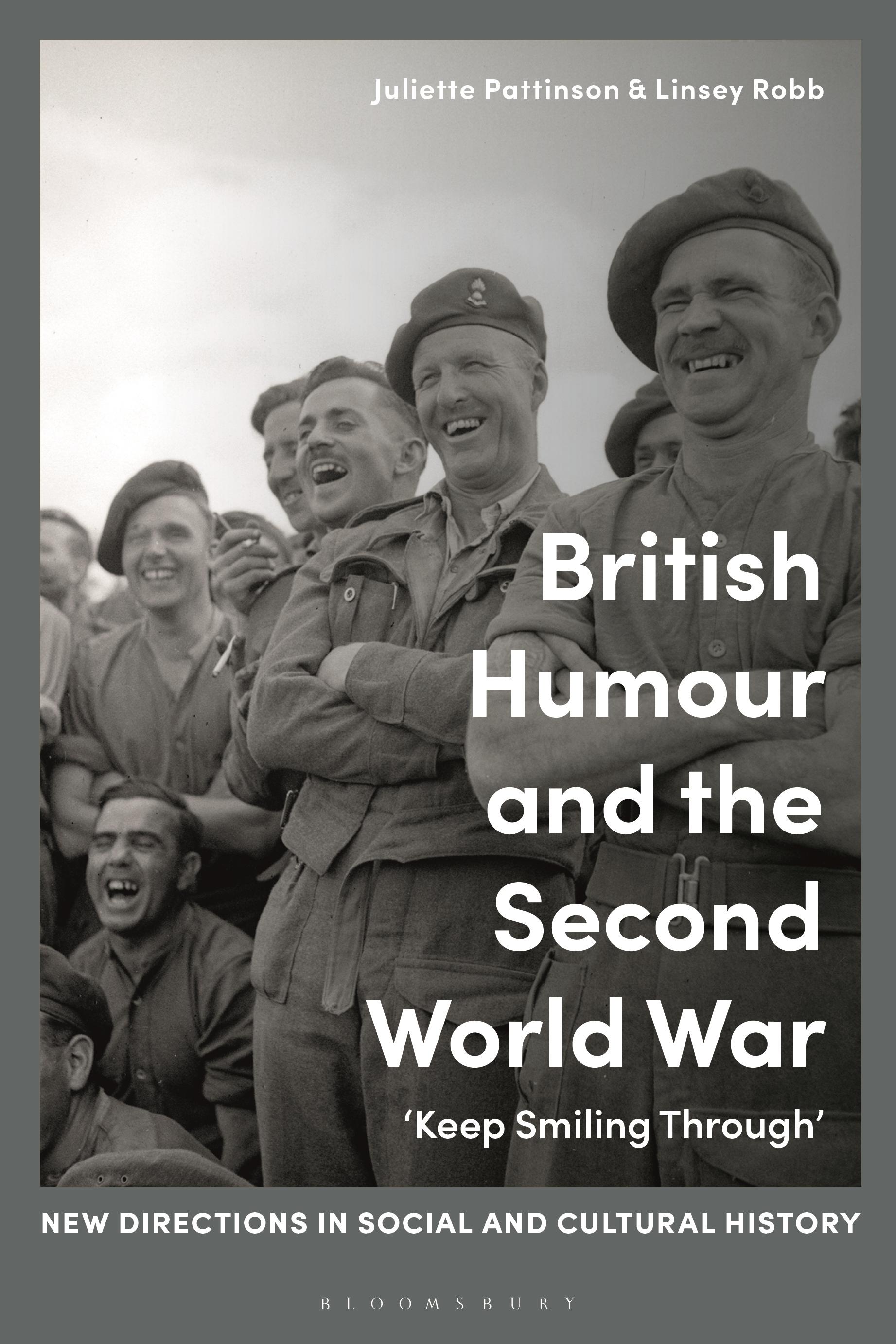
This book skilfully combines cutting-edge historical research by leading and emerging researchers in the field to investigate the utilization of British humour during the Second World War as well as its legacy in British popular culture.
Juliette Pattinson and Linsey Robb bring together case studies that address a variety of situations in which humour was generated, including wartime jokes, films, radio, cartoons and private drawings, as well as post-war recollections, museum exhibitions and television comedy. By adopting an original interpretative framework of various wartime and post-war sites, this books opens up the possibility for a more variegated, richer analysis of Britain's wartime experience and its place thereafter in the cultural imagination.
Through the lens of humour, this book promises to add critical nuance to our understanding of the functioning of British wartime society. Covering sources such as The British Cartoon Archive, BBC World War II People's War Archive and The Ministry of Information, and including analysis of the lasting role of comedy in Britain's memories and depictions of the war, the result is a rich addition to existing literature of use to students and scholars studying the cultural history of war.
Juliette Pattinson and Linsey Robb bring together case studies that address a variety of situations in which humour was generated, including wartime jokes, films, radio, cartoons and private drawings, as well as post-war recollections, museum exhibitions and television comedy. By adopting an original interpretative framework of various wartime and post-war sites, this books opens up the possibility for a more variegated, richer analysis of Britain's wartime experience and its place thereafter in the cultural imagination.
Through the lens of humour, this book promises to add critical nuance to our understanding of the functioning of British wartime society. Covering sources such as The British Cartoon Archive, BBC World War II People's War Archive and The Ministry of Information, and including analysis of the lasting role of comedy in Britain's memories and depictions of the war, the result is a rich addition to existing literature of use to students and scholars studying the cultural history of war.
Pay easily by card, Klarna, Apple Pay or Google Pay. Not happy? You always have a 14-day money-back guarantee. Read more in our terms. If you have any questions, email us at hello@memmo.org.
Memmo makes studying easier – wherever you are in the world. We bring your course books and smart study tools together in one place: summaries, quizzes, podcasts and flashcards. Plus Ted, your study buddy who answers anything you wonder. Over 50,000 students already study here – built to help you learn faster and stress less.