
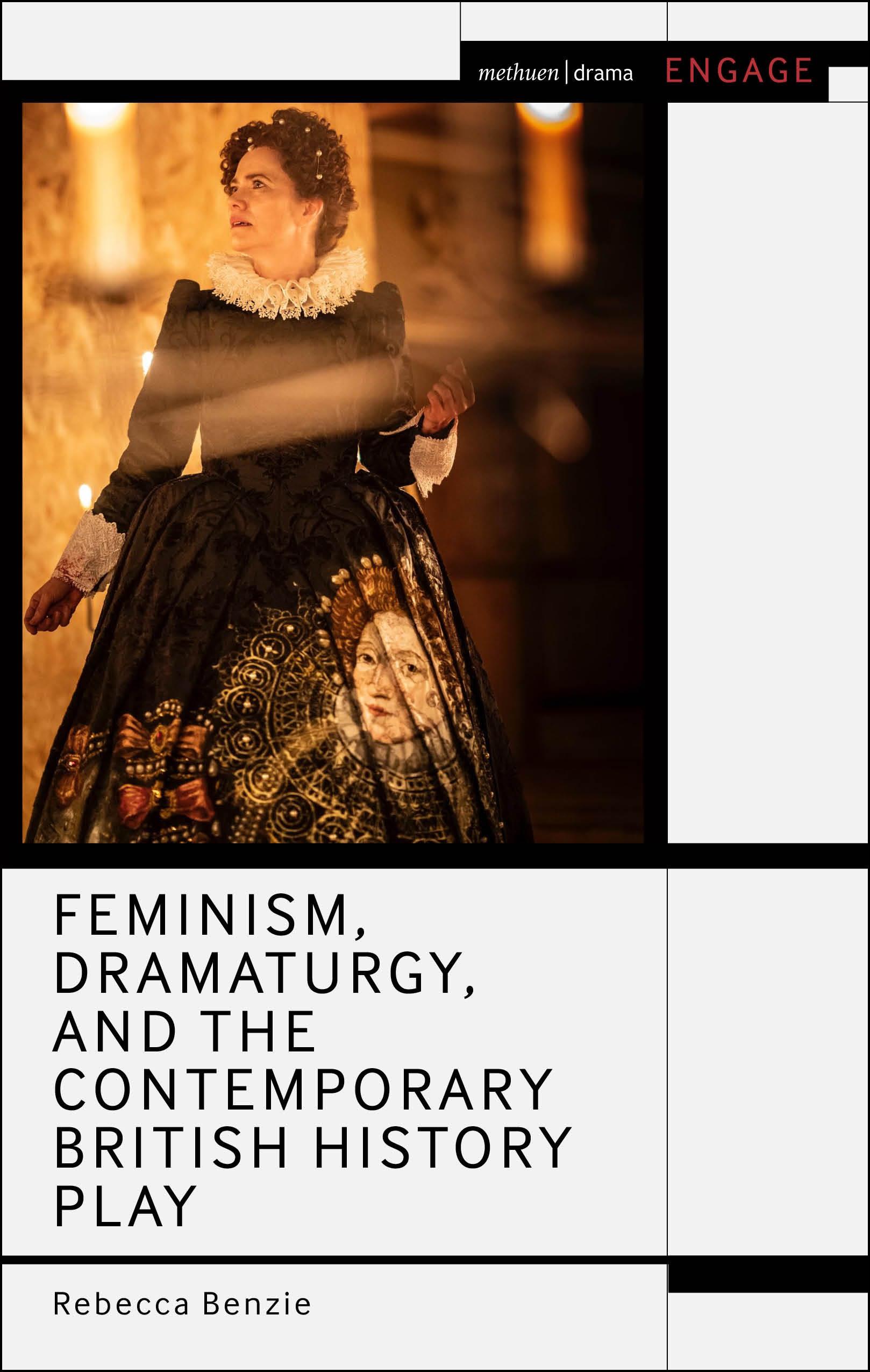
When we think of the contemporary British history play, why might we automatically think of playwrights such as David Hare, Howard Brenton, Peter Gill and Edward Bond? Because for decades the writing of the history play has been the preserve of the white male.
This book provides a vital feminist intervention into the dramaturgy of history plays, investigating work produced at major British theatres from 2000 to the present, written by a generation of innovative women playwrights.
This much-needed study explores the use of history – specifically Elizabethan, Restoration, Victorian and early 20th century – in contemporary playwriting in order to interrogate the gender politics of this work. Within the framework of contemporary feminism – including the pivotal #MeToo movement – the book looks at post-2000s feminist drama that somehow represents the past.
Through delving into the recurring tropes and their politics in the light of current feminist debate, the author helps us grasp how these plays essentially re-imagine gender politics. Plays that are considered include Emilia (Morgan Lloyd Malcolm), Swive [Elizabeth] (Ella Hickson), An August Bank Holiday Lark (Deborah McAndrew), The Empress (Tanika Gupta), Red Velvet (Lolita Chakrabarti), Scuttlers (Rona Munro), I, Joan (Charlie Josephine), Blue Stockings and Nell Gwynn (Jessica Swale), and the musical Six (Toby Marlow and Lucy Moss).
This book provides a vital feminist intervention into the dramaturgy of history plays, investigating work produced at major British theatres from 2000 to the present, written by a generation of innovative women playwrights.
This much-needed study explores the use of history – specifically Elizabethan, Restoration, Victorian and early 20th century – in contemporary playwriting in order to interrogate the gender politics of this work. Within the framework of contemporary feminism – including the pivotal #MeToo movement – the book looks at post-2000s feminist drama that somehow represents the past.
Through delving into the recurring tropes and their politics in the light of current feminist debate, the author helps us grasp how these plays essentially re-imagine gender politics. Plays that are considered include Emilia (Morgan Lloyd Malcolm), Swive [Elizabeth] (Ella Hickson), An August Bank Holiday Lark (Deborah McAndrew), The Empress (Tanika Gupta), Red Velvet (Lolita Chakrabarti), Scuttlers (Rona Munro), I, Joan (Charlie Josephine), Blue Stockings and Nell Gwynn (Jessica Swale), and the musical Six (Toby Marlow and Lucy Moss).
Pay easily by card, Klarna, Apple Pay or Google Pay. Not happy? You always have a 14-day money-back guarantee. Read more in our terms. If you have any questions, email us at hello@memmo.org.
Memmo makes studying easier – wherever you are in the world. We bring your course books and smart study tools together in one place: summaries, quizzes, podcasts and flashcards. Plus Ted, your study buddy who answers anything you wonder. Over 75,000 students already study here – built to help you learn faster and stress less.