
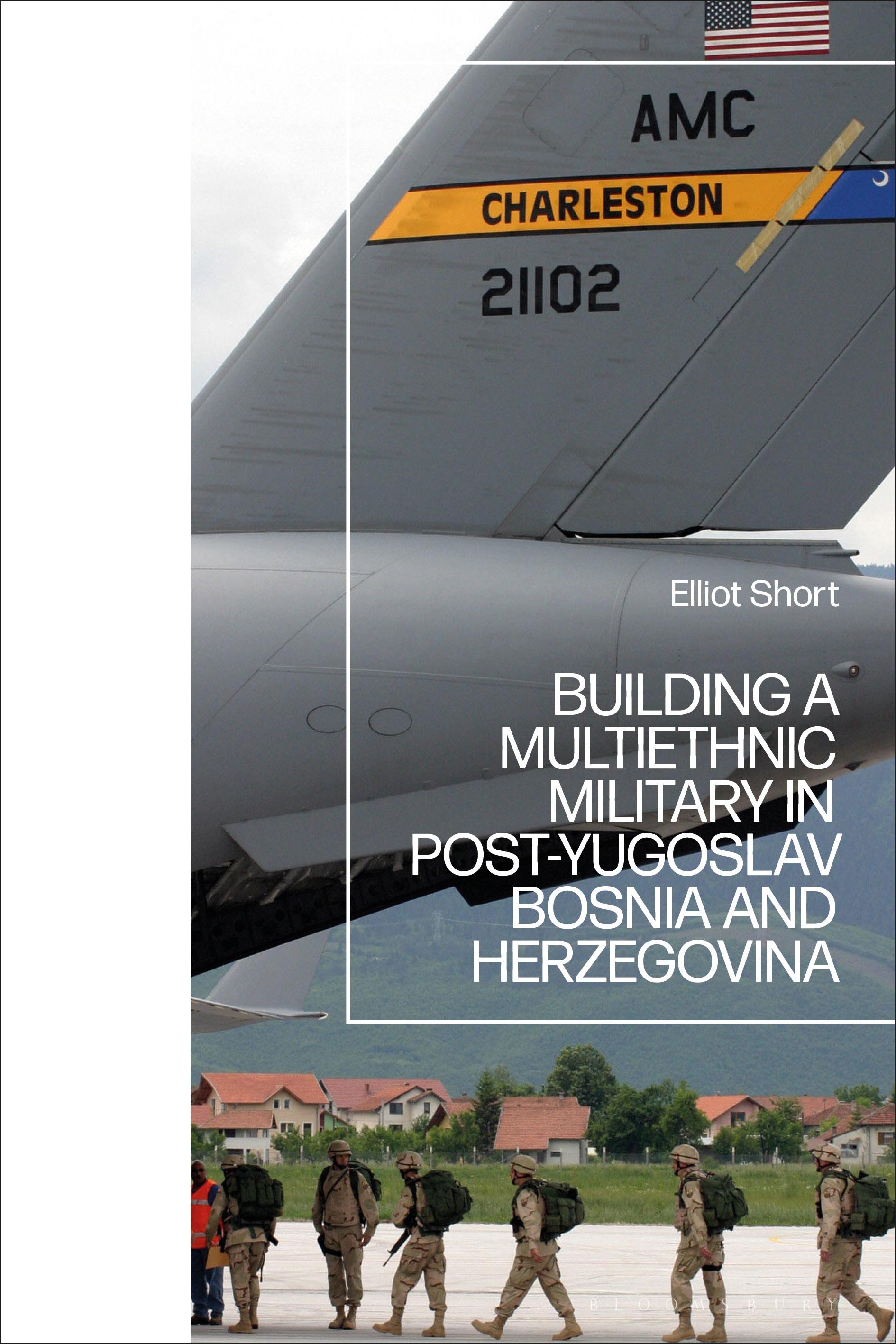
On 1 January 2006, soldiers from across Bosnia and Herzegovina gathered to mark the official formation of a unified army; and yet, little over a decade before, these men had been each other's adversaries during the vicious conflict which left the Balkan state divided and impoverished. Building a Multi-Ethnic Military in Post-Yugoslav Bosnia and Herzegovina offers the first analysis of the armed forces during times of peace-building in Bosnia and Herzegovina.
This sophisticated study assesses Yugoslav efforts to build a multi-ethnic military during the socialist period, charts the developments of the armies that fought in the war, and offers a detailed account of the post-war international initiatives that led to the creation of the Armed Forces of Bosnia and Herzegovina. At this point, the military became the largest multi-ethnic institution in the country and was regarded as a model for the rest of Bosnian society to follow. As such, as Elliot Short adroitly contends, this multi-ethnic army became the most significant act in stabilising the country since the end of the Bosnian War.
Drawing upon a wealth of primary sources – including interviews with leading diplomats and archival documents made available in English for the first time – this book explores the social and political role of the Bosnian military and in doing so provides fresh insight into the Yugoslav Wars, statehood and national identity, and peace-building in modern European history.
This sophisticated study assesses Yugoslav efforts to build a multi-ethnic military during the socialist period, charts the developments of the armies that fought in the war, and offers a detailed account of the post-war international initiatives that led to the creation of the Armed Forces of Bosnia and Herzegovina. At this point, the military became the largest multi-ethnic institution in the country and was regarded as a model for the rest of Bosnian society to follow. As such, as Elliot Short adroitly contends, this multi-ethnic army became the most significant act in stabilising the country since the end of the Bosnian War.
Drawing upon a wealth of primary sources – including interviews with leading diplomats and archival documents made available in English for the first time – this book explores the social and political role of the Bosnian military and in doing so provides fresh insight into the Yugoslav Wars, statehood and national identity, and peace-building in modern European history.
Pages: 272
Category: Statsvetenskap & Politik
e-ISBN: 9781350190955
Shipping weight: 1.2 kg
Ships in: 1-2 days
Pay easily by card, Klarna, Apple Pay or Google Pay. Not happy? You always have a 14-day money-back guarantee. Read more in our terms. If you have any questions, email us at hello@memmo.org.
Memmo makes studying easier – wherever you are in the world. We bring your course books and smart study tools together in one place: summaries, quizzes, podcasts and flashcards. Plus Ted, your study buddy who answers anything you wonder. Over 50,000 students already study here – built to help you learn faster and stress less.