
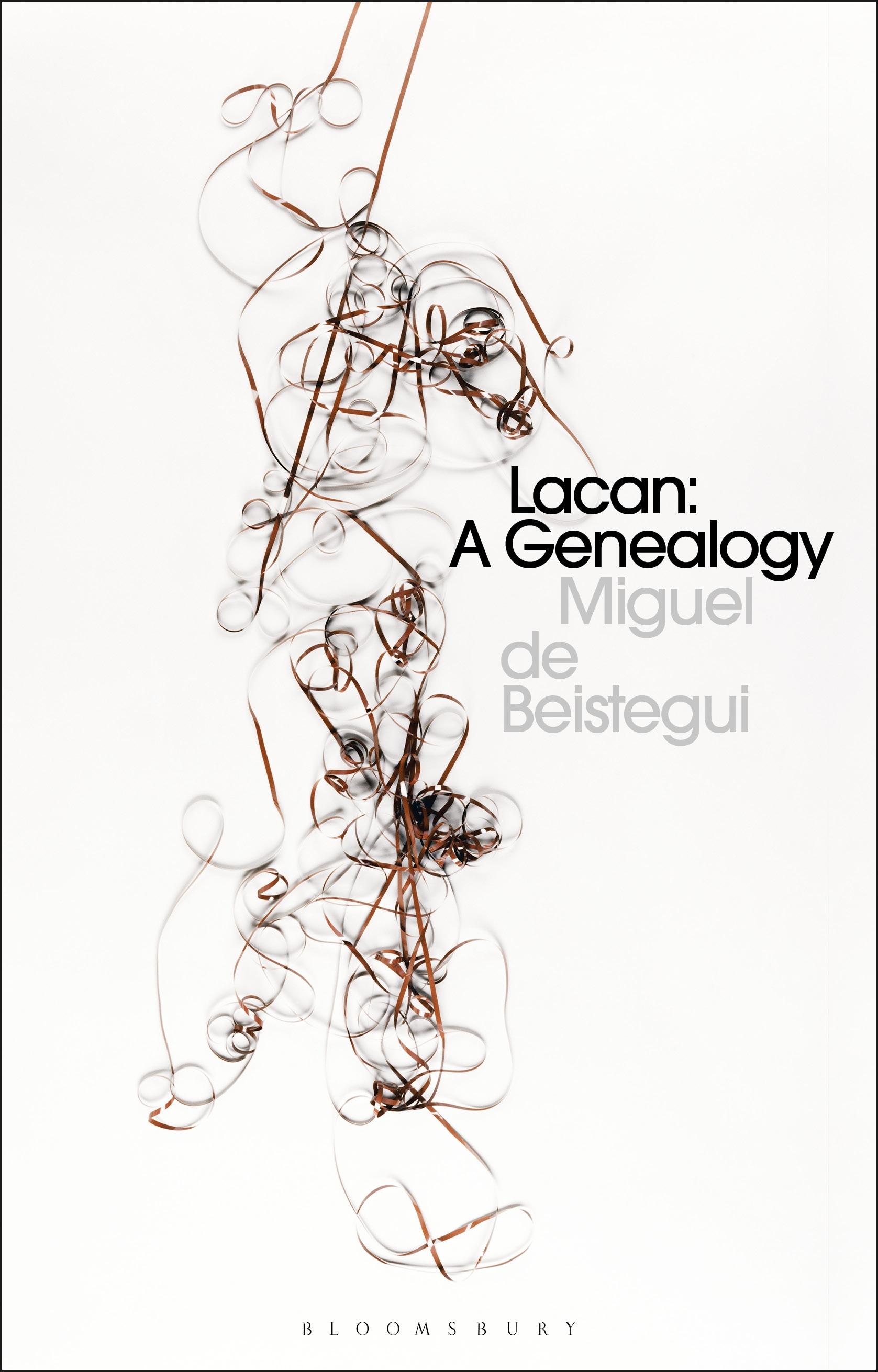
Lacan: A Genealogy provides a genealogical account of Lacan's work as a whole, from his early writings on paranoid psychosis to his later work on the real and surplus enjoyment.
Beistegui argues that Lacan's work requires an in-depth genealogy to chart and interpret the his key concept of desire. The genealogy is both a historical and critical approach, inspired by Foucault, which consists in asking how – that is, by what theoretical and practical transformations, by the emergence of which discourses of truth, which institutions, and which power relations – our current subjectivity was shaped. Desire is a crucial thread throughout because it lies at the heart not only of liberal political economy, psychiatry and psychopathology, and the various discourses of recognition (from philosophy to psychology and the law) that shape our current politics of identity, but also, and more importantly, of the manner in which we understand, experience and indeed govern ourselves, ethically and politically.
A novel reading of Lacan that foregrounds the radicality and urgency of his concepts and the relationship between desire, norm and the law.
Beistegui argues that Lacan's work requires an in-depth genealogy to chart and interpret the his key concept of desire. The genealogy is both a historical and critical approach, inspired by Foucault, which consists in asking how – that is, by what theoretical and practical transformations, by the emergence of which discourses of truth, which institutions, and which power relations – our current subjectivity was shaped. Desire is a crucial thread throughout because it lies at the heart not only of liberal political economy, psychiatry and psychopathology, and the various discourses of recognition (from philosophy to psychology and the law) that shape our current politics of identity, but also, and more importantly, of the manner in which we understand, experience and indeed govern ourselves, ethically and politically.
A novel reading of Lacan that foregrounds the radicality and urgency of his concepts and the relationship between desire, norm and the law.
Pay easily by card, Klarna, Apple Pay or Google Pay. Not happy? You always have a 14-day money-back guarantee. Read more in our terms. If you have any questions, email us at hello@memmo.org.
Memmo makes studying easier – wherever you are in the world. We bring your course books and smart study tools together in one place: summaries, quizzes, podcasts and flashcards. Plus Ted, your study buddy who answers anything you wonder. Over 50,000 students already study here – built to help you learn faster and stress less.