
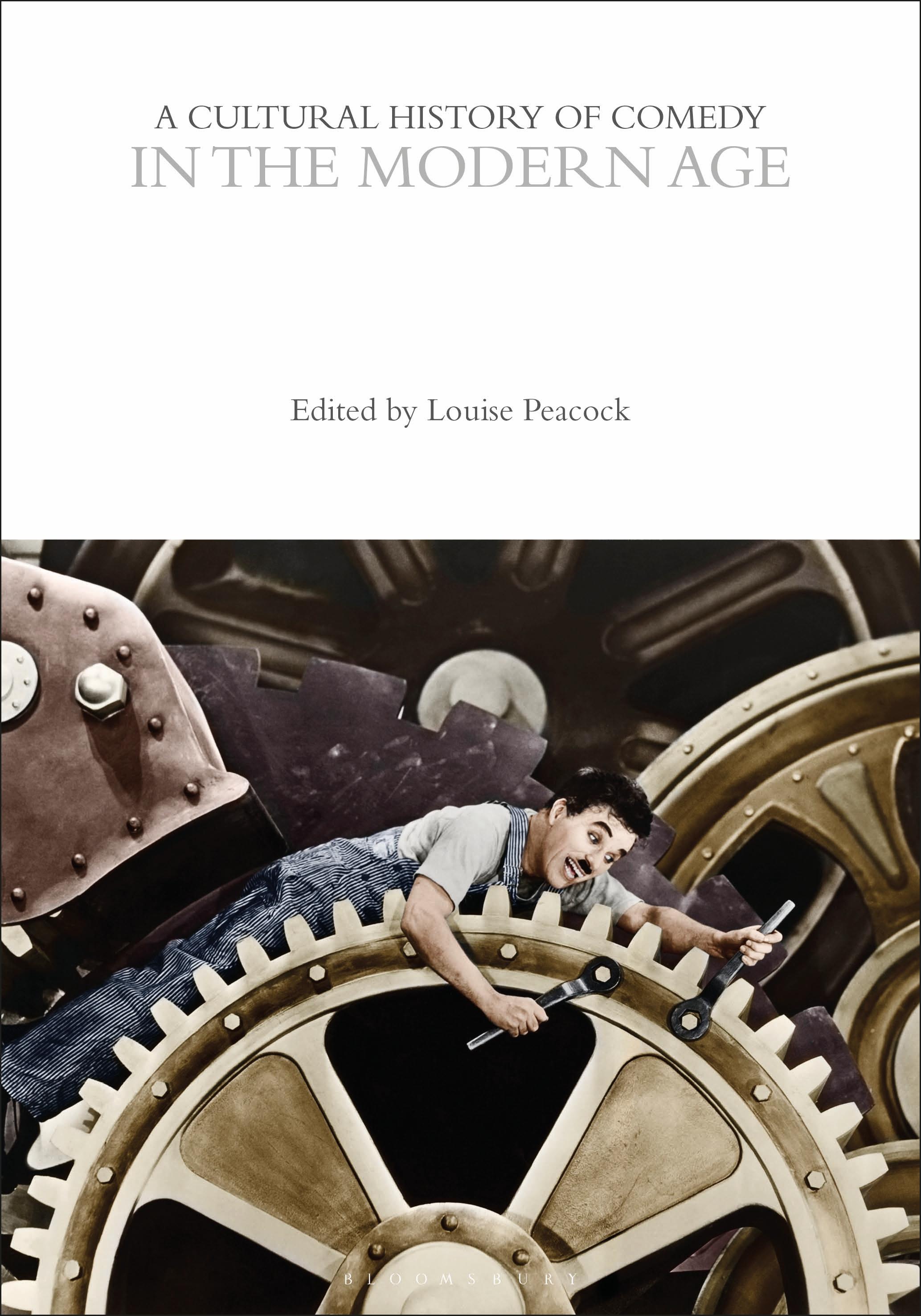
Drawing together contributions by scholars from a variety of fields, including theater, film and television, sociology, and visual culture, this volume explores the range and diversity of comedic performance and comic forms in the modern age. It covers a range of forms and examples from 1920 to the present day, including plays, film, television comedy, live comedy, and comedy on social media. It argues that the period covered was marked by an explosion of comic forms and a flowering of comic creativity across a range of media. From the communal watching of silent films at the start of the period, to the use of Twitter and other online platforms to share and comment on comedy, technology has brought about significant changes in its form, consumption, and social effects. As comic forms have shifted and developed, so too have attitudes to what comedy can and cannot do. This study considers its role in entertainment and in provoking consideration of a range of social and political topics.
Each chapter takes a different theme as its focus: form, theory, praxis, identities, the body, politics and power, laughter, and ethics. These eight different approaches to comedy add up to an extensive, synoptic coverage of the subject.
Each chapter takes a different theme as its focus: form, theory, praxis, identities, the body, politics and power, laughter, and ethics. These eight different approaches to comedy add up to an extensive, synoptic coverage of the subject.
Pay easily by card, Klarna, Apple Pay or Google Pay. Not happy? You always have a 14-day money-back guarantee. Read more in our terms. If you have any questions, email us at hello@memmo.org.
Memmo makes studying easier – wherever you are in the world. We bring your course books and smart study tools together in one place: summaries, quizzes, podcasts and flashcards. Plus Ted, your study buddy who answers anything you wonder. Over 75,000 students already study here – built to help you learn faster and stress less.