
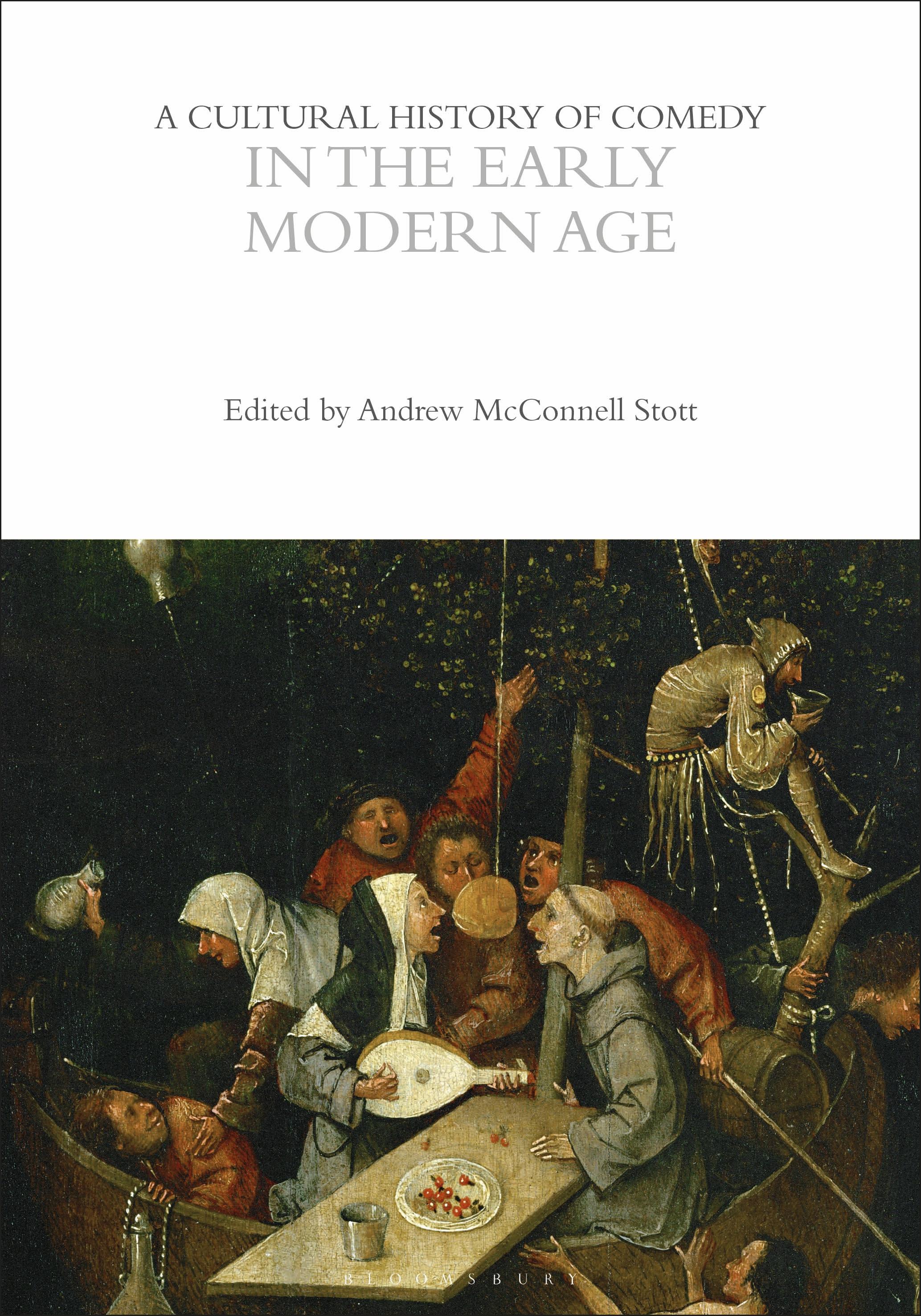
Drawing together scholars with a wide range of expertise across the early modern period, this volume explores the rich field of early modern comedy in all its variety. It argues that early modern comedy was shaped by a series of cultural transformations that included the emergence of the entertainment industry, the rise of the professional comedian, extended commentaries on the nature of comedy and laughter, and the development of printed jestbooks. It was the prime site from which to satirize a rapidly-changing world and explore the formation of new social relations around questions of gender, authority, identity, and commerce, amongst others. Yet even as it reacted to the novel and the new, comedy also served as a receptacle for the celebration of older social rituals such as May games and seasonal festivities. The result was a complex and contested mix of texts, performances, and concepts providing a deep tradition that abides to this day.
Each chapter takes a different theme as its focus: form, theory, praxis, identities, the body, politics and power, laughter and ethics. These eight different approaches to early modern comedy add up to an extensive, synoptic coverage of the subject.
Each chapter takes a different theme as its focus: form, theory, praxis, identities, the body, politics and power, laughter and ethics. These eight different approaches to early modern comedy add up to an extensive, synoptic coverage of the subject.
Pay easily by card, Klarna, Apple Pay or Google Pay. Not happy? You always have a 14-day money-back guarantee. Read more in our terms. If you have any questions, email us at hello@memmo.org.
Memmo makes studying easier – wherever you are in the world. We bring your course books and smart study tools together in one place: summaries, quizzes, podcasts and flashcards. Plus Ted, your study buddy who answers anything you wonder. Over 75,000 students already study here – built to help you learn faster and stress less.