
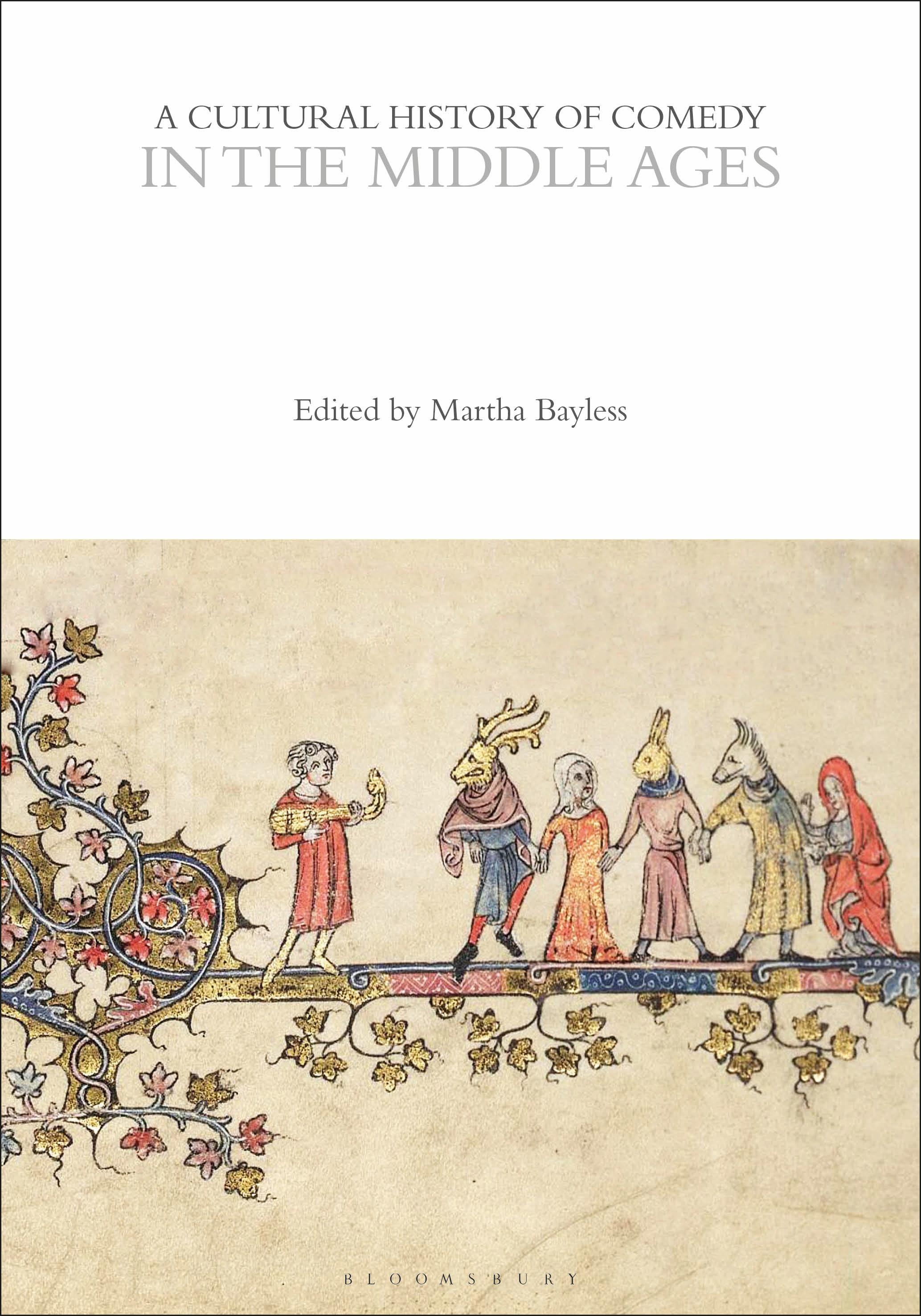
Comedy and humor flourished in manifold forms in the Middle Ages. This volume, covering the period from 1000 to 1400 CE, examines the themes, practice, and effects of medieval comedy, from the caustic morality of principled satire to the exuberant improprieties of many wildly popular tales of sex and trickery. The analysis includes the most influential authors of the age, such as Chaucer, Boccaccio, Juan Ruiz, and Hrothswitha of Gandersheim, as well as lesser-known works and genres, such as songs of insult, nonsense-texts, satirical church paintings, topical jokes, and obscene pilgrim badges. The analysis touches on most of the literatures of medieval Europe, including a discussion of the formal attitudes toward humor in Christian, Jewish, and Islamic traditions. The volume demonstrates the many ways in which medieval humor could be playful, casual, sophisticated, important, subversive, and even dangerous.
Each chapter takes a different theme as its focus: form, theory, praxis, identities, the body, politics and power, laughter, and ethics.
Each chapter takes a different theme as its focus: form, theory, praxis, identities, the body, politics and power, laughter, and ethics.
Pay easily by card, Klarna, Apple Pay or Google Pay. Not happy? You always have a 14-day money-back guarantee. Read more in our terms. If you have any questions, email us at hello@memmo.org.
Memmo makes studying easier – wherever you are in the world. We bring your course books and smart study tools together in one place: summaries, quizzes, podcasts and flashcards. Plus Ted, your study buddy who answers anything you wonder. Over 50,000 students already study here – built to help you learn faster and stress less.