
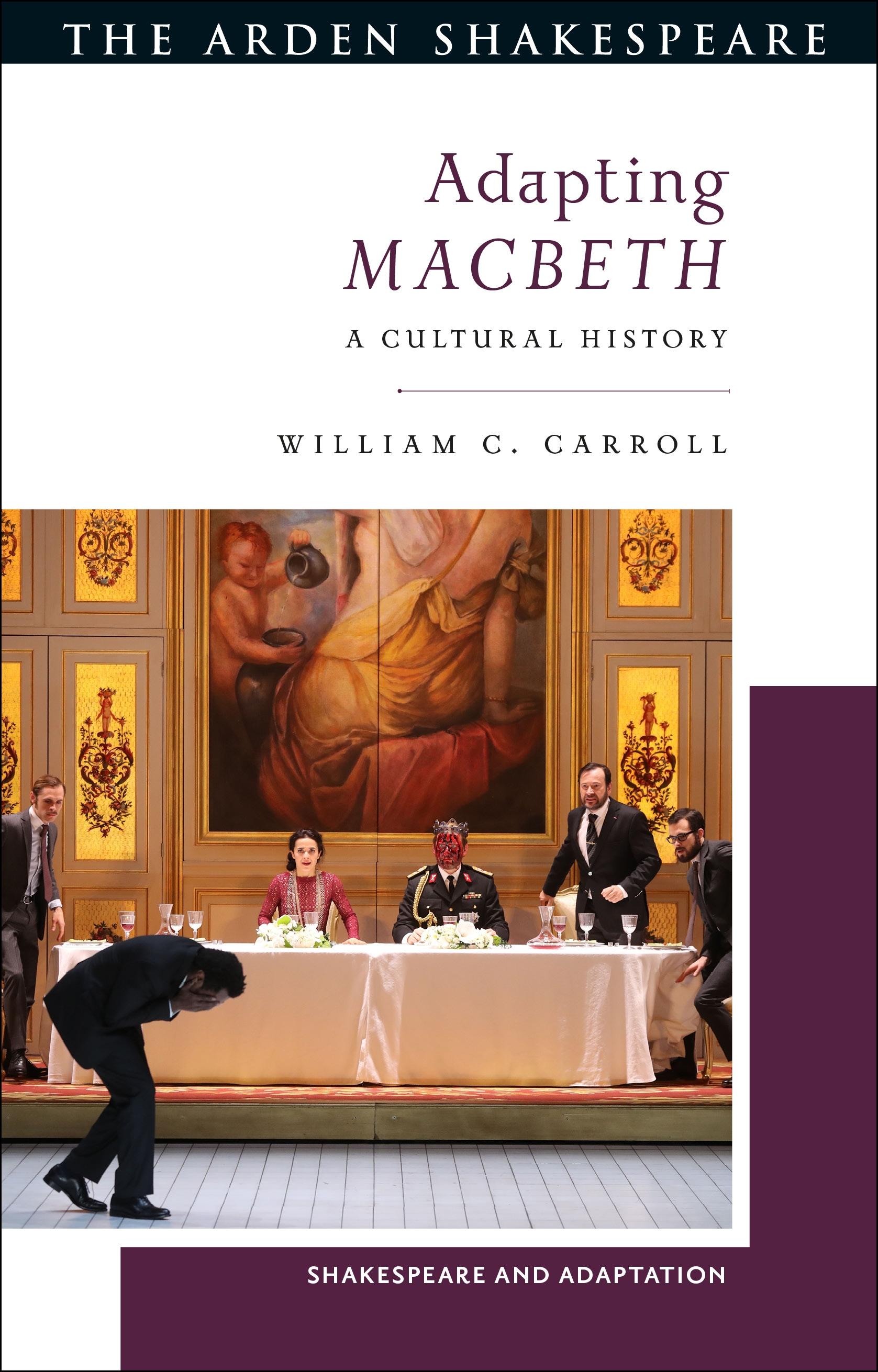
In this study, William C. Carroll analyses a wide range of adaptations and appropriations of Macbeth across different media to consider what it is about the play that compels our desire to reshape it. Arguing that many of these adaptations attempt to 'improve' or 'correct' the play's perceived political or aesthetic flaws, Carroll traces how Macbeth's popularity and adaptability stems from several of its formal features: its openly political nature; its inclusion of supernatural elements; its parable of the dangers of ambition; its violence; its brevity; and its domestic focus on a husband and wife.
The study ranges across elite and popular culture divides: from Sir William Davenant's adaptation for the Restoration stage (1663–4), an early 18th-century novel, The Secret History of Mackbeth and Verdi's Macbeth, through to 20th- and 21st-century adaptations for stage and screen, as well as contemporary novelizations, young adult literature and commercial appropriations that testify to the play's absorption into contemporary culture.
The study ranges across elite and popular culture divides: from Sir William Davenant's adaptation for the Restoration stage (1663–4), an early 18th-century novel, The Secret History of Mackbeth and Verdi's Macbeth, through to 20th- and 21st-century adaptations for stage and screen, as well as contemporary novelizations, young adult literature and commercial appropriations that testify to the play's absorption into contemporary culture.
Pay easily by card, Klarna, Apple Pay or Google Pay. Not happy? You always have a 14-day money-back guarantee. Read more in our terms. If you have any questions, email us at hello@memmo.org.
Memmo makes studying easier – wherever you are in the world. We bring your course books and smart study tools together in one place: summaries, quizzes, podcasts and flashcards. Plus Ted, your study buddy who answers anything you wonder. Over 75,000 students already study here – built to help you learn faster and stress less.