
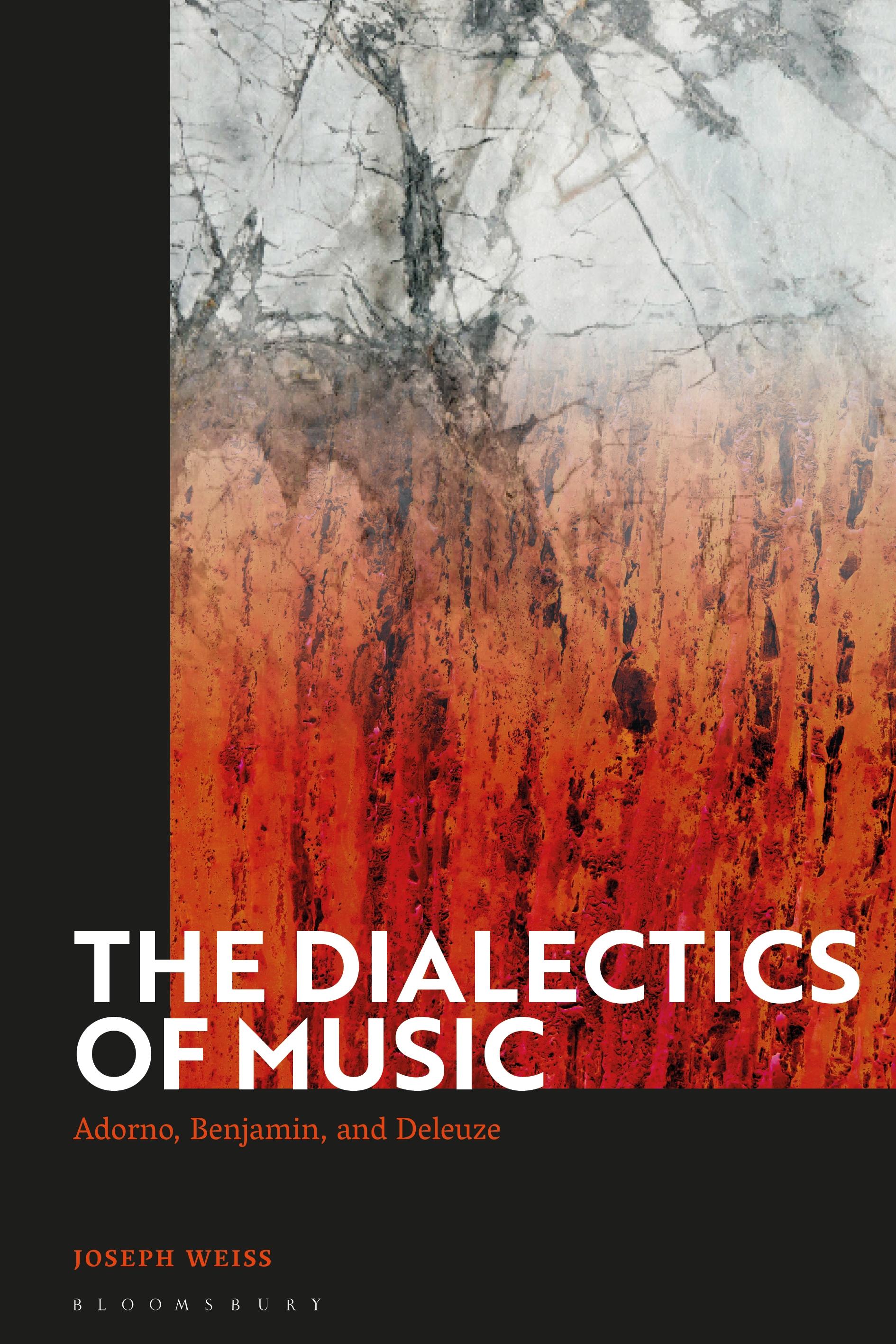
Combining the philosophy and musicology of T.W. Adorno, Walter Benjamin, and Gilles Deleuze, alongside an exploration of the dialectical character of music production, Joseph Weiss exposes the unresolved contradictions of contemporary music.
By following the outermost mediations between nature, history, and technology, the book reflects on how advanced music critically responds to the ongoing catastrophe of both the Middle Passage and Auschwitz. Following what the author calls the “categorical imperative” of music, Weiss investigates the significance of a wide range of musical phenomena including the territorialization of the lullaby, the improvisation and sorrow song of the blues and jazz, as well as the cosmological limits of the electroacoustic avant-garde. In the era of commodity production, racialized violence and dispossession, the author defends critical music as a singular index of political possibilities.
By following the outermost mediations between nature, history, and technology, the book reflects on how advanced music critically responds to the ongoing catastrophe of both the Middle Passage and Auschwitz. Following what the author calls the “categorical imperative” of music, Weiss investigates the significance of a wide range of musical phenomena including the territorialization of the lullaby, the improvisation and sorrow song of the blues and jazz, as well as the cosmological limits of the electroacoustic avant-garde. In the era of commodity production, racialized violence and dispossession, the author defends critical music as a singular index of political possibilities.
Pay easily by card, Klarna, Apple Pay or Google Pay. Not happy? You always have a 14-day money-back guarantee. Read more in our terms. If you have any questions, email us at hello@memmo.org.
Memmo makes studying easier – wherever you are in the world. We bring your course books and smart study tools together in one place: summaries, quizzes, podcasts and flashcards. Plus Ted, your study buddy who answers anything you wonder. Over 50,000 students already study here – built to help you learn faster and stress less.