
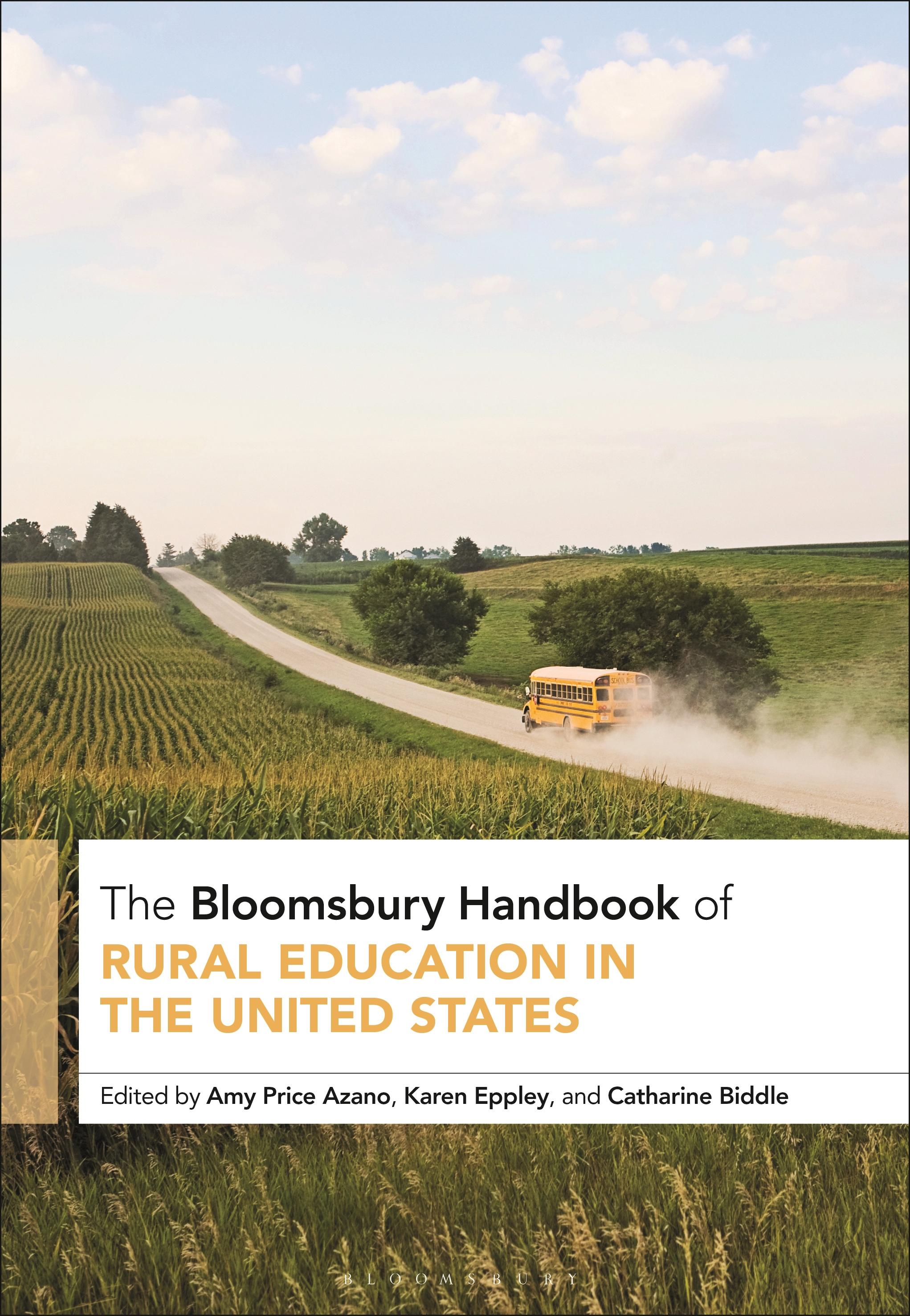
This handbook begins with a foundational overview of rural education, examining the ways in which definitions, histories, policies, and demographic changes influence rural schools. This foundational approach includes how corporatization, population changes, poverty, and the role of data affect everyday learning in rural schools. In following sections, the contributors consider how school closures, charter schools, and district governance influence decision making in rural schooling, while also examining the influence of these structures on higher education attainment, rural school partnerships, and school leadership. They explore curriculum studies in rural education, including place-based and trauma-informed pedagogies, rural literacies, rural stereotype threat, and achievement. Finally, they engage with issues of identity and equity in rural schools by providing an overview of the literature related to diverse populations in rural places, including Indigenous, Black, and Latinx communities, and exceptional learners. Importantly, this handbook applies theoretical tools to rural classroom experiences, demonstrating the potential of work centered at the intersection of theory, rurality, and classroom practice. Each section concludes with a response by an international scholar, situating the topics covered within the broader global context.
Pay easily by card, Klarna, Apple Pay or Google Pay. Not happy? You always have a 14-day money-back guarantee. Read more in our terms. If you have any questions, email us at hello@memmo.org.
Memmo makes studying easier – wherever you are in the world. We bring your course books and smart study tools together in one place: summaries, quizzes, podcasts and flashcards. Plus Ted, your study buddy who answers anything you wonder. Over 50,000 students already study here – built to help you learn faster and stress less.