
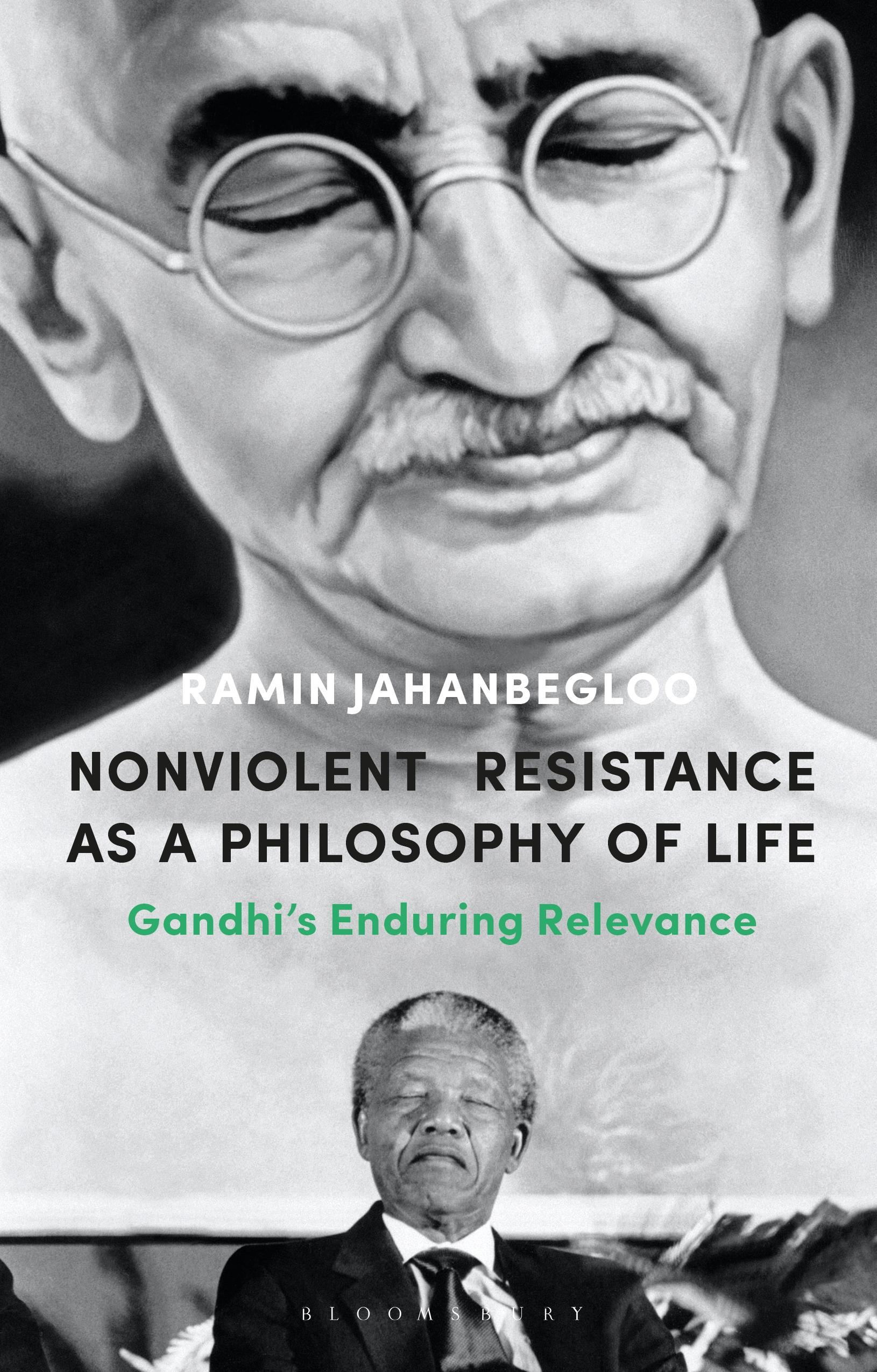
What do we mean by nonviolence? What can nonviolence achieve? Are there limits to nonviolence and, if so, what are they? These are the questions the Iranian political philosopher and activist Ramin Jahanbegloo tackles in his journey through the major political advocates of nonviolence during the 20th century.
While nonviolent resistance has accompanied human culture from its earliest beginnings, and representations of nonviolence in Eastern religions like Jainism, Buddhism and Hinduism are ubiquitous, it is only in 20th century that it emerged as a major preoccupation of figures such as Gandhi, Martin Luther King Jr., Nelson Mandela, Mother Teresa and Václav Havel. Focusing on examples of their way of thinking in different cultural, geographic and political contexts, from the Indian Independence Movement and US Civil rights and Anti-Apartheid movement to the Velvet Revolution in Czechoslovakia and nonviolent protests in Tunisia, Iran, Serbia and Hong-Kong, Jahanbegloo explores why nonviolence remains relevant as a form of resistance against injustice and oppression around the world.
With balanced readings of central players and events, this comparative study of a pivotal form of resistance written by accomplished scholar of Gandhi presents convincing reasons to commit to nonviolence, reminding us why it matters to the development of contemporary political thought.
While nonviolent resistance has accompanied human culture from its earliest beginnings, and representations of nonviolence in Eastern religions like Jainism, Buddhism and Hinduism are ubiquitous, it is only in 20th century that it emerged as a major preoccupation of figures such as Gandhi, Martin Luther King Jr., Nelson Mandela, Mother Teresa and Václav Havel. Focusing on examples of their way of thinking in different cultural, geographic and political contexts, from the Indian Independence Movement and US Civil rights and Anti-Apartheid movement to the Velvet Revolution in Czechoslovakia and nonviolent protests in Tunisia, Iran, Serbia and Hong-Kong, Jahanbegloo explores why nonviolence remains relevant as a form of resistance against injustice and oppression around the world.
With balanced readings of central players and events, this comparative study of a pivotal form of resistance written by accomplished scholar of Gandhi presents convincing reasons to commit to nonviolence, reminding us why it matters to the development of contemporary political thought.
Pay easily by card, Klarna, Apple Pay or Google Pay. Not happy? You always have a 14-day money-back guarantee. Read more in our terms. If you have any questions, email us at hello@memmo.org.
Memmo makes studying easier – wherever you are in the world. We bring your course books and smart study tools together in one place: summaries, quizzes, podcasts and flashcards. Plus Ted, your study buddy who answers anything you wonder. Over 50,000 students already study here – built to help you learn faster and stress less.