
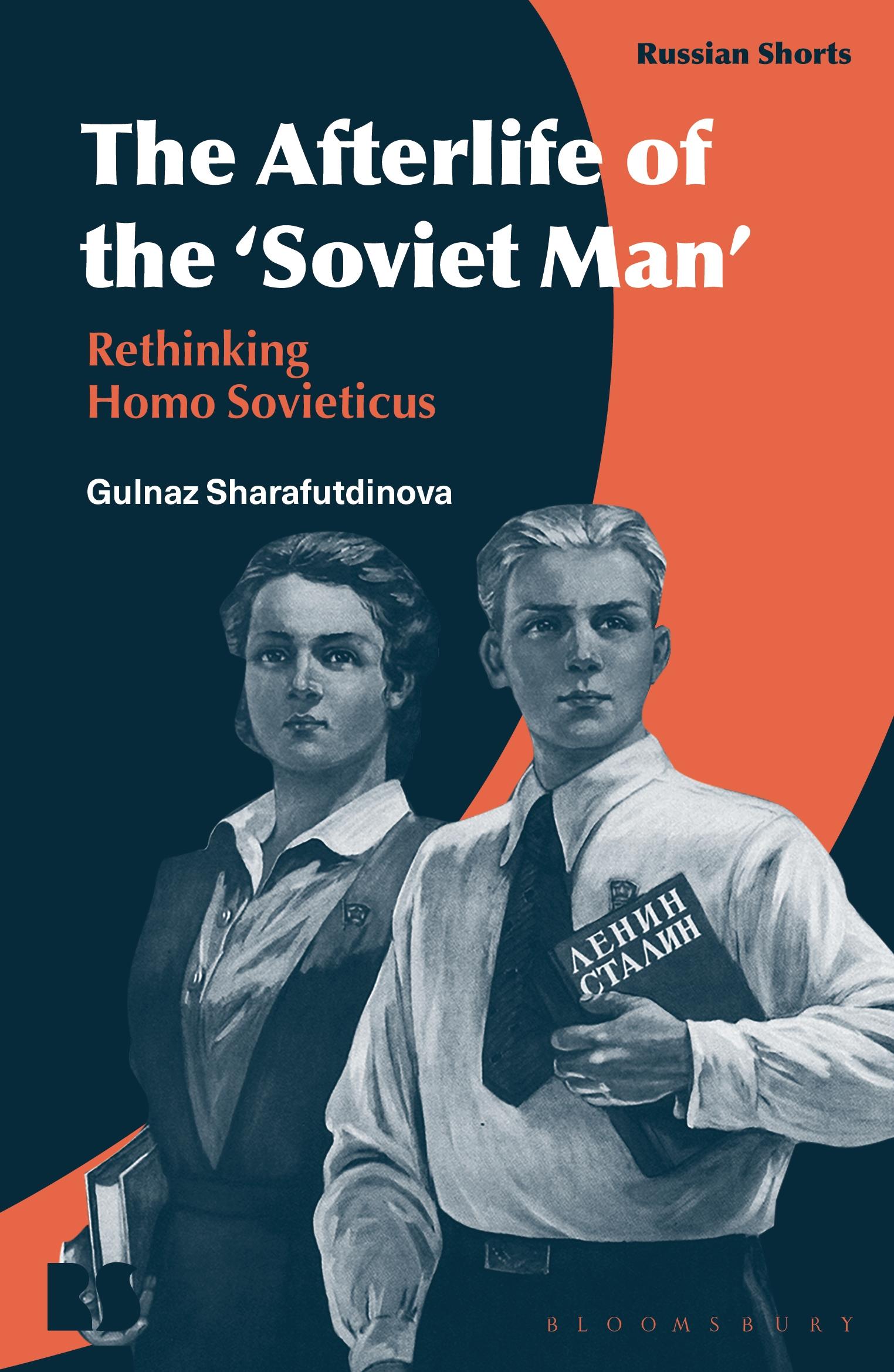
Almost three decades after the collapse of the Soviet Union, today more often than ever, global media and intellectuals rely on the concept of homo sovieticus to explain Russia's authoritarian ills. Homo sovieticus - or the Soviet man - is understood to be a double-thinking, suspicious and fearful conformist with no morality, an innate obedience to authority and no public demands; they have been forged in the fires of the totalitarian conditions in which they find themselves.
But where did this concept come from? What analytical and ideological pillars does it stand on? What is at stake in using this term today? The Afterlife of the 'Soviet Man' addresses all these questions and even explains why – at least in its contemporary usage – this concept should be abandoned altogether.
But where did this concept come from? What analytical and ideological pillars does it stand on? What is at stake in using this term today? The Afterlife of the 'Soviet Man' addresses all these questions and even explains why – at least in its contemporary usage – this concept should be abandoned altogether.
Pay easily by card, Klarna, Apple Pay or Google Pay. Not happy? You always have a 14-day money-back guarantee. Read more in our terms. If you have any questions, email us at hello@memmo.org.
Memmo makes studying easier – wherever you are in the world. We bring your course books and smart study tools together in one place: summaries, quizzes, podcasts and flashcards. Plus Ted, your study buddy who answers anything you wonder. Over 50,000 students already study here – built to help you learn faster and stress less.