
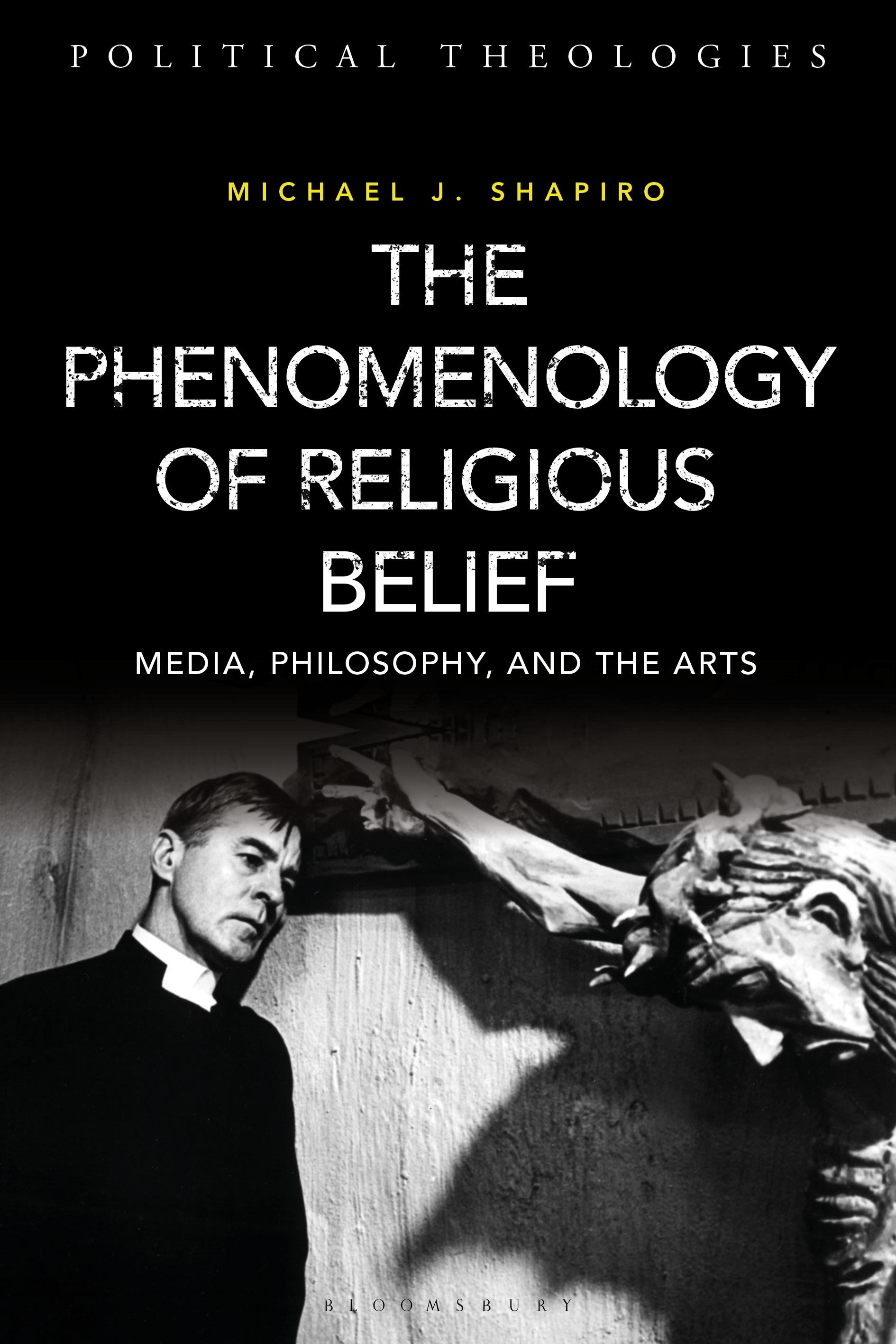
In The Phenomenology of Religious Belief, the renowned philosopher Michael J. Shapiro investigates how art – and in particular literature and film – can impact upon both traditional interpretations and critical studies of religious beliefs and experiences.
In doing so, he examines the work of prolific and award-winning writers such as Toni Morrison, Philip K. Dick and Robert Coover. By placing their work in conjunction with critical analyses of media by the likes of Ingmar Bergman and Pier Paolo Pasolini and combining it with the work of groundbreaking thinkers such as George Canguilhem, Giorgio Agamben and Slavoj Žižek, Shapiro takes a truly interdisciplinary approach to the question of how life should be lived. His assessment of phenomenological subjectivity also leads him to question the nature of political theology and extend the criticism of Pauline theology.
In doing so, he examines the work of prolific and award-winning writers such as Toni Morrison, Philip K. Dick and Robert Coover. By placing their work in conjunction with critical analyses of media by the likes of Ingmar Bergman and Pier Paolo Pasolini and combining it with the work of groundbreaking thinkers such as George Canguilhem, Giorgio Agamben and Slavoj Žižek, Shapiro takes a truly interdisciplinary approach to the question of how life should be lived. His assessment of phenomenological subjectivity also leads him to question the nature of political theology and extend the criticism of Pauline theology.
Pay easily by card, Klarna, Apple Pay or Google Pay. Not happy? You always have a 14-day money-back guarantee. Read more in our terms. If you have any questions, email us at hello@memmo.org.
Memmo makes studying easier – wherever you are in the world. We bring your course books and smart study tools together in one place: summaries, quizzes, podcasts and flashcards. Plus Ted, your study buddy who answers anything you wonder. Over 50,000 students already study here – built to help you learn faster and stress less.