
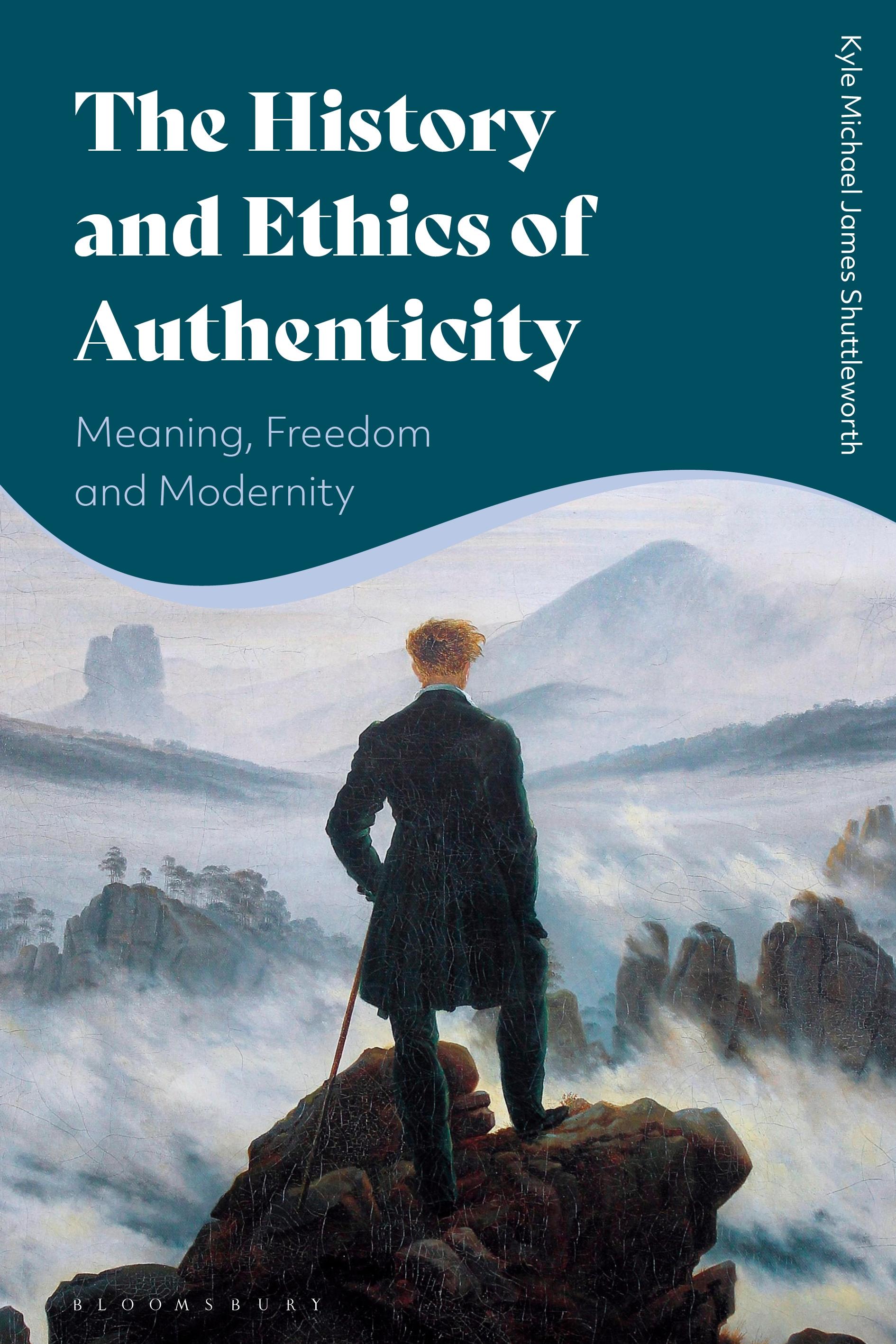
Addressing the post-enlightenment problems of meaning and freedom, Kyle Michael James Shuttleworth traces the historical development of the ethics of authenticity in a lucid and vigorous study. The emergence of authenticity as an ethical ideal is probed in relation to the rise of social freedom and individualism which opens up conversations and disagreements with the German Idealists, and later, Habermas, Foucault, and MacIntyre. Taking heed of these intellectual predecessors and proponents of ethical authenticity leads to an original conception of a socio-existential account of ethical authenticity, made possible by the work of both Taylor and Sartre.
Moving beyond virtue ethics, discourse ethics and Foucauldian notions of self-care, The History and Ethics of Authenticity constructs a practical ethics of authenticity that is both embedded in and able to transcend the current moment. Making use of contemporary reference points, including the rise of social media, capitalist branding, and competing appeals to identity, authenticity becomes an achievable ethical ideal.
Moving beyond virtue ethics, discourse ethics and Foucauldian notions of self-care, The History and Ethics of Authenticity constructs a practical ethics of authenticity that is both embedded in and able to transcend the current moment. Making use of contemporary reference points, including the rise of social media, capitalist branding, and competing appeals to identity, authenticity becomes an achievable ethical ideal.
Pay easily by card, Klarna, Apple Pay or Google Pay. Not happy? You always have a 14-day money-back guarantee. Read more in our terms. If you have any questions, email us at hello@memmo.org.
Memmo makes studying easier – wherever you are in the world. We bring your course books and smart study tools together in one place: summaries, quizzes, podcasts and flashcards. Plus Ted, your study buddy who answers anything you wonder. Over 50,000 students already study here – built to help you learn faster and stress less.