
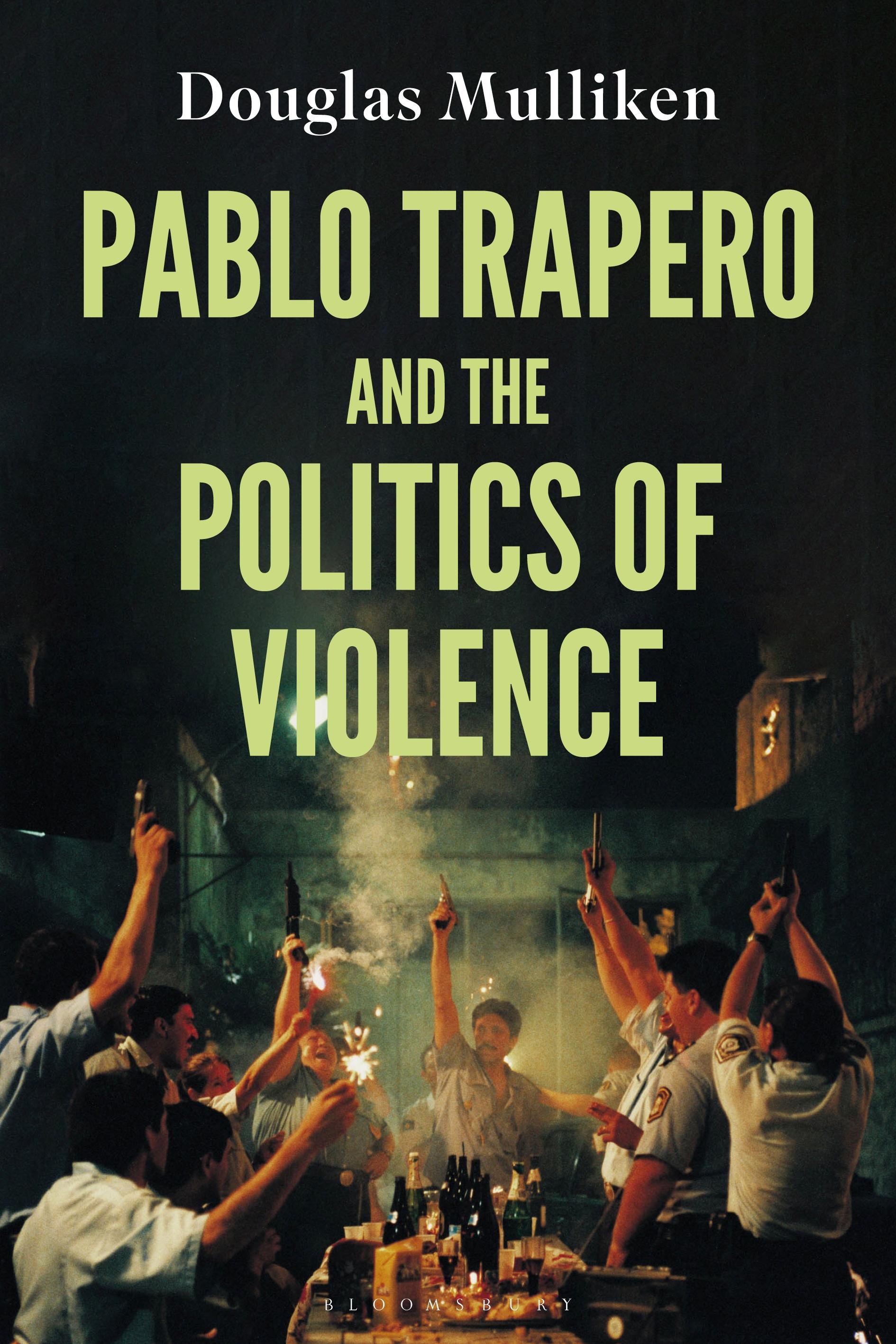
This innovative study finds that, through his unique representation of violence, Argentine director Pablo Trapero has established himself as one of the 21st century's distinctly political filmmakers. By examining the broad concept of violence and how it is represented on-screen, Douglas Mulliken identifies and analyzes the ways in which Trapero utilizes violence, particularly Žižek's concept of objective violence, as a means through which to mediate the political
Through a focus on several previously under-studied elements of Trapero's films, Mulliken highlights the ways in which the director's work represents present-day concerns about social inequalities and injustice in neoliberal Argentina on-screen. Finally, he examines how Trapero combines aspects of Argentina's long tradition of political film with elements of Nuevo Cine Argentino to create a unique political voice.
Through a focus on several previously under-studied elements of Trapero's films, Mulliken highlights the ways in which the director's work represents present-day concerns about social inequalities and injustice in neoliberal Argentina on-screen. Finally, he examines how Trapero combines aspects of Argentina's long tradition of political film with elements of Nuevo Cine Argentino to create a unique political voice.
Pages: 264
Category: Film- & Medievetenskap
e-ISBN: 9781350163409
Shipping weight: 1.2 kg
Ships in: 1-2 days
Pay easily by card, Klarna, Apple Pay or Google Pay. Not happy? You always have a 14-day money-back guarantee. Read more in our terms. If you have any questions, email us at hello@memmo.org.
Memmo makes studying easier – wherever you are in the world. We bring your course books and smart study tools together in one place: summaries, quizzes, podcasts and flashcards. Plus Ted, your study buddy who answers anything you wonder. Over 50,000 students already study here – built to help you learn faster and stress less.