
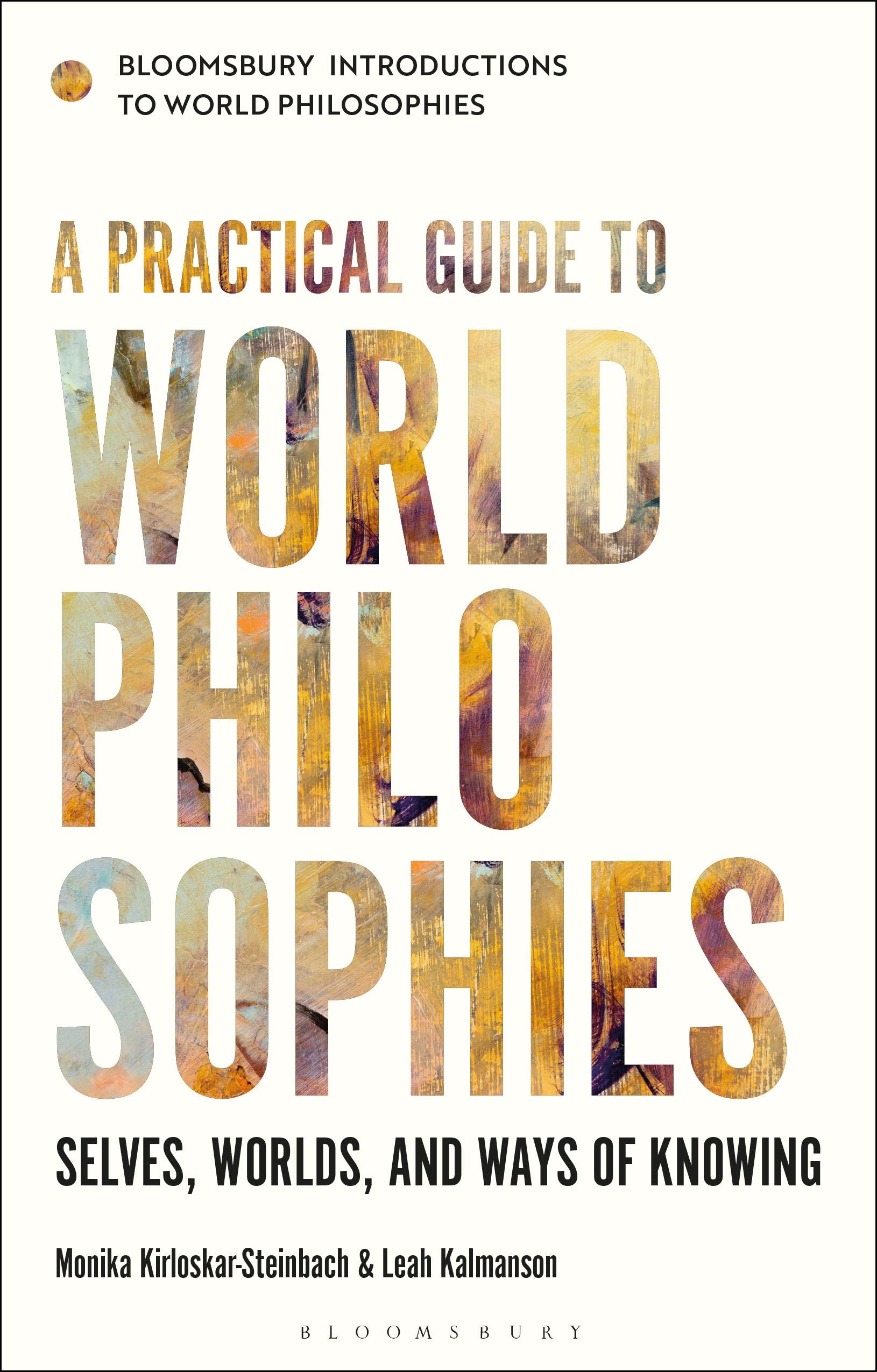
Traditions throughout the world and across history have tackled fundamental questions about the human condition. This one-of-a-kind guide shows how these different philosophies can be effectively studied together.
Monika Kirloskar-Steinbach's and Leah Kalmanson's introduction marks a break from conventional approaches. Instead of assuming philosophy has always operated with a single, easily identifiable conceptual framework across space and time, which we call-and have always called-philosophy, they attest to the plurality of concepts and methods adopted at different times and places.
The book serves as a practical teaching guide to the theoretical and methodological diversification of philosophy as practiced in academia today. Complementing the Bloomsbury Introductions to World Philosophies series, it covers a variety of traditions featured in the book series, exploring how Anglo-American, Chinese, Indian, African, Islamicate, and Maori thinkers have all addressed fundamental questions such as:
· How do we understand ourselves and our relations to others?
· How do we understand our world?
· How do we seek knowledge, share knowledge, and, importantly, intervene in the norms of received knowledge when needed?
Featuring teaching notes, discussion questions, and a list of further reading, this is a book packed with the background, guidance, and tools required to teach different philosophies. Through it we come to see why making room for different conceptual frameworks improves our understanding of ourselves and the worlds we live in.
Monika Kirloskar-Steinbach's and Leah Kalmanson's introduction marks a break from conventional approaches. Instead of assuming philosophy has always operated with a single, easily identifiable conceptual framework across space and time, which we call-and have always called-philosophy, they attest to the plurality of concepts and methods adopted at different times and places.
The book serves as a practical teaching guide to the theoretical and methodological diversification of philosophy as practiced in academia today. Complementing the Bloomsbury Introductions to World Philosophies series, it covers a variety of traditions featured in the book series, exploring how Anglo-American, Chinese, Indian, African, Islamicate, and Maori thinkers have all addressed fundamental questions such as:
· How do we understand ourselves and our relations to others?
· How do we understand our world?
· How do we seek knowledge, share knowledge, and, importantly, intervene in the norms of received knowledge when needed?
Featuring teaching notes, discussion questions, and a list of further reading, this is a book packed with the background, guidance, and tools required to teach different philosophies. Through it we come to see why making room for different conceptual frameworks improves our understanding of ourselves and the worlds we live in.
Pay easily by card, Klarna, Apple Pay or Google Pay. Not happy? You always have a 14-day money-back guarantee. Read more in our terms. If you have any questions, email us at hello@memmo.org.
Memmo makes studying easier – wherever you are in the world. We bring your course books and smart study tools together in one place: summaries, quizzes, podcasts and flashcards. Plus Ted, your study buddy who answers anything you wonder. Over 50,000 students already study here – built to help you learn faster and stress less.