
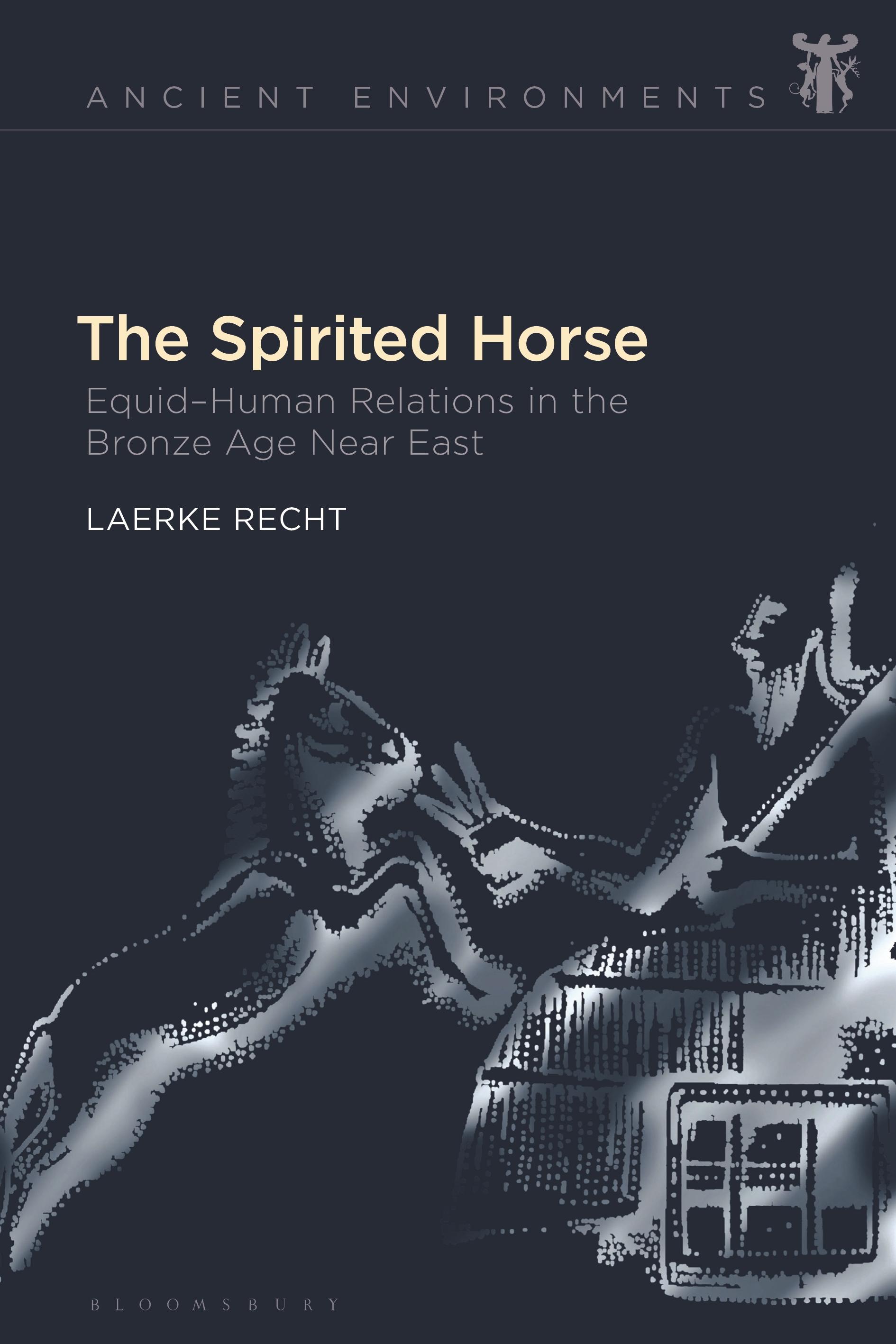
Presenting a new perspective on human–animal relations in the ancient Near East, this volume considers how we should understand equids (horses, donkeys, onagers and various hybrids) as animals that are social actors. Recht brings together a wealth of new data, including Bronze Age Near Eastern material culture from a range of archaeological contexts with equid remains as well as iconography and texts. She looks in particular at finds of equids themselves from burials, sacred space and settlements alongside associated artefacts such as chariots and harnesses.
This is the first time the agency of animals is recognized. The study is essential reading for prehistorians, archaeologists and those studying early animal domestication, showcasing how humans encounter and interact with other animals, and how those animals in turn interact with humans. Recht outlines the broader implications for human involvement with their environment, both today and in the past, and points to further study in a number of focused appendices.
This is the first time the agency of animals is recognized. The study is essential reading for prehistorians, archaeologists and those studying early animal domestication, showcasing how humans encounter and interact with other animals, and how those animals in turn interact with humans. Recht outlines the broader implications for human involvement with their environment, both today and in the past, and points to further study in a number of focused appendices.
Pay easily by card, Klarna, Apple Pay or Google Pay. Not happy? You always have a 14-day money-back guarantee. Read more in our terms. If you have any questions, email us at hello@memmo.org.
Memmo makes studying easier – wherever you are in the world. We bring your course books and smart study tools together in one place: summaries, quizzes, podcasts and flashcards. Plus Ted, your study buddy who answers anything you wonder. Over 75,000 students already study here – built to help you learn faster and stress less.