
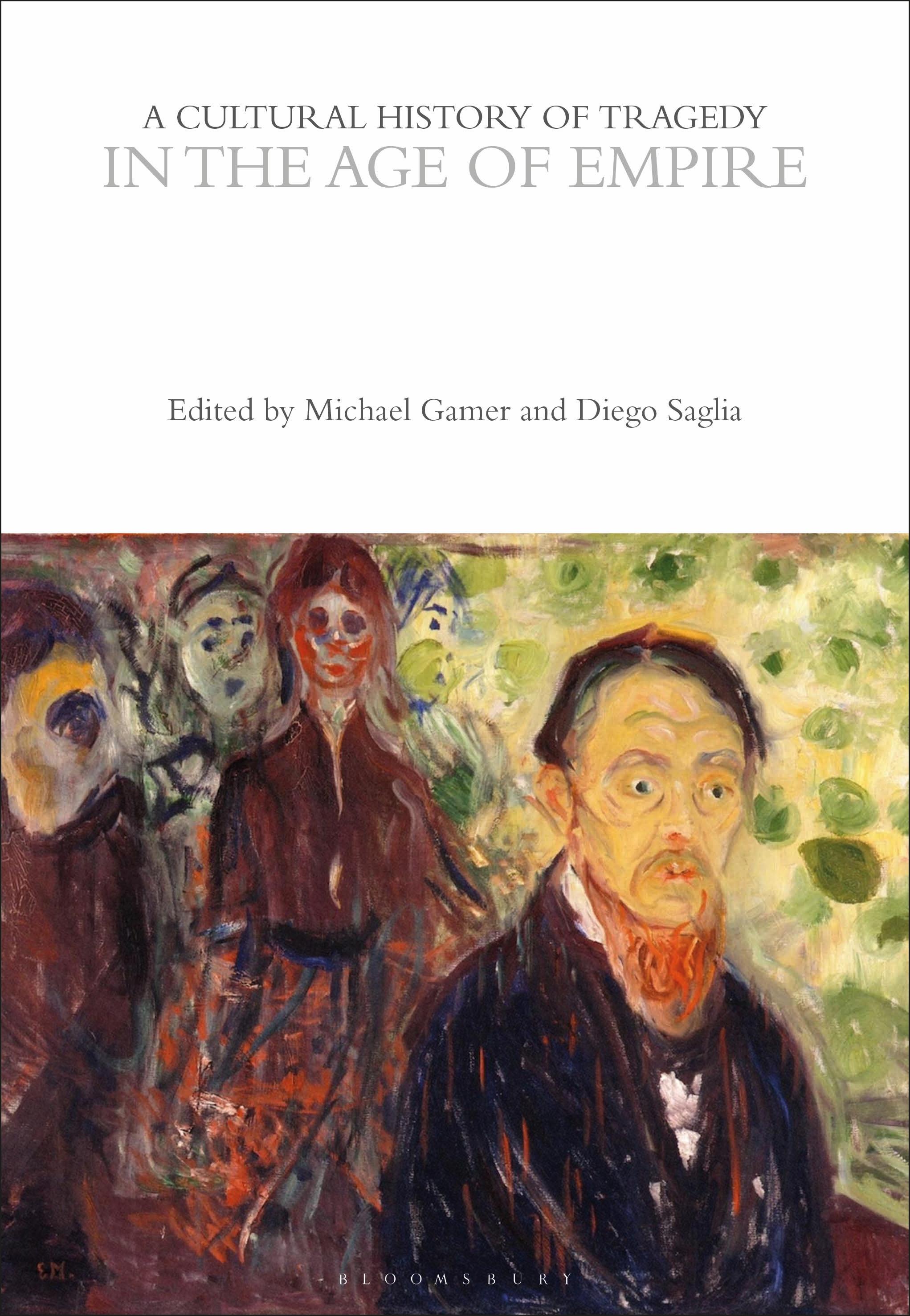
This volume traces a path across the metamorphoses of tragedy and the tragic in Western cultures during the bourgeois age of nations, revolutions, and empires, roughly delimited by the French Revolution and the First World War. Its starting point is the recognition that tragedy did not die with Romanticism, as George Steiner famously argued over half a century ago, but rather mutated and dispersed, converging into a variety of unstable, productive forms both on the stage and off. In turn, the tragic as a concept and mode transformed itself under the pressure of multiple social, historical and political-ideological phenomena. This volume therefore deploys a narrative centred on hybridization extending across media, genres, demographics, faiths both religious and secular, and national boundaries. The essays also tell a story of how tragedy and the tragic offered multiple means of capturing the increasingly fragmented perception of reality and history that emerged in the 19th century.
Each chapter takes a different theme as its focus: forms and media; sites of performance and circulation; communities of production and consumption; philosophy and social theory; religion, ritual and myth; politics of city and nation; society and family, and gender and sexuality.
Each chapter takes a different theme as its focus: forms and media; sites of performance and circulation; communities of production and consumption; philosophy and social theory; religion, ritual and myth; politics of city and nation; society and family, and gender and sexuality.
Pay easily by card, Klarna, Apple Pay or Google Pay. Not happy? You always have a 14-day money-back guarantee. Read more in our terms. If you have any questions, email us at hello@memmo.org.
Memmo makes studying easier – wherever you are in the world. We bring your course books and smart study tools together in one place: summaries, quizzes, podcasts and flashcards. Plus Ted, your study buddy who answers anything you wonder. Over 75,000 students already study here – built to help you learn faster and stress less.