
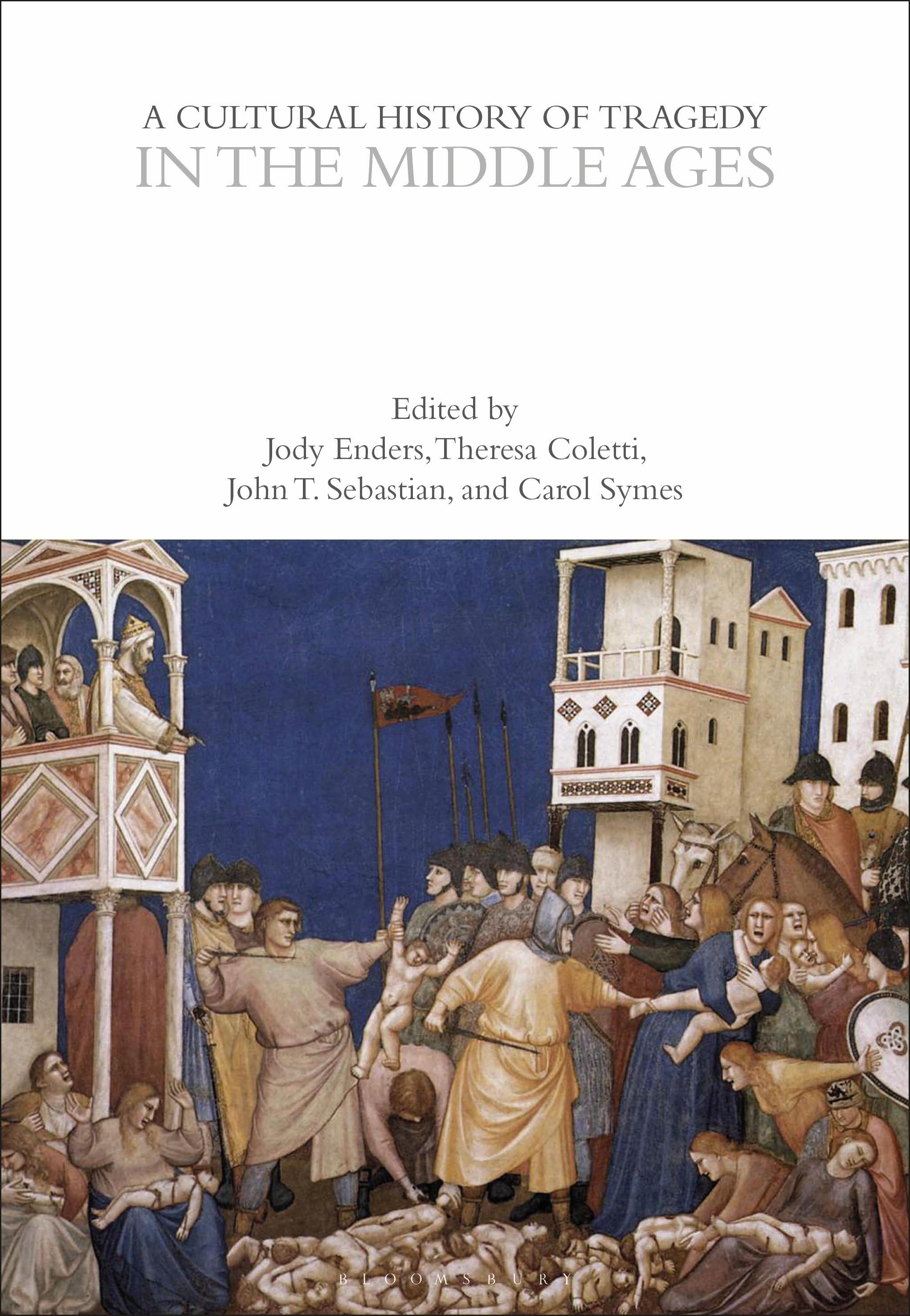
For the first time, a group of distinguished authors come together to provide an authoritative exploration of the cultural history of tragedy in the Middle Ages. Reports of the so-called death of medieval tragedy, they argue, have been greatly exaggerated; and, for the Middle Ages, the stakes couldn't be higher. Eight essays offer a blueprint for future study as they take up the extensive but much-neglected medieval engagement with tragic genres, modes, and performances from the vantage points of gender, politics, theology, history, social theory, anthropology, philosophy, economics, and media studies. The result? A recuperated medieval tragedy that is as much a branch of literature as it is of theology, politics, law, or ethics and which, at long last, rejoins the millennium-long conversation about one of the world's most enduring art forms.
Each chapter takes a different theme as its focus: forms and media; sites of performance and circulation; communities of production and consumption; philosophy and social theory; religion, ritual and myth; politics of city and nation; society and family, and gender and sexuality.
Each chapter takes a different theme as its focus: forms and media; sites of performance and circulation; communities of production and consumption; philosophy and social theory; religion, ritual and myth; politics of city and nation; society and family, and gender and sexuality.
Pay easily by card, Klarna, Apple Pay or Google Pay. Not happy? You always have a 14-day money-back guarantee. Read more in our terms. If you have any questions, email us at hello@memmo.org.
Memmo makes studying easier – wherever you are in the world. We bring your course books and smart study tools together in one place: summaries, quizzes, podcasts and flashcards. Plus Ted, your study buddy who answers anything you wonder. Over 75,000 students already study here – built to help you learn faster and stress less.