
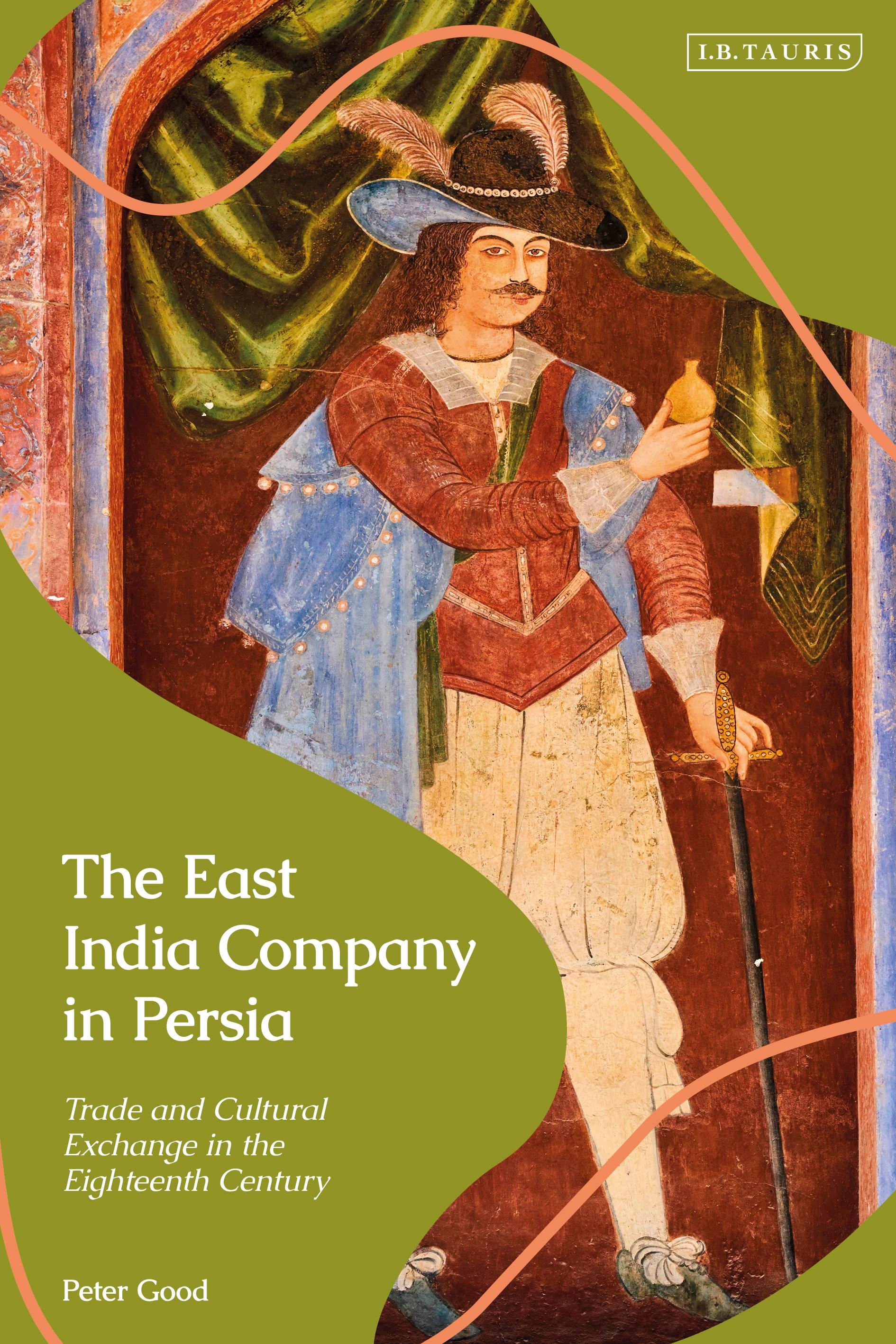
In 1747, the city of Kerman in Persia burned amidst chaos, destruction and death perpetrated by the city's own overlord, Nader Shah. After the violent overthrow of the Safavid dynasty in 1722 and subsequent foreign invasions from all sides, Persia had been in constant turmoil. One well-appointed house that belonged to the East India Company had been saved from destruction by the ingenuity of a Company servant, Danvers Graves, and his knowledge of the Company's privileges in Persia. This book explores the lived experience of the Company and its trade in Persia and how it interacted with power structures and the local environment in a time of great upheaval in Persian history. Using East India Company records and other sources, it charts the role of the Navy and commercial fleet in the Gulf, trade agreements, and the experience of Company staff, British and non-British living in and navigating conditions in 18th-century Persia. By examining the social, commercial and diplomatic history of this relationship, this book creates a new paradigm for the study of Early Modern interactions in the Indian Ocean.
Pay easily by card, Klarna, Apple Pay or Google Pay. Not happy? You always have a 14-day money-back guarantee. Read more in our terms. If you have any questions, email us at hello@memmo.org.
Memmo makes studying easier – wherever you are in the world. We bring your course books and smart study tools together in one place: summaries, quizzes, podcasts and flashcards. Plus Ted, your study buddy who answers anything you wonder. Over 50,000 students already study here – built to help you learn faster and stress less.