
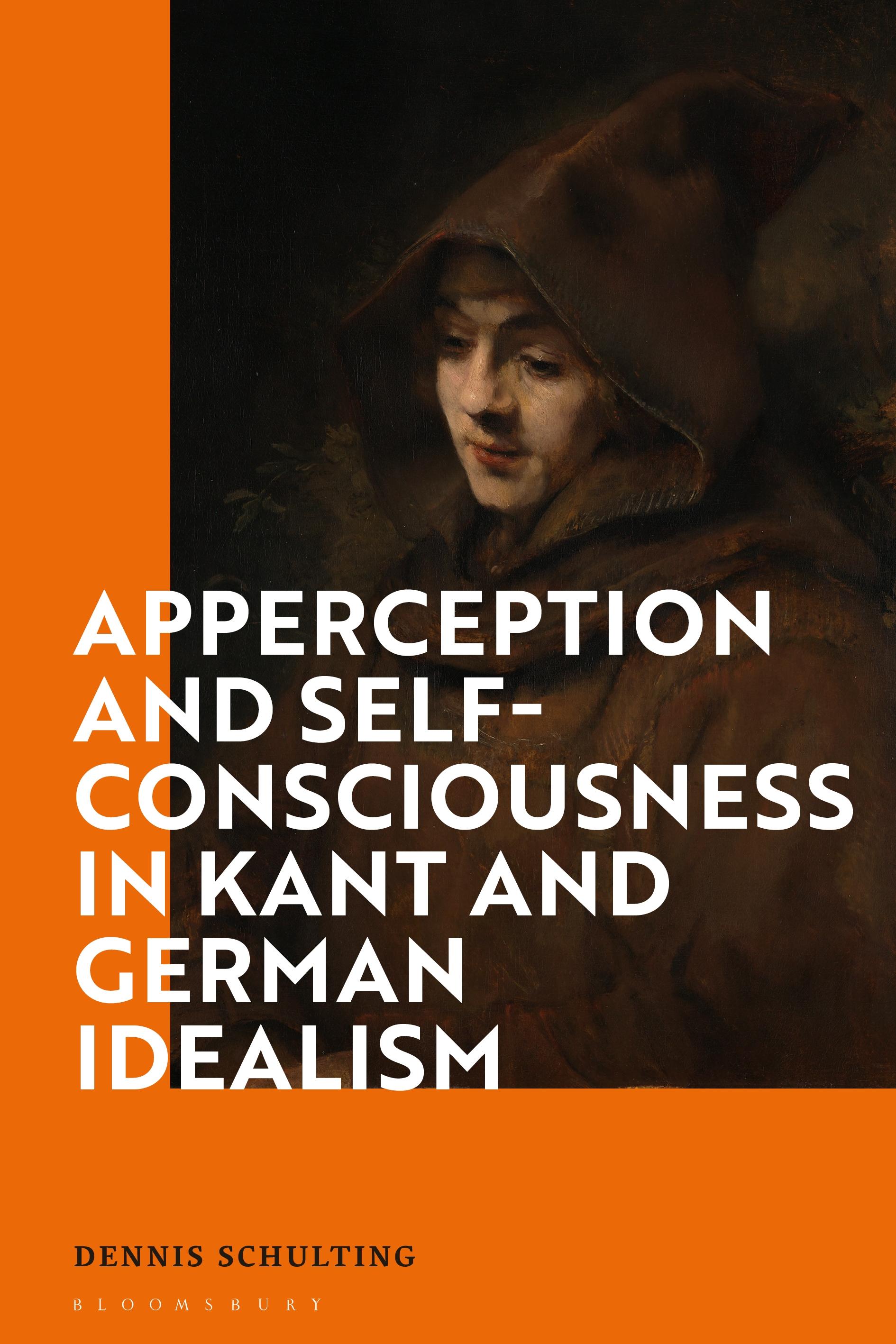
In Apperception and Self-Consciousness in Kant and German Idealism, Dennis Schulting examines the themes of reflexivity, self-consciousness, representation and apperception in the philosophy of Immanuel Kant and German Idealism more widely. Central to Schulting's argument is the claim that all human experience is inherently self-referential and that this is part of a self-reflexivity of thought, or what is called transcendental apperception, a Kantian insight that was first apparent in the work of Christian Wolff and came to inform all of German Idealism.
In this rigorous text, Schulting establishes the historical roots of Kant's thought and traces it through to his immediate successors, Karl Leonhard Reinhold, Johann Gottlieb Fichte and Georg Wilhelm Friedrich Hegel. He specifically examines the cognitive role of selfconsciousness and its relation to idealism and situates it in a clear and coherent history of rationalist philosophy.
In this rigorous text, Schulting establishes the historical roots of Kant's thought and traces it through to his immediate successors, Karl Leonhard Reinhold, Johann Gottlieb Fichte and Georg Wilhelm Friedrich Hegel. He specifically examines the cognitive role of selfconsciousness and its relation to idealism and situates it in a clear and coherent history of rationalist philosophy.
Pay easily by card, Klarna, Apple Pay or Google Pay. Not happy? You always have a 14-day money-back guarantee. Read more in our terms. If you have any questions, email us at hello@memmo.org.
Memmo makes studying easier – wherever you are in the world. We bring your course books and smart study tools together in one place: summaries, quizzes, podcasts and flashcards. Plus Ted, your study buddy who answers anything you wonder. Over 50,000 students already study here – built to help you learn faster and stress less.