
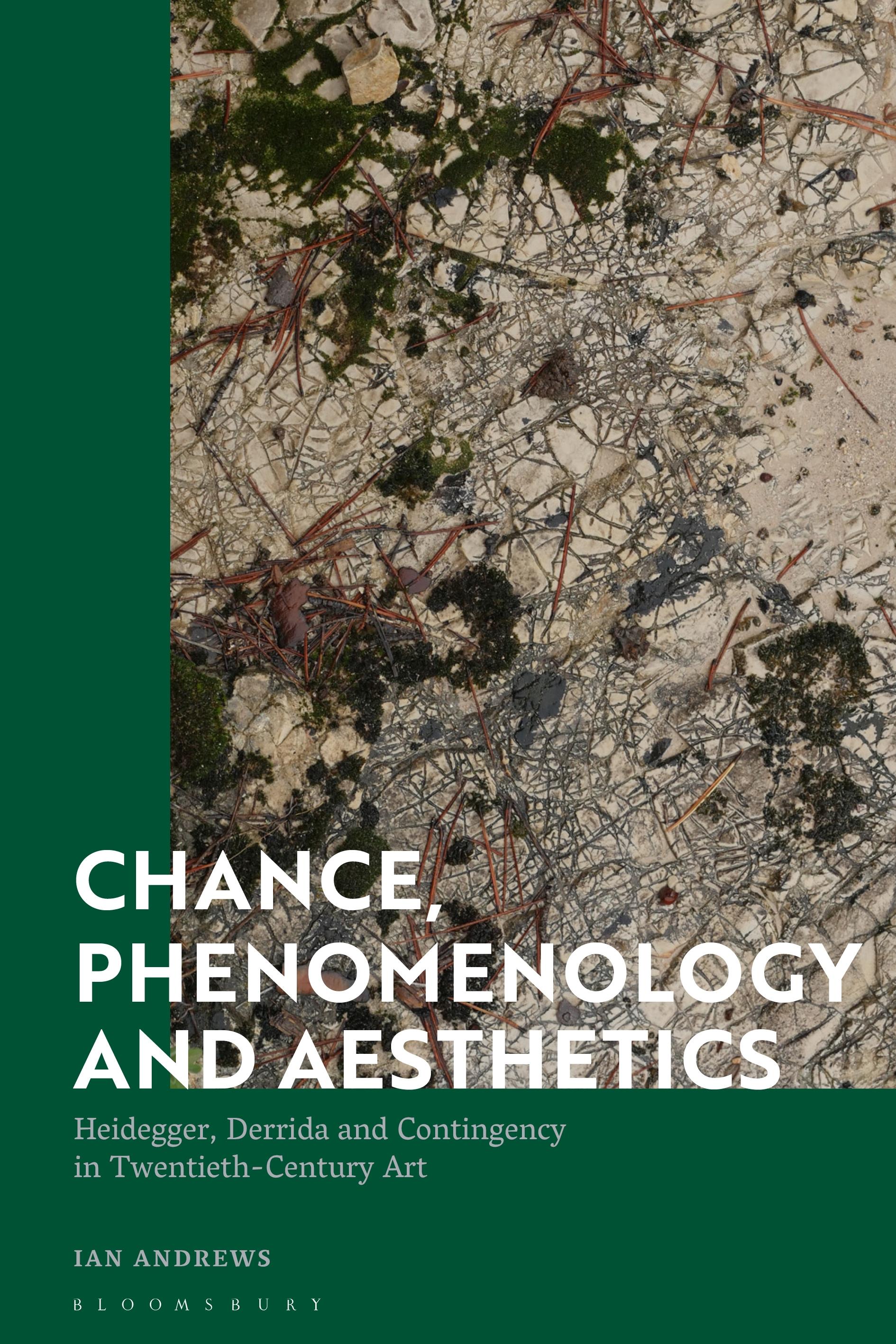
In drawing upon the work of Jacques Derrida, Edmund Husserl and Martin Heidegger and aligning it with a new trend in interdisciplinary phenomenology, Ian Andrews provides a unique look at the role of chance in art and its philosophical implications. His account of how the composer John Cage and other avant-garde creatives such as Marcel Duchamp, Tristan Tzara, Sol LeWitt and Ed Ruscha used chance in their work to question the structures of experience and prompt a new engagement with these phenomena makes a truly important contribution to Continental philosophy.
Chance, Phenomenology and Aesthetics will appeal to scholars and advanced students in the disciplines of phenomenology, deconstruction and hermeneutics, as well as being compelling reading for anyone interested in pursuing sound studies, art theory and art history through an interdisciplinary post-phenomenological lens.
Chance, Phenomenology and Aesthetics will appeal to scholars and advanced students in the disciplines of phenomenology, deconstruction and hermeneutics, as well as being compelling reading for anyone interested in pursuing sound studies, art theory and art history through an interdisciplinary post-phenomenological lens.
Pay easily by card, Klarna, Apple Pay or Google Pay. Not happy? You always have a 14-day money-back guarantee. Read more in our terms. If you have any questions, email us at hello@memmo.org.
Memmo makes studying easier – wherever you are in the world. We bring your course books and smart study tools together in one place: summaries, quizzes, podcasts and flashcards. Plus Ted, your study buddy who answers anything you wonder. Over 50,000 students already study here – built to help you learn faster and stress less.